
Description
Product Overview
Tapioca Starch is a high-grade, industrial tapioca-derived starch manufactured for bulk B2B applications. It serves as a versatile functional powder used primarily as a thickener, binder, filler, and film-former across food, paper, textile, adhesive, and pharmaceutical supply chains. The product delivers consistent rheological performance, reliable viscosity control, and cost-efficient replacement for synthetic polymers and specialty thickeners. Strategically, tapioca starch provides buyers with a scalable, bio-based raw material that reduces formulation cost, simplifies regulatory compliance, and strengthens supply-chain resilience.
Key Specifications & Technical Characteristics
-
Chemical composition: Predominantly amylose and amylopectin (cassava/tapioca root starch); minimal naturally occurring proteins and fibers.
-
Purity / grade: Industrial food-grade / pharma-adjacent technical grade (specify certificate on request).
-
Moisture content: Typical range 10–14% (batch-tested).
-
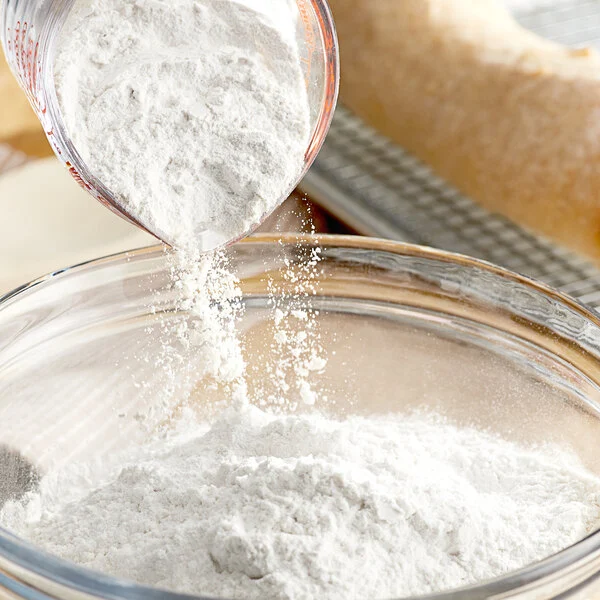
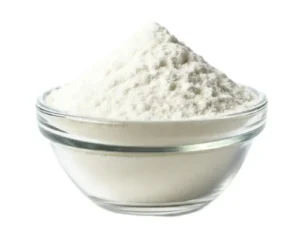
Particle form and appearance: Fine free-flowing white powder.
-
Median particle size: 20–150 µm (typical; particle-size distribution available by request).
-
Bulk density: ~0.5–0.7 g/cm³ (tap density depends on packaging).
-
Viscosity profile: Predictable cold- and hot-water swelling; gelatinization onset typically 60–75°C depending on formulation.
-
Solubility: Dispersible in cold water with heating to activate full thickening; retrogradation behavior depends on amylose content.
-
Ash content: Low (spec sheet available).
-
Microbiological standards: Meets industrial microbiological specifications; certificates provided on request.
-
Packaging options: 25 kg kraft bags with PE liner, 500 kg FIBCs (big bags), and 20 MT bulk palletized/container loads.
-
Shelf life and storage: 12–24 months when stored dry, <60% relative humidity, away from direct sunlight and contaminants.
-
Documentation: Full Certificates of Analysis (CoA), Safety Data Sheet (SDS), and origin documentation available upon order.
Core Industrial Applications
-
Food & Beverage: Used as thickener, stabilizer, and texturizer in sauces, soups, snacks, bakery, and confectionery. Delivers clean label, neutral taste, and cost-effective viscosity control versus modified starches and hydrocolloids.
-
Paper & Packaging: Functions as binder and surface sizing agent to improve sheet formation, printability, and tensile strength while reducing synthetic polymer usage.
-
Textile & Nonwovens: Used as warp-sizing and finishing agent to improve fabric handling and reduce thread breakage in weaving operations.
-
Adhesives & Constructions: Base for starch adhesives in wood panel production, corrugated board, and wallpaper pastes; offers consistent bonding and lower VOC profiles.
-
Pharmaceuticals & Nutraceuticals: Excipient for tablet binders and disintegrants (subject to grade/certification); supports regulatory-friendly formulation choices.
Why it outperforms alternatives: -
Cost-efficiency: Lower raw-material cost per functional unit than many synthetic thickeners.
-
Performance predictability: Stable viscosity and gelation properties across batches.
-
Formulation simplicity: Neutral flavor and color; easy integration into existing process lines.
-
Regulatory and consumer appeal: Bio-based, readily labeled as “tapioca starch” enabling clean-label positioning.
Competitive Advantages
-
Quality consistency: Tight batch-control with CoA for key parameters (moisture, particle size, viscosity).
-
Supply reliability: Established cassava sourcing channels with scalable production capacity to support high-volume industrial contracts.
-
Logistics capability: Bulk packing and container optimization for 20 MT full-container loads; export-ready documentation and palletization services.
-
Price competitiveness: Economies of scale across packaging tiers; bulk pricing for long-term contracts.
-
Sustainability: Renewable, plant-based feedstock with lower embodied fossil carbon compared with petrochemical thickeners; byproduct and waste-management practices available on request.
-
Technical support: Application guidance, trial-sample programs, and formulation assistance available from technical team; full SDS and CoA provided pre-shipment.
Commercial & Supply Information
-
Minimum order quantity (MOQ): BULK 20 MT.
-
Typical loading capacity: 20 MT per 20-foot container (palletized FIBCs/bags), up to ~25 MT for optimized bulk loading depending on packing configuration and logistics constraints.
-
Lead time and delivery: Lead times depend on order size, current inventory, and destination; contact for firm ETD/ETA and logistics plan.
-
Payment & terms: Negotiable for long-term contracts; standard commercial terms offered for first-time buyers.

Reviews
There are no reviews yet.