
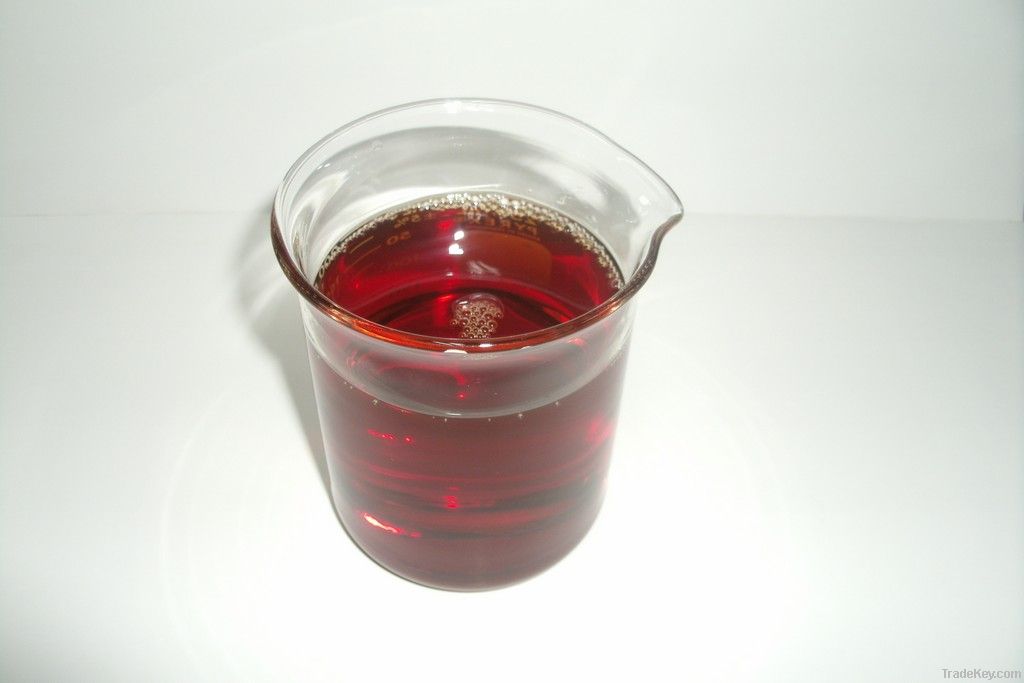
Description
-
Product Overview
Xylose Syrup is a concentrated liquid carbohydrate derived from hardwood hemicellulose hydrolysis, supplied as a stable, water-soluble syrup for industrial use. It is primarily used as a feedstock and process ingredient across chemical synthesis, fermentation processes, specialty food ingredient manufacturing, and resin/adhesive formulations. The key value proposition is its consistent monosaccharide-rich profile that enhances microbial fermentation yields, improves formulation stability, and substitutes higher-cost sugars while maintaining performance. Strategically, Xylose Syrup enables cost-efficient raw-material diversification for manufacturers seeking predictable supply, process yield improvements, and lower lifecycle cost versus alternative sugar feeds. -
Key Specifications & Technical Characteristics
-
Chemical composition: Predominantly D-xylose (monosaccharide) derived from hemicellulosic hydrolysate, with minor amounts of other pentoses (arabinose), hexoses (glucose), and oligosaccharides.
-
Purity/grade: Industrial/technical grade; typical D-xylose content ≥ 40–60% (specifiable to customer requirements).
-
Dry matter solids: Typically 60–80% w/w (syrup concentration); adjustable by agreement.
-
Water content: Complementary to dry matter solids (typical moisture 20–40% w/w).
-
Color and appearance: Amber to light-brown, clear to slightly viscous syrup.
-
Viscosity: Syrupy, temperature-dependent; provided with viscosity profile at 20–40°C on request.
-
pH: Typical neutral to mildly acidic (range ~4.0–6.5), customer-specified buffering available.
-
Density: Approximately 1.2–1.4 g/cm³ (dependent on solids content).
-
Solubility: Fully miscible in water; stable in common process conditions used for fermentation and formulation.
-
Impurities: Low ash and low sulfur content; heavy metals within industrial limits and certified on request.
-
Packaging options: ISO tankers (cleaned food/chemical grade), 20 MT bulk per container (IBC/tanker), 200–1000 kg lined drums, 25 kg polybags on pallet (for smaller orders).
-
Shelf life/storage: Stable for 12 months under recommended storage (dry, cool, sealed containers); avoid prolonged exposure >40°C.
-
Documentation: Certificate of Analysis (CoA), Safety Data Sheet (SDS), and product specification sheet provided with each shipment.
-
Core Industrial Applications
-
Fermentation feedstock (bio-based chemicals & fuels): Used as a carbon source for xylose-fermenting strains (e.g., engineered yeasts, bacteria), improving substrate flexibility and enabling conversion of lignocellulosic-derived sugars into ethanol, xylitol, and platform chemicals.
-
Specialty food and ingredient manufacturing: Functional sweetener precursor and texturizer in low-to-moderate sweetness formulations where partial substitution for glucose/fructose is desired; supports clean-label claims when derived from sustainably sourced hardwoods.
-
Chemical intermediates and synthesis: Feedstock for xylitol production via catalytic or biocatalytic hydrogenation, and as a reactant in glycosylation chemistries for specialty glycosides and resins.
-
Resins, adhesives, and coating formulations: Contributes to crosslink density and adhesion properties where pentose sugars are used as reactive modifiers or humectants.
Why it outperforms alternatives: -
Cost-efficiency: Higher pentose content per unit cost versus purified monosaccharides, reducing raw-material spend for pentose-dependent processes.
-
Process compatibility: Syrup form simplifies handling and dosing compared with dry powders or concentrated acids; adjustable solids content reduces preprocessing.
-
Yield and conversion: For engineered fermentation processes requiring xylose, direct syrup reduces conversion steps and improves effective substrate availability.
-
Competitive Advantages
-
Quality consistency: Manufacturing controls and batch CoAs ensure consistent D-xylose content and predictable performance across deliveries.
-
Supply reliability: Sourced from scalable lignocellulosic feedstocks with multi-site production options to mitigate regional interruptions.
-
Logistics capability: Available in ISO tankers and bulk containers for efficient bulk handling; support for Just-in-Time (JIT) deliveries and contract logistics.
-
Price competitiveness: Positioned below fully refined monosaccharide alternatives on a cost-per-available-pentose basis while delivering equivalent process performance in targeted use cases.
-
Sustainability benefits: Produced from renewable hardwood hemicellulose streams, reducing reliance on primary-crop sugars and enabling circular feedstock strategies. Sustainability documentation (origin statements, optional mass-balance or certification) available on request.
-
Technical support: Application guidance, fermentation optimization support, analytical support (CoA, impurity profiling), and custom concentration or blending services available to industrial customers.
-
Commercial & Supply Information
-
Minimum order quantity (MOQ): BULK 20MT.
-
Loading capacity (MT per container): Standard 20 MT per 20-foot container (tank or packaged bulk); up to 24–25 MT possible for high-density loading in specialized bulk containers/tankers subject to transport regulations and customer agreement.


Reviews
There are no reviews yet.