
Description
1. Product Overview
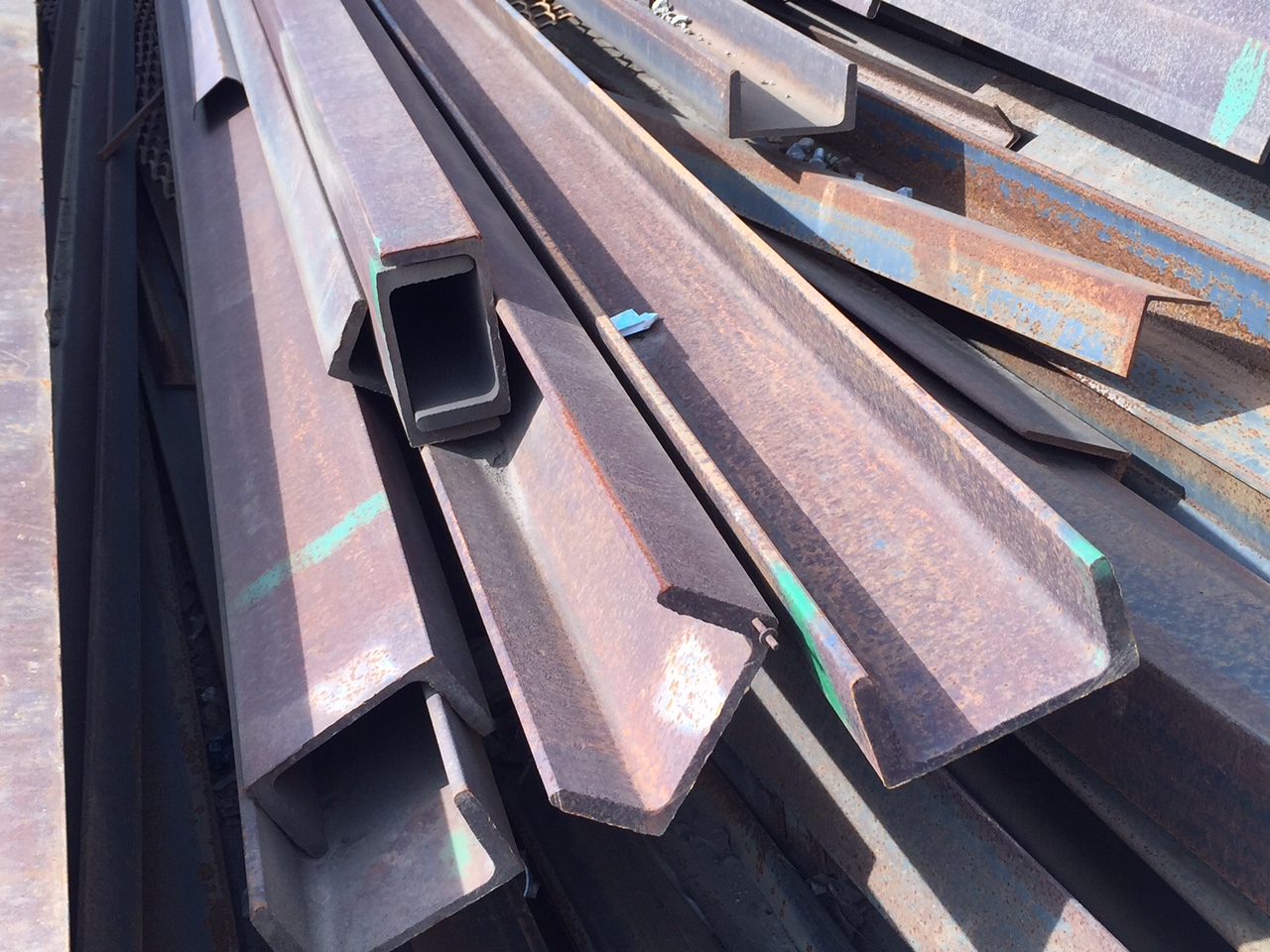
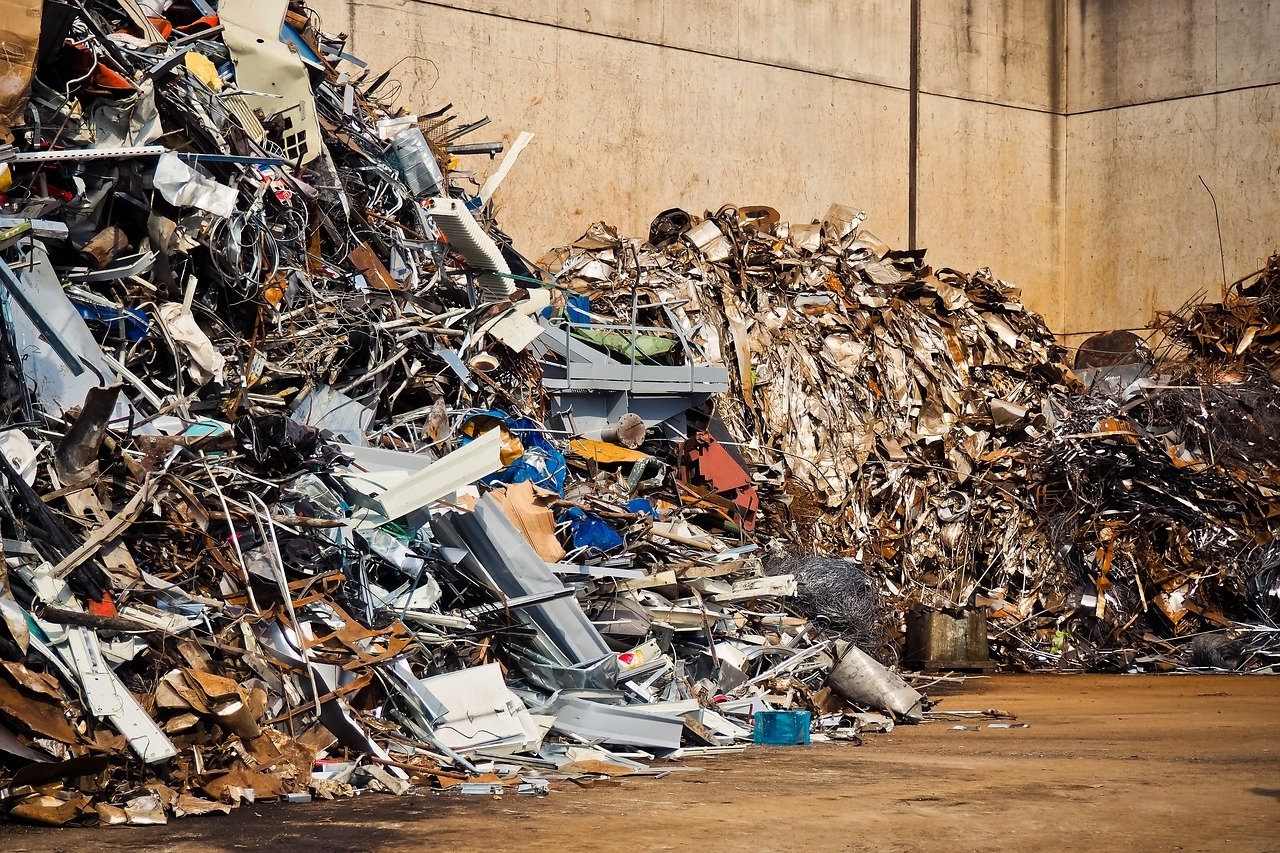
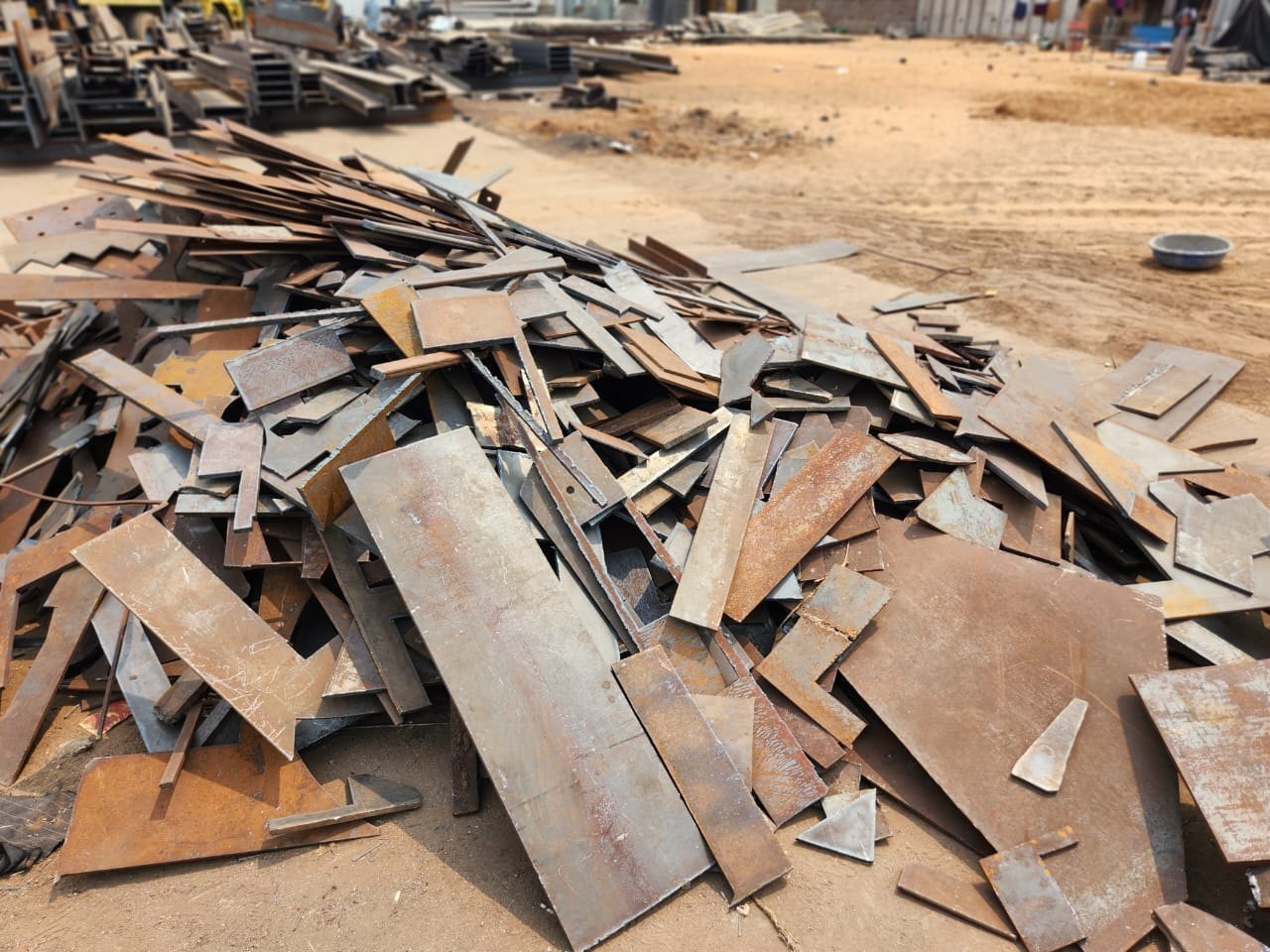
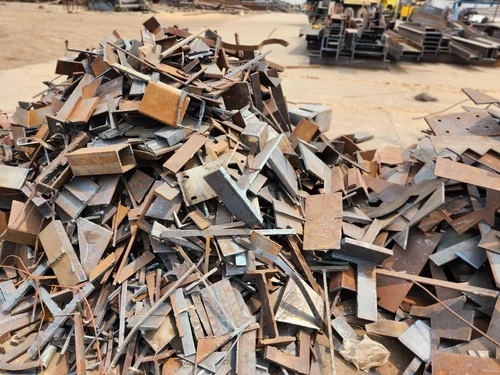
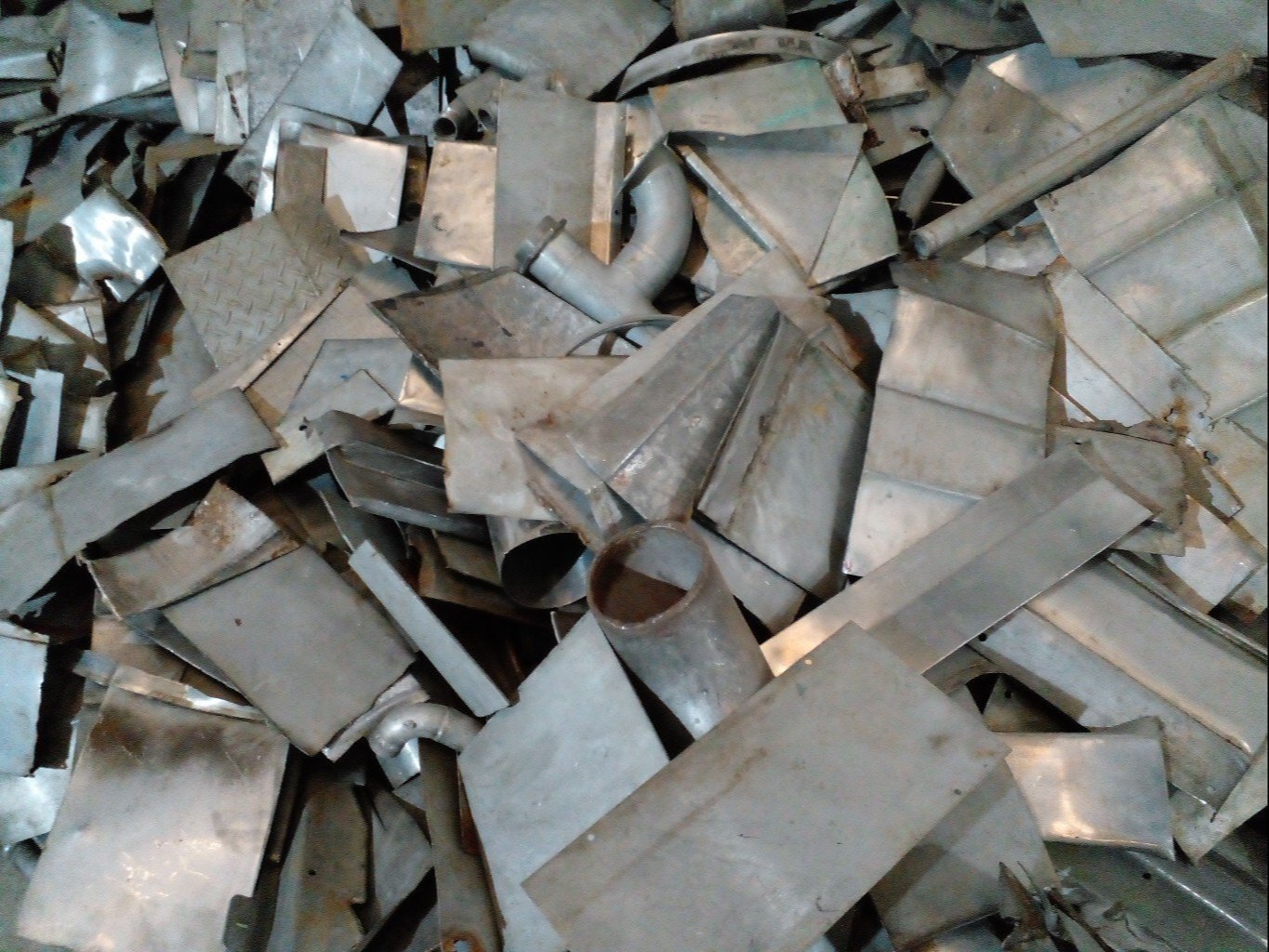
Sorted Steel Plate Scrap is a high-grade ferrous feedstock derived from decommissioned heavy industrial equipment, shipbuilding plates, and structural mill rejects, processed to strict dimensional and chemical tolerances. Its primary use is as a premium melting input for electric arc furnace (EAF) and basic oxygen furnace (BOF) steelmaking, enabling secondary steel producers to achieve lower impurity levels and faster melt cycles. The key value proposition is a 10–15% reduction in energy consumption per tonne compared to unsorted or light-gauge scrap, along with higher metallic yield. Strategically, this product is critical for steel mills aiming to secure consistent, low-residual raw material in a volatile global scrap market, directly supporting margin stability and carbon reduction targets.
2. Key Specifications & Technical Characteristics
-
Material Composition: Low-residual ferrous (Fe 94–96% min); controlled limits: Cu ≤0.20%, Cr ≤0.10%, Ni ≤0.08%, Mo ≤0.02%, Sn ≤0.01%
-
Grade / Classification: ISRI 200–206 equivalent (heavy melting steel plate scrap); size-sorted and magnetically separated
-
Physical Characteristics:
-
Form: Clean, cut or sheared steel plates, minimum thickness ≥6 mm
-
Color: Oxidized grey to dark brown (no painted/sealed heavy coatings)
-
Bulk density: 1.6–2.0 t/m³ (compacted or loose as per requirement)
-
Maximum piece dimensions: 800 mm x 500 mm x 500 mm (customisable)
-
-
Packaging Options: Loose bulk in break-bulk vessels; 20–40 MT bundles with steel banding; or containerized (20-ft GP, 25–28 MT per container)
-
Shelf Life: Indefinite when stored dry, away from saline/moist environments (minor surface rust does not affect melt performance)
3. Core Industrial Applications
-
Primary Industries: Electric arc furnace (EAF) mini-mills, integrated BOF steel plants, foundries producing structural beams, rebar, plate, and specialty alloy steels.
-
Specific Use Cases: As a base charge for carbon steel production; blending with lower-grade shred or turnings to raise average density and reduce slag formation; feedstock for remelting into new plate, shipbuilding, or heavy machinery grades.
-
Performance vs. Alternatives: Compared to shredded auto scrap or light HMS, sorted steel plate scrap offers 98%+ metallic recovery (vs. 90–93% for light scrap), faster charge melting (reducing tap-to-tap time by 6–8 minutes per heat), and 20% lower oxidation loss. This translates directly into lower electrode consumption and reduced slag handling costs.
4. Competitive Advantages
-
Quality Consistency: Every shipment certified with laser-induced breakdown spectroscopy (LIBS) analysis and third-party inspection (SGS/Bureau Veritas). Residual element variance ≤0.03% across 5,000+ MT lots.
-
Supply Reliability: Contracted volume from shipbreaking yards, heavy fabrication scrap, and obsolete industrial plant dismantling – minimum 10,000 MT monthly availability.
-
Logistics Capability: Dedicated port-side processing within 2 km of deep-water terminals (Houston, Rotterdam, Busan, Hamburg). Average loading time: 2,000 MT/day.
-
Price Competitiveness: Priced at a 2–4% premium to HMS 1&2 (80/20) but delivers 6–8% higher metallic yield, effectively lowering landed cost per liquid steel tonne.
-
Sustainability & Documentation: 98% recycled content; provides verifiable Scope 3 emissions reduction for steel buyers (EPD-ready documentation; CO₂ savings of ~1.5 tonnes per tonne of scrap replacing pig iron).
5. Commercial & Supply Information
-
Minimum Order Quantity (MOQ): 500 MT (trial) / 2,000 MT (contract)
-
BULK 20MT – Refers to minimum lot size for composite sampling: 20 MT sub-lot for quality certification
-
Loading Capacity (MT per container): 25–28 MT per 20-ft dry container (loose fill, no pallets)
-
Note: Full vessel loads available up to 25,000 MT per shipment (break-bulk). Payment terms: LC at sight or 30% advance + 70% against BL. Delivery: FOB, CFR, or CIF major global ports.

Reviews
There are no reviews yet.