
Description
1. Product Overview
Cast Iron Scrap is a high-density ferrous feedstock derived from demolished industrial machinery, automotive components, and foundry returns, processed to meet strict international specifications for remelting. Its primary industrial use is as a cost-effective substitute for pig iron in electric arc furnace (EAF) and cupola furnace steelmaking, as well as in the production of new cast iron components. The key value proposition is its superior carbon content (typically 3–4%) and excellent fluidity, which reduces energy consumption and improves melt yield compared to lower-grade ferrous scrap. Strategically, it is critical for secondary steel production globally, enabling circular economy targets while mitigating price volatility of virgin iron ore.
2. Key Specifications & Technical Characteristics
-
Chemical Composition: Carbon (C): 3.0–4.0%; Silicon (Si): 1.5–3.0%; Manganese (Mn): 0.5–1.5%; Phosphorus (P): ≤0.8%; Sulfur (S): ≤0.15%
-
Purity/Grade: ISRI 200 (Heavy Cast Iron Scrap) & ISRI 202 (Mixed Cast Iron); minimal free of non-ferrous attachments, sealed containers, or excessive rust
-
Physical Characteristics:
-
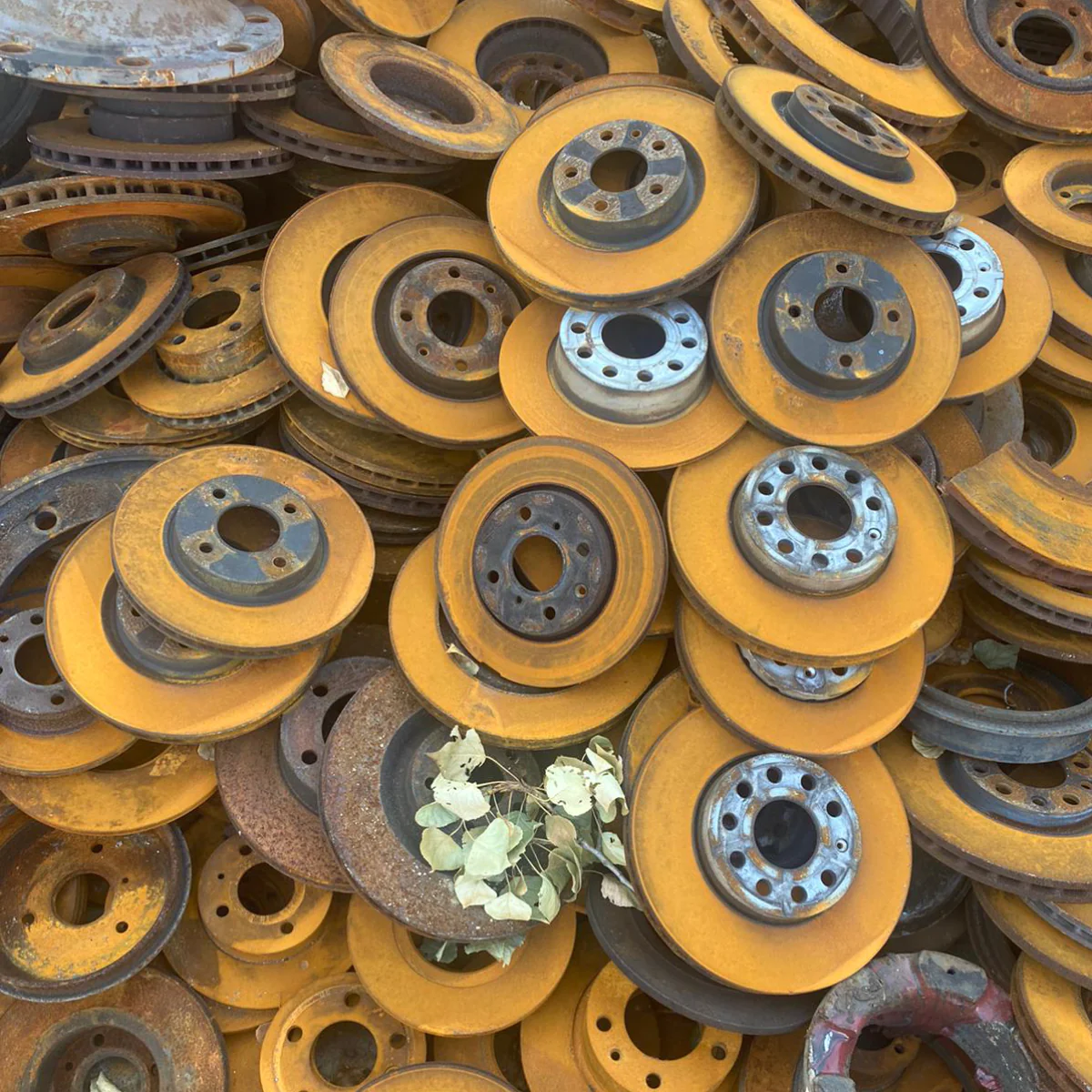
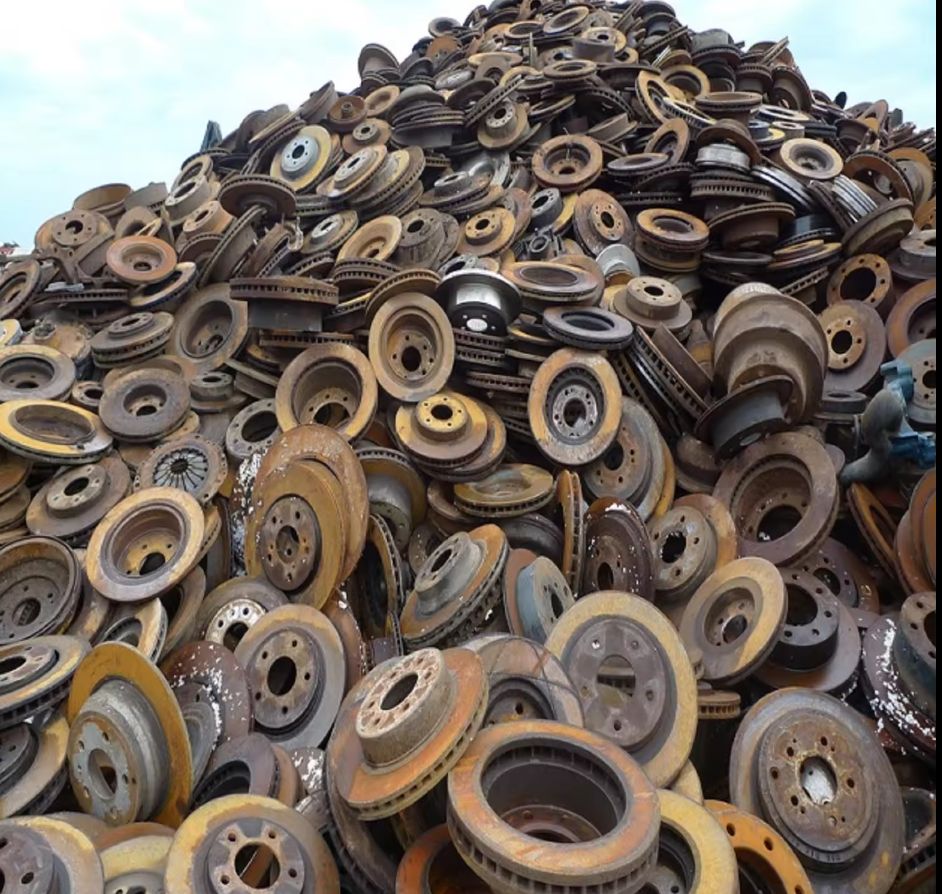
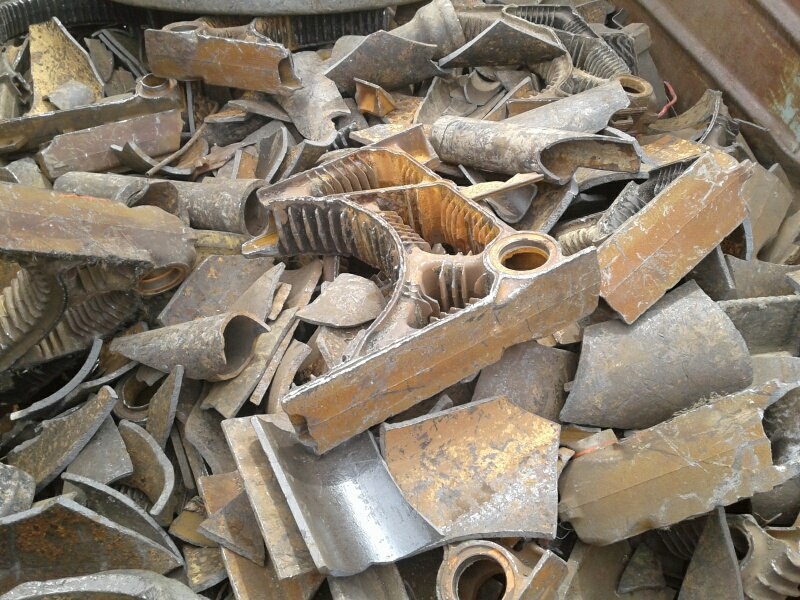
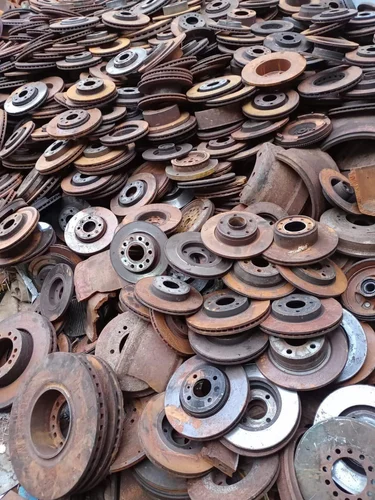
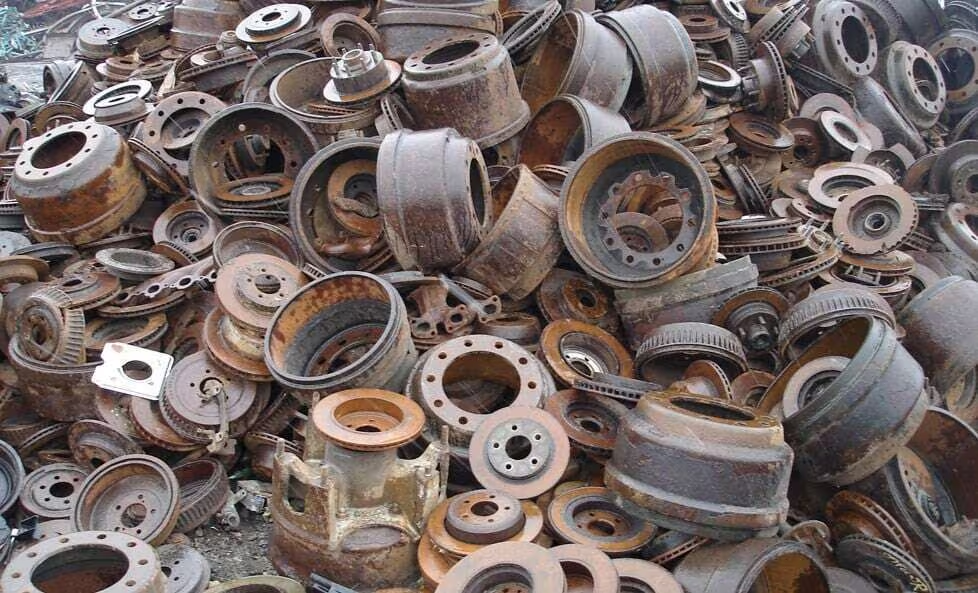
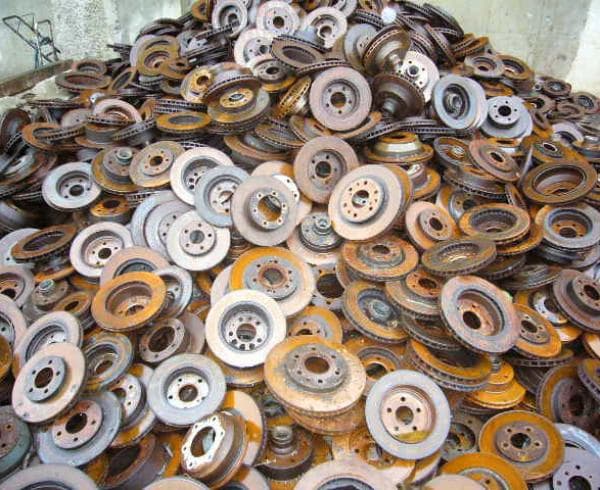
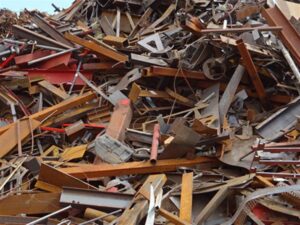
Form: Broken ingots, machine housings, brake drums, engine blocks
-
Size: 80% between 50mm – 500mm (2″–20″) to optimize furnace charging
-
Bulk Density: ~2.2 – 2.8 MT/m³ (high density reduces freight cost per ton)
-
Color: Oxidized gray to dark brown surface; fresh fracture shows silver-gray crystalline structure
-
-
Packaging Options: Loose bulk in containers, or compacted and palletized for breakbulk vessels
-
Shelf Life: Indefinite when stored above standing water to avoid excessive corrosion; no degradation of metallurgical value
3. Core Industrial Applications
-
Primary Industries: Steel mini-mills (EAF-based), iron foundries, automotive component manufacturing, and non-ferrous smelters (as a coolant)
-
Specific Use Cases:
-
EAF steelmaking: Used as 15–30% of metallic charge to boost carbon and control oxidation without pig iron premiums
-
Cupola furnaces: Primary feedstock (80–100%) for producing gray and ductile iron castings
-
Cement & mining ball mills: Recycled as grinding media after remelting
-
-
Performance Advantage: Compared to shredded light scrap, cast iron scrap offers 18–22% higher melt yield and 10–15% lower specific energy consumption due to its higher carbon content and graphitic structure. It also produces less slag, reducing refractory wear and lowering electrode consumption.
4. Competitive Advantages
-
Quality Consistency: Sorted via magnetic separation + manual inspection; each lot certified with independent lab analysis (ICP-OES/XRF). Guaranteed ±0.2% carbon deviation.
-
Supply Reliability: Multi-continent sourcing (Europe, North America, Middle East) with 100,000+ MT monthly capacity; buffer stock held in 12 strategic warehouses.
-
Logistics Capability: In-house freight forwarding for 40-ft HC containers (25 MT/container) and handysize bulk vessels (3,000–10,000 MT). 48-hour load-on-request.
-
Price Competitiveness: Direct mill-to-shredder relationships remove 2–3 intermediaries; pricing formula tied to Platt’s or S&P Global Commodity Insights indices.
-
Sustainability: 100% recycled content, certified under ISO 14021; each shipment accompanied by verifiable carbon footprint savings (avg. 1.5 tons CO₂ avoided per ton vs. pig iron).
-
Technical Support: Full MSDS, processing recommendations, and melt optimization advisory included free with contract.
5. Commercial & Supply Information
-
Minimum Order Quantity (MOQ): 20 metric tons (BULK – loose or baled)
-
Loading Capacity per Standard Container:
-
20-ft dry container: 25 MT (maximum legal payload)
-
40-ft high cube dry container: 28 MT (with port approval)
-
Breakbulk vessel: 500 MT minimum sling load, up to 12,000 MT per hold
-
Reviews
There are no reviews yet.