
Description
1. Product Overview
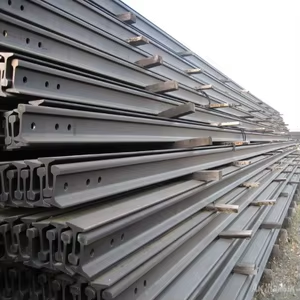
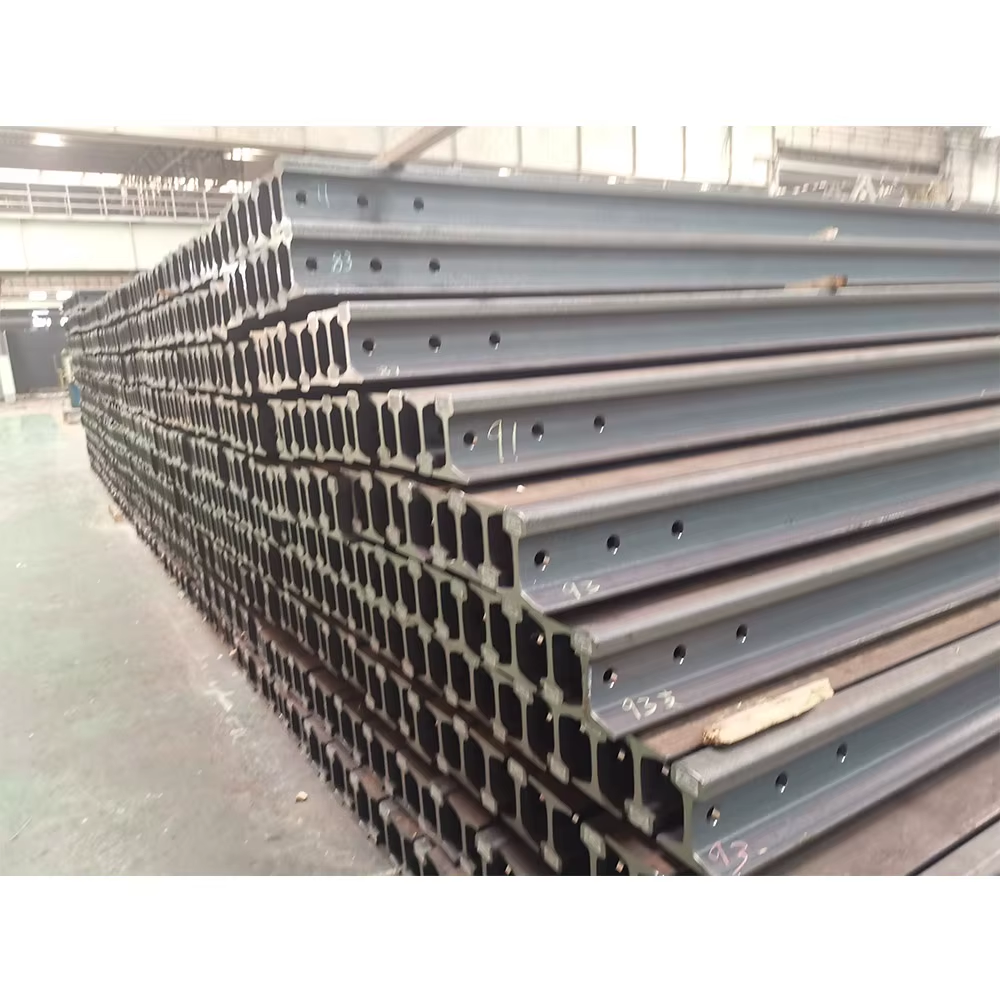
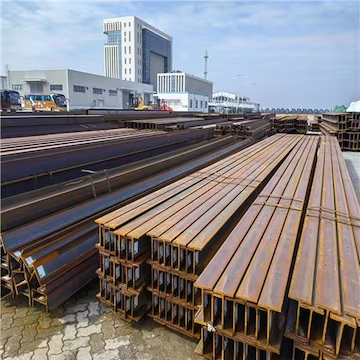
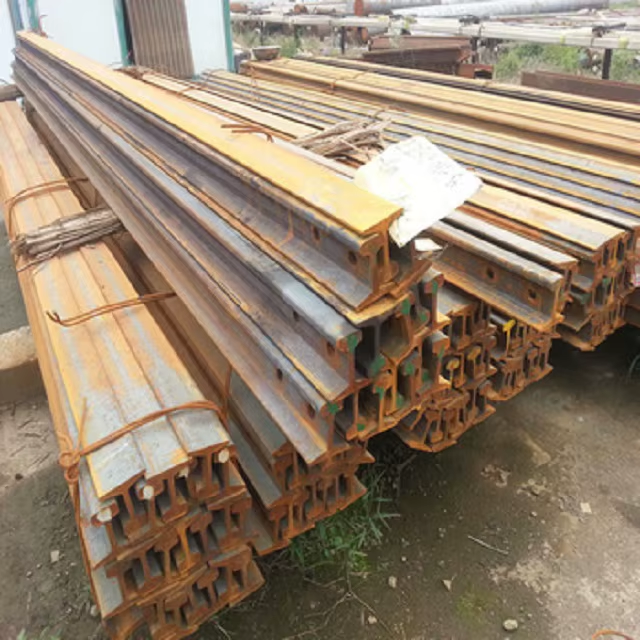
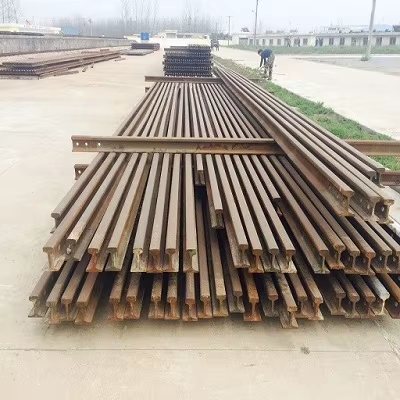
Rail & Beam Steel Scrap consists of premium, heavy-grade ferrous scrap derived from decommissioned railway tracks and structural steel beams. It is primarily used in electric arc furnace (EAF) and basic oxygen furnace (BOF) steelmaking to produce high-quality new steel products. Its key value proposition is its high density, predictable chemistry, and superior melting yield, which reduces energy consumption and increases operational efficiency for secondary steel producers. Strategically, this scrap is critical for global mills aiming to lower carbon intensity while maintaining stringent output quality in construction, automotive, and infrastructure grades.
2. Key Specifications & Technical Characteristics
-
Chemical Composition (Typical): Fe: 98–99%, C: 0.4–0.8%, Mn: 0.6–1.2%, Si: 0.1–0.3%, P: ≤0.04%, S: ≤0.04%
-
Grade / Purity: ISRI 200–206 (Rail & Heavy Melt), HMS 1 & 2 (90:10 blend optional). Low residual elements (Cu, Cr, Ni).
-
Physical Characteristics:
-
Form: Cut sections, 30–120 cm length; clean,不打捆 (unbundled) or loose-packed.
-
Density: ~1.8–2.2 t/m³ (bulk density)
-
Color: Oxidized dark grey to reddish-brown surface, no excessive rust.
-
-
Packaging Options: Loose bulk in containers or breakbulk; optionally torch-cut to specified length.
-
Shelf Life: Indefinite if stored dry; no degradation in chemical value.
3. Core Industrial Applications
-
Primary industries: Electric arc furnace (EAF) mini-mills, integrated BOF steel plants, foundries producing long steel products.
-
Operational use cases:
-
Feedstock for rebar, wire rod, structural sections, and rail steel production.
-
Substitute for pig iron in BOF to lower CO₂ footprint.
-
Heavy melt component for charge optimization in furnaces.
-
-
Performance advantages: Higher bulk density than light scrap → faster melt rates → 8–12% energy savings per ton. Predictable carbon/manganese range allows precise alloying. Lower surface area reduces oxidation loss vs. shredded scrap. Cost advantage: $30–50/ton cheaper than premium pig iron on a yield-adjusted basis.
4. Competitive Advantages
-
Quality consistency: Sorted, de-coiled, and inspected to remove non-ferrous attachments; source-traceable per shipment.
-
Supply reliability: Long-term contracts with railway decommissioning authorities and demolition firms; minimum 5,000 MT monthly capacity.
-
Logistics capability: In-house cutting, magnetic separation, and weighing; port-side warehousing with 48-hour load readiness.
-
Price competitiveness: Direct source from infrastructure projects → no intermediate brokers → 5–7% below regional index prices (e.g., Platts HMS 80:20).
-
Environmental benefit: Low-residual scrap enables production of “green steel” with ~75% less CO₂ vs. virgin ore-based routes. Documentation available for Scope 3 reporting.
-
Technical support: Certificate of Analysis (CoA) per lot; metallurgical consultation for charge mix optimization.
5. Commercial & Supply Information
-
Minimum Order Quantity (MOQ): BULK 20 metric tons (MT)
-
Loading capacity (per 20-ft container): 20 MT (neatly stacked, loose bulk)
-
Loading capacity (per 40-ft open-top container): 25 MT
-
Breakbulk (vessel): Up to 5,000 MT per shipment
-
Incoterms offered: FOB (loading port), CFR, CIF (major global steel hubs)
-
Lead time: 10–14 days from contract to load readiness

Reviews
There are no reviews yet.