
Description
1. Product Overview
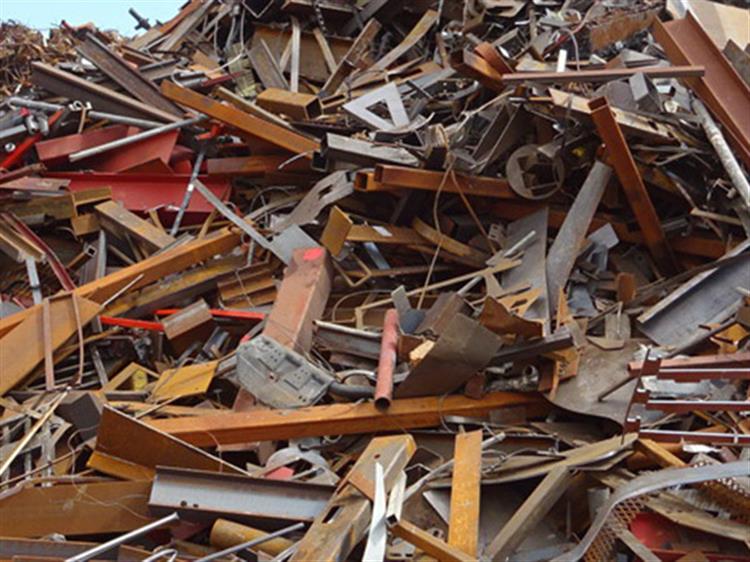
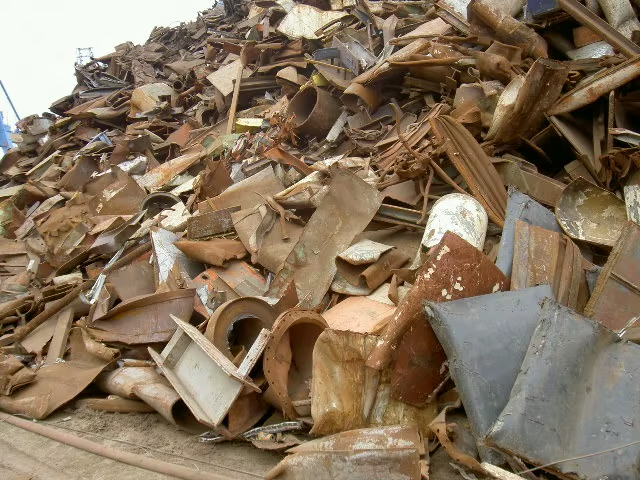
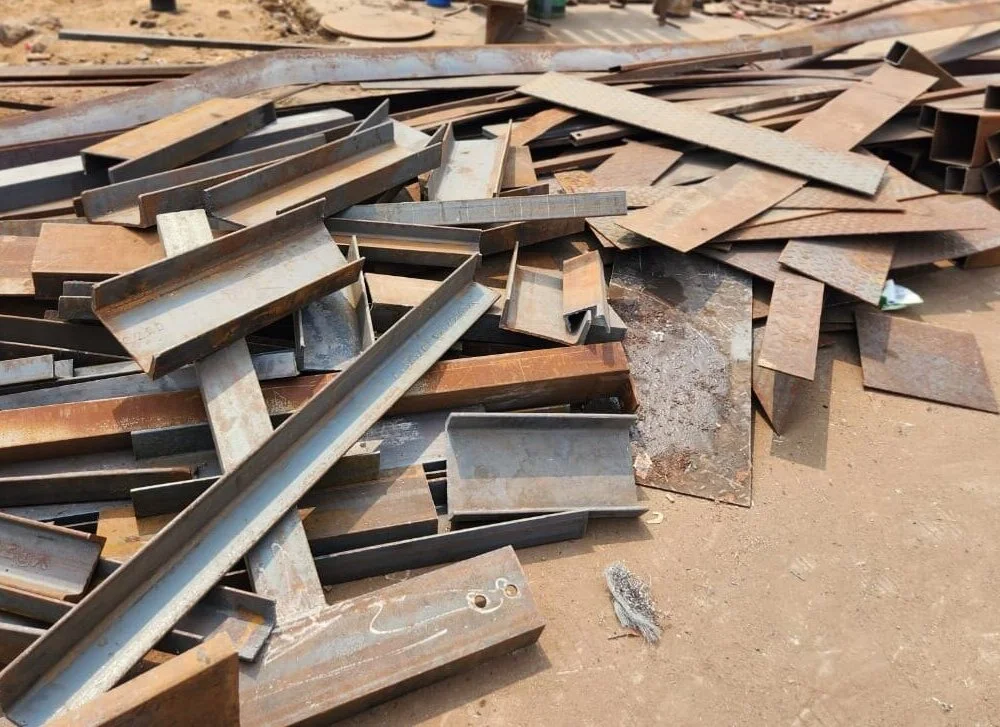
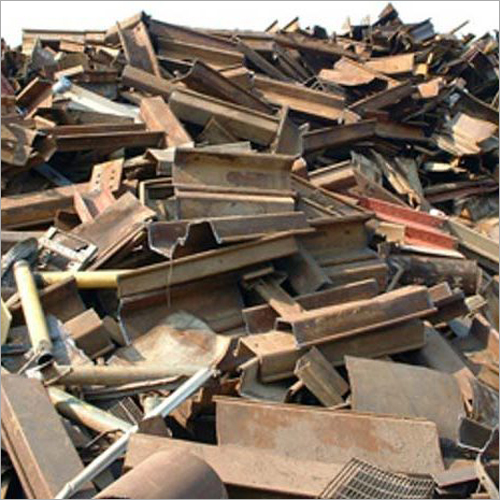
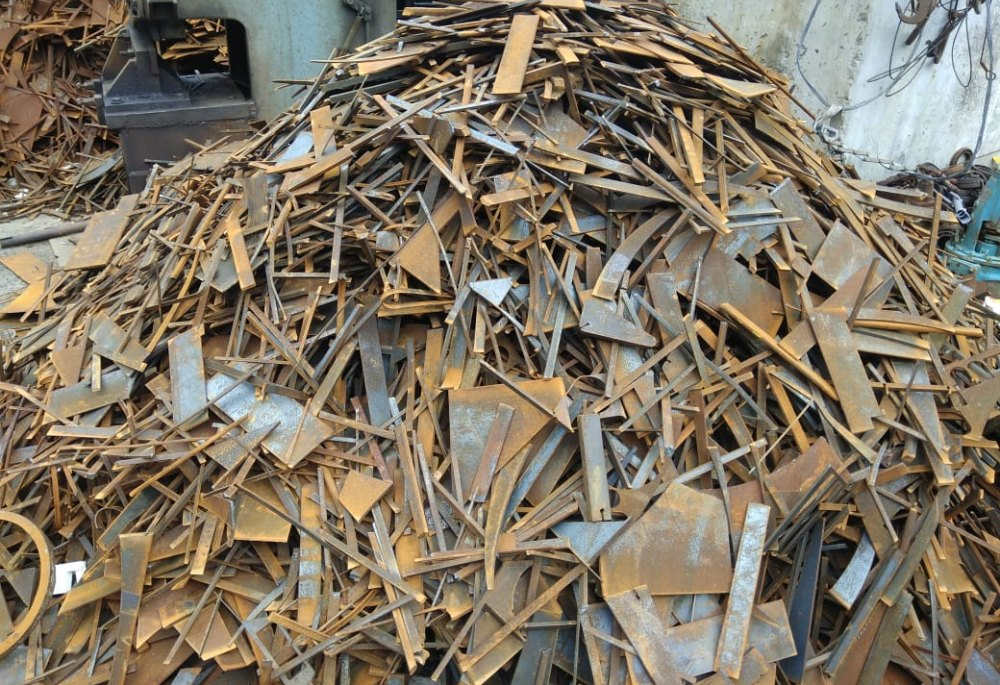
HMS 1 & 2 (Heavy Melting Steel) is a premium-grade ferrous scrap commodity, comprising obsolete and end-of-life steel assets, shredded or sheared to specified dimensions for high-density melting. Its primary industrial use is as a virgin-substitute feedstock in electric arc furnace (EAF) and basic oxygen furnace (BOF) steelmaking, enabling secondary steel production with significantly lower carbon intensity. The key value proposition lies in its consistent metallic yield, controlled contaminants, and optimized bulk density, which directly reduces energy consumption per ton of liquid steel. Strategically, HMS 1 & 2 is critical to global decarbonization efforts, as steel produced from scrap reduces CO₂ emissions by up to 58% compared to primary iron ore-based routes.
2. Key Specifications & Technical Characteristics
-
Material Composition: Ferrous scrap, primarily carbon steel; minimal alloy content (≤0.25% Cu, ≤0.08% Sn, ≤0.05% Cr). Free of galvanized, painted, or coated material beyond acceptable trace levels.
-
Grade & Purity: HMS 1 (thickness ≥ 1/4 inch / 6mm, max size 60” x 24”); HMS 2 (thickness ≥ 1/8 inch / 3mm, max size 36” x 18”); blend ratio 80:20 (standard) or as contracted.
-
Physical Characteristics:
-
Form: Shredded, sheared, or bundled scrap.
-
Bulk density: 1.25 – 1.60 t/m³ (optimized for charging efficiency).
-
Color: Oxidized ferrous surface, no excessive rust (loss ≤ 2% by weight).
-
-
Packaging: Loose loaded in break-bulk vessels, containerized (20’/40’ flat-rack or open-top), or compacted bales (500–800 kg each) per buyer request.
-
Shelf Life: Indefinite under dry storage; no degradation in metallic yield if protected from extreme moisture or corrosive environments.
3. Core Industrial Applications
-
Primary Industries: Electric arc furnace (EAF) mini-mills, integrated steel plants with BOF, foundries, and rebar/manufacturing steel producers.
-
Operational Use Cases:
-
EAF melting: Charged as 60–80% of furnace burden to produce structural beams, rebar, wire rod, and flat-rolled steel.
-
BOF cooling: Used as scrap coolant to control exothermic reactions in primary steelmaking.
-
Foundry remelt: Feedstock for cast iron and carbon steel castings in automotive and heavy equipment sectors.
-
-
Why It Performs Better:
-
Higher metallic recovery (92–95%) vs. lower-grade shred (88–90%), reducing slag volume and refractory wear.
-
Predictable chemistry minimizes alloying adjustments, cutting melt shop costs by $5–8/ton.
-
Uniform density enables faster charging cycles (15–20% time savings) compared to loose, heterogeneous scrap.
-
4. Competitive Advantages
-
Quality Consistency: ISO 9001:2025-certified sorting and processing; each shipment validated via third-party inspection (SGS/Bureau Veritas) with digital certificates.
-
Supply Reliability: Long-term contracts with industrial demolition and auto-shredding partners; 50,000 MT monthly capacity from multiple origin ports (Europe, MENA, Americas).
-
Logistics Capability: In-house logistics desk manages ocean freight, warehousing, and just-in-time delivery to minimize buyer inventory holding costs.
-
Price Competitiveness: Direct mill-to-mill pricing with no speculative premiums; indexed to Platt’s or Fastmarkets HMS 1 & 2 (80:20) CFR main ports.
-
Sustainability & Compliance: Certified under ISRI specifications and EU Waste Shipment Regulation; provides verified Scope 3 emissions reduction data for buyers’ ESG reporting.
-
Technical Support: Dedicated metallurgical account manager; pre-shipment sample testing and melt modeling available upon request.
5. Commercial & Supply Information
-
Minimum Order Quantity (MOQ): BULK 20 metric tons (MT) for containerized shipments.
-
Loading Capacity:
-
20’ standard container: approx. 20–22 MT
-
40’ flat-rack / open-top container: approx. 24–28 MT
-
Break-bulk vessel: 5,000–25,000 MT per shipment
-
-
Typical Lead Time: 10–14 days from order confirmation to load port readiness.
-
Incoterms Available: FOB, CFR, CIF (major global steelmaking ports)

Reviews
There are no reviews yet.