
Description
1. Product Overview
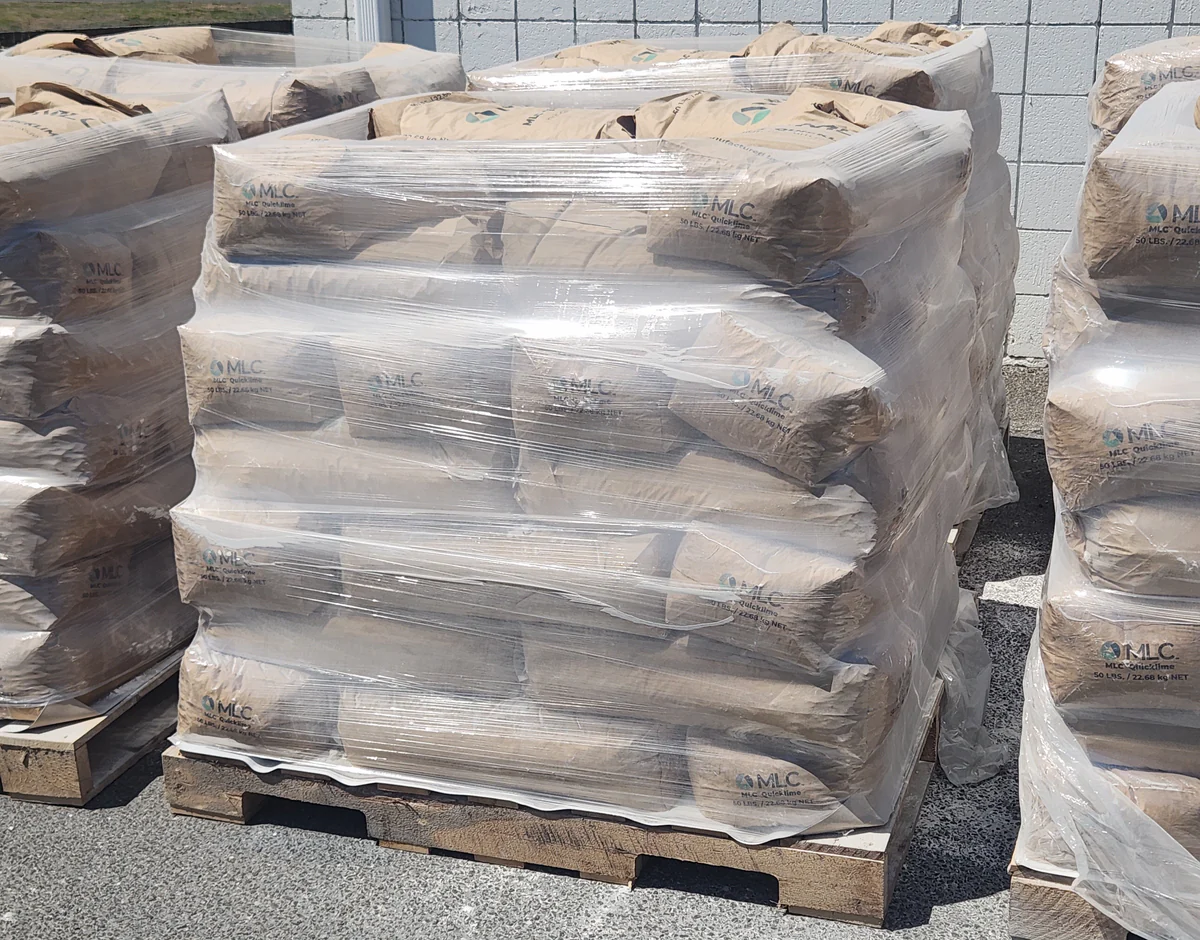
Quicklime (Calcium Oxide) is a high-purity, high-reactivity alkaline oxide produced through the controlled calcination of natural limestone. Its primary industrial use spans steelmaking fluxing, flue gas desulfurization (FGD), water conditioning, and construction material stabilization. The key value proposition is its exceptional exothermic reactivity and neutralization efficiency, offering lower dosage requirements per ton of output compared to hydrated or dolomitic lime alternatives. Strategically, Quicklime is indispensable for heavy industries seeking to optimize operating costs, meet environmental discharge regulations, and enhance process throughput—making it a non-substitutable commodity in global industrial supply chains.
2. Key Specifications & Technical Characteristics
-
Chemical Composition: CaO ≥ 90% (typical range 90–95%); MgO ≤ 2.5%; SiO₂ ≤ 2.0%; CO₂ ≤ 2.0%; residual moisture ≤ 1.0%
-
Purity Grade: Industrial Grade (Standard) / High-Reactivity Grade (HR – for steel & FGD)
-
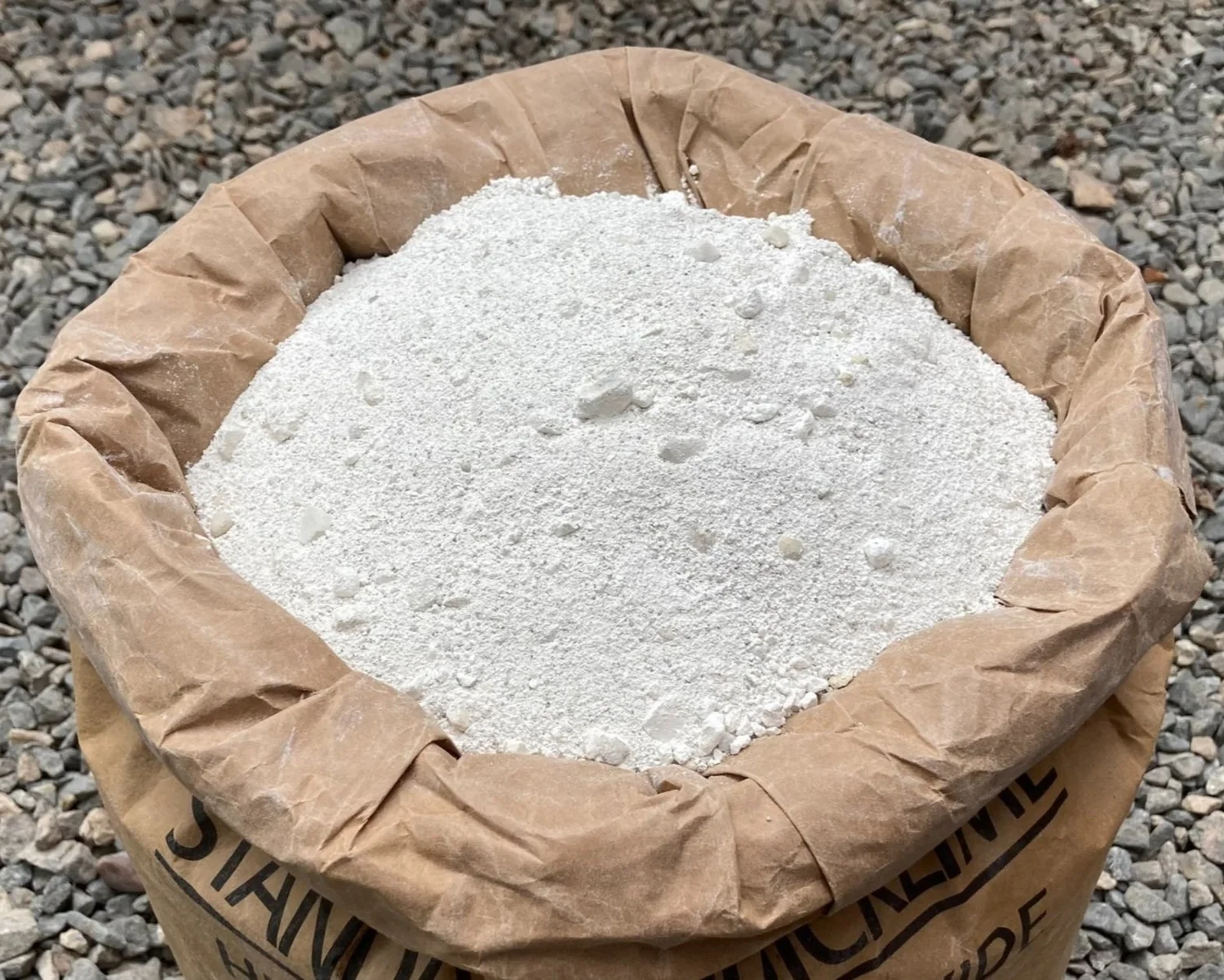
Physical Form: Lumpy (10–40mm), crushed (0–5mm), or pulverized (200 mesh, 75µm)
-
Appearance: White to off-white crystalline solid
-
Particle Size Distribution: Customizable: 0–1mm (fine), 1–5mm (medium), 5–20mm (coarse)
-
Bulk Density: 1.0–1.2 g/cm³ (loose); 1.4–1.6 g/cm³ (tamped)
-
Reactivity Rate: t60 ≤ 2 minutes (in water at 20°C, HR grade)
-
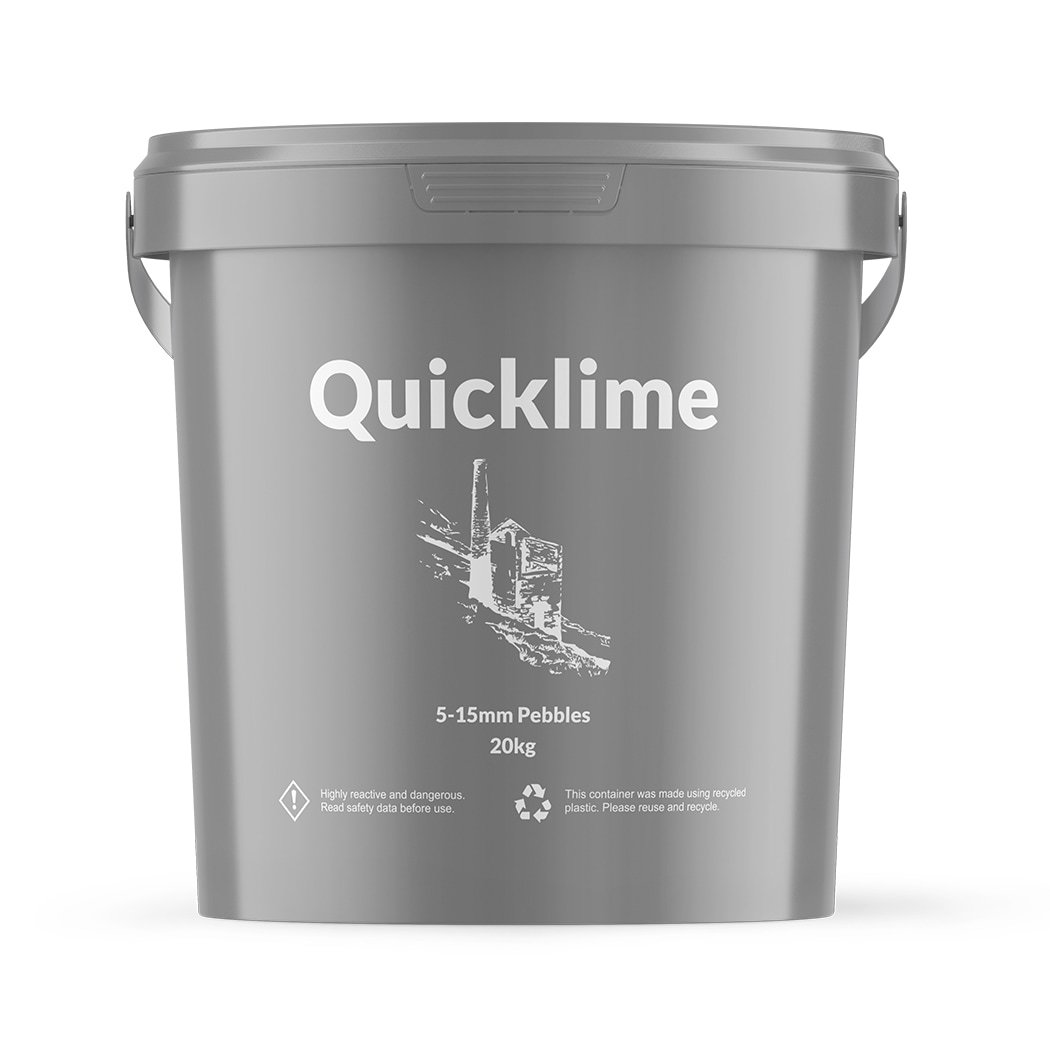
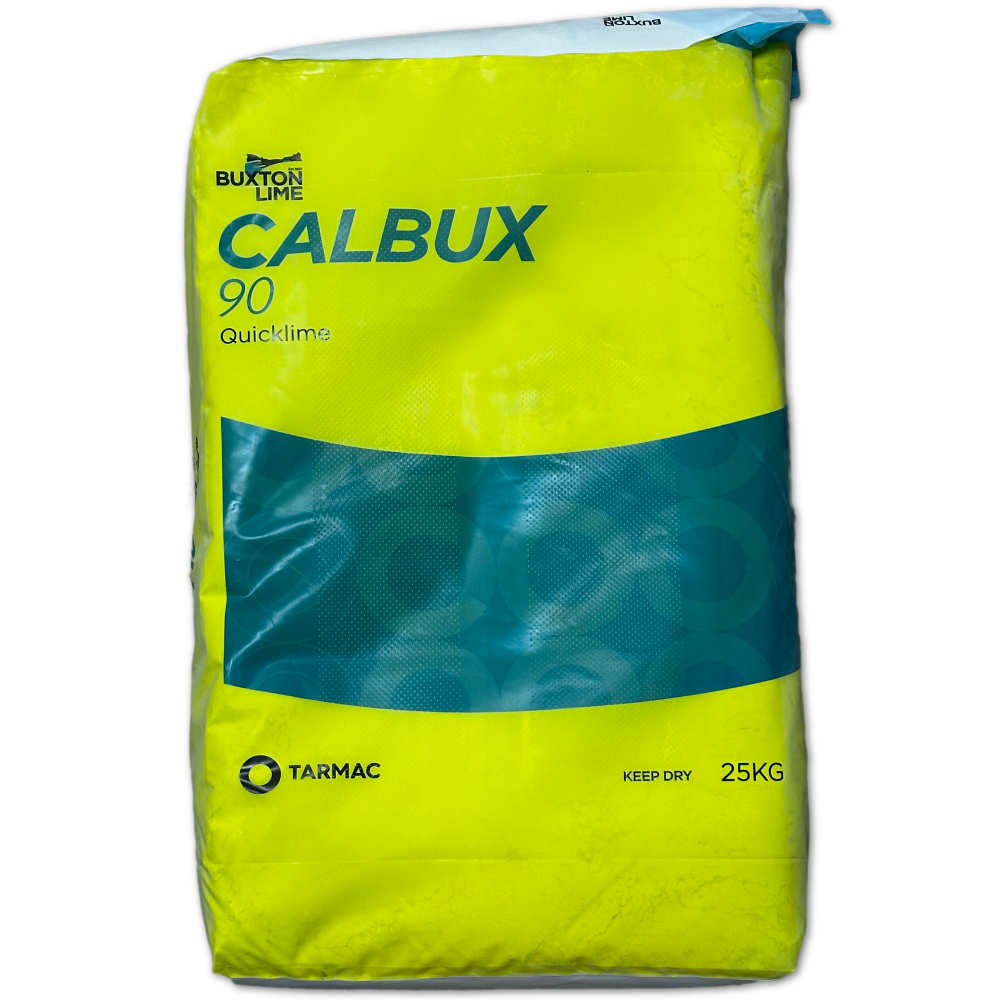
Packaging Options: 1.5 MT jumbo anti-moisture woven bags; 25–50 kg multi-layer paper/PE bags; pneumatic tanker truck bulk delivery; 20–30 MT sealed container liners with desiccant layers
-
Shelf Life: 3 months in unopened, dry packaging; 45 days in high-humidity environments (reactive degradation begins immediately upon moisture ingress)
3. Core Industrial Applications
-
Primary Steelmaking (BOF/EAF): Used as slag former to remove phosphorus, sulfur, and silica. Advantage: High CaO reactivity reduces fluxing time by 15–20% vs. calcined dolomite, lowering energy cost per molten ton.
-
Flue Gas Desulfurization (Coal & Incineration Plants): Dry or semi-dry injection for SO₂ removal. Advantage: Achieves >95% removal efficiency at lower stoichiometric ratio (Ca/S = 1.1–1.3) compared to limestone (1.5–1.7), reducing reagent spend by 12–18%.
-
Water & Wastewater Treatment (pH adjustment): Neutralization of acidic effluents (mining, chemical plants). Advantage: Instant exothermic reaction raises pH faster than caustic soda at 1/3 the chemical cost per equivalent unit.
-
Construction & Soil Stabilization: Subgrade treatment for roads, airports, and embankments. Advantage: Dries wet soils within 24–48 hours and increases California Bearing Ratio (CBR) by 200–300% over untreated clay.
-
Pulp & Paper (Kraft recovery): Lime reburning cycle. Advantage: Residual CO₂ <2% ensures minimal dead-burn, preserving reactivity through 6–8 recalcination cycles.
4. Competitive Advantages
-
Quality Consistency: ISO 9001:2025 certified production; every batch tested for CaO activity index, particle uniformity, and heavy metal limits (EN 12944 / ASTM C110).
-
Supply Reliability: Dual-source quarrying + dedicated kiln capacity of 250,000 MT/year; 99.5% on-time dispatch rate across Asia, Middle East, Africa, and Latin America.
-
Logistics Capability: Export-ready sealed containerization with moisture-barrier liners; pneumatic unloading compatible with silo infrastructure. Average lead time: 14–21 days FOB/CIF.
-
Price Competitiveness: Index-linked quarterly pricing (ICIS, Argus) + volume-based tier discounts (5–12% for orders >5,000 MT/month).
-
Sustainability: Low-carbon calcination technology (natural gas + waste heat recovery) reduces CO₂ footprint by 22% vs. coal-fired kilns; compliant with EU CBAM and IFC environmental standards.
-
Technical Support: Full SDS, mill certification, reactivity curve data, and on-call process engineering consultation for application optimization.
5. Commercial & Supply Information
-
Minimum Order Quantity (MOQ): 20 metric tons (20 MT) – equivalent to one bulk container or a partial jumbo bag pallet.
-
Loading Capacity (per 20ft container): 22–24 MT (depending on packaging: 22 MT for 1.5 MT jumbo bags; 24 MT for bulk liner).
-
Loading Capacity (per 40ft container): 20 MT (for palletized 25–50 kg bags) or 25 MT (maximum for bulk liner with dunnage).
-
Incoterms available: FOB (loading port), CIF (destination port), EXW (plant).
-
Primary export ports: Rotterdam, Houston, Shanghai, Jebel Ali, Durban.
Reviews
There are no reviews yet.