
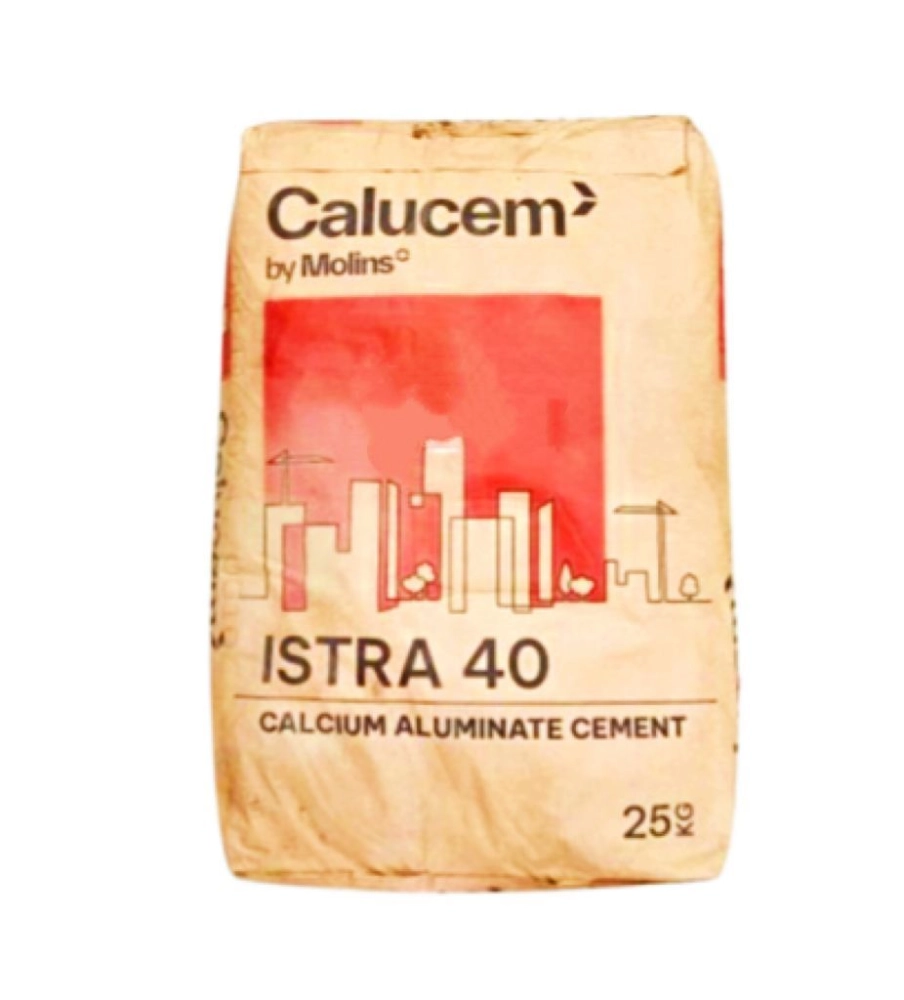
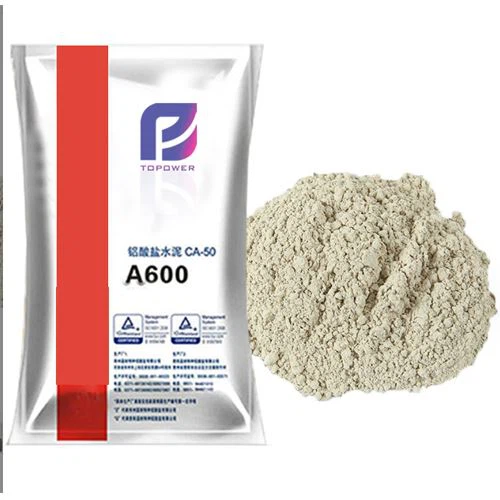
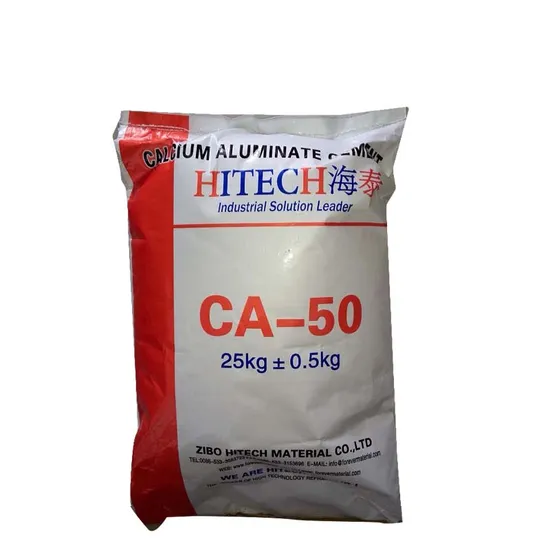
Description
1. Product Overview
Calcium Aluminate Cement (CAC) is a high-performance hydraulic binder engineered for exceptional resistance to chemical attack, high temperatures, and rapid strength development. It is primarily used in specialized construction applications such as refractory castables, sewer infrastructure, and industrial flooring where conventional Portland cement fails. The key value proposition lies in its ability to deliver early-age high strength and durability under extreme thermal and acidic conditions. Strategically, CAC is indispensable for industries requiring long-term asset protection and reduced downtime, making it a critical material in global refractory, mining, and wastewater treatment markets.
2. Key Specifications & Technical Characteristics
-
Chemical composition: ≥40% Al₂O₃ (standard grade); also available in 50%, 60%, 70%, and 80% Al₂O₃ variants
-
Purity level / Grade: Commercial grade (e.g., CAC-40, CAC-50) and high-purity (CAC-70, CAC-80) with low Fe₂O₃ and SiO₂ impurities
-
Physical characteristics:
-
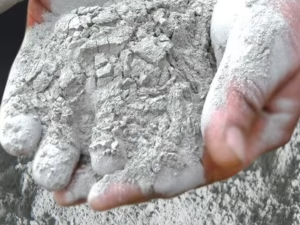
Form: Fine grey powder
-
Color: Grey to off-white (depending on alumina content)
-
Particle size: 90% passing 45 µm (Blaine fineness: 4,000–6,000 cm²/g)
-
Bulk density: 1.0–1.2 g/cm³ (loose)
-
Initial setting time: ~30–60 minutes (adjustable with retarders)
-
-
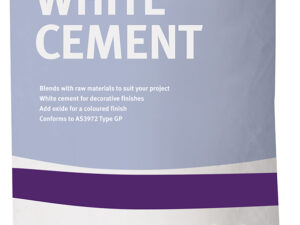
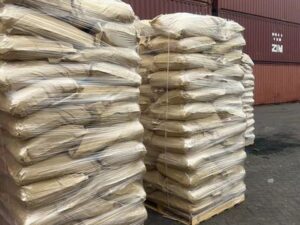
Packaging options: 25 kg multi-layer paper bags, 1 MT big bags, or bulk pneumatic tanker
-
Shelf life: 6 months in unopened, dry storage (humidity <70%)
3. Core Industrial Applications
-
Refractory industry – Monolithic linings for steel ladles, tundishes, and cement kilns: CAC provides high hot strength and spalling resistance up to 1,650°C, outperforming fireclay-based binders.
-
Wastewater & sewer systems – Biogenic sulfide corrosion (H₂SO₄) resistance: CAC’s calcium aluminate hydrates resist pH 2–3 acid attack, extending pipe life by 3× vs. Portland cement.
-
Industrial flooring & civil engineering – Rapid repair and heavy-duty floors: Achieves 30 MPa compressive strength within 6 hours, enabling 24-hour traffic return vs. 7 days for conventional cements.
-
Mining & mineral processing – Abrasion-resistant linings and grouts: Higher toughness and reduced shrinkage lower maintenance frequency by 40% in slurry handling equipment.
Why better: Faster curing reduces project timelines. Superior chemical and thermal resistance lowers life-cycle replacement costs. Lower porosity (≤20% vs. 35% in OPC) improves durability in aggressive environments.
4. Competitive Advantages
-
Quality consistency – ISO 9001:2025 certified batch control; every lot tested for Al₂O₃ content, setting time, and particle size distribution; data provided via COA.
-
Supply reliability – Multiple sourcing hubs (China, Europe, SEA) with 50,000 MT annual capacity; safety stock held in three regional warehouses.
-
Logistics capability – 7-day lead time for LCL, 14 days for FCL to major ports; real-time tracking via digital freight platform.
-
Price competitiveness – 10–15% below European and US producers for equivalent grades; volume discounts for contracts ≥500 MT/year.
-
Sustainability – Low-carbon manufacturing: 30% less CO₂ per ton vs. traditional CAC (using alternative fuels and recycled alumina sources).
-
Technical support – Free formulation guidance, setting time modifiers, and on-site troubleshooting; full SDS and application manuals provided.
5. Commercial & Supply Information
-
Minimum Order Quantity (MOQ): 20 metric tons (MT) – equivalent to one full 20-ft container
-
Loading capacity:
-
20-ft standard container: 20–22 MT (palletized or bulk bags)
-
40-ft high-cube container: up to 25 MT (weight-limited)
-
Bulk pneumatic tanker (truck/train): 25–30 MT per load
-
Reviews
There are no reviews yet.