
Description
1. Product Overview
Pozzolanic Cement is a high-performance hydraulic binder engineered by combining ordinary Portland cement clinker with reactive siliceous or aluminosilicate pozzolanic materials. It is primarily used in large-scale infrastructure, marine construction, and mass concrete applications where long-term durability and resistance to chemical attack are critical. The key value proposition lies in its superior resistance to sulfates and chlorides, reduced heat of hydration, and enhanced long-term compressive strength—making it a strategically vital material for projects demanding lifecycle cost efficiency and environmental resilience.
2. Key Specifications & Technical Characteristics
-
Chemical composition: Portland clinker (50–70%) + natural or artificial pozzolana (20–40%) + gypsum (3–5%)
-
Pozzolanic material type: Class N (natural) or Class F (fly ash based), conforming to ASTM C618 or EN 450
-
Purity / reactivity: Minimum 70% combined SiO₂ + Al₂O₃ + Fe₂O₃; reactivity index ≥ 75% at 28 days
-
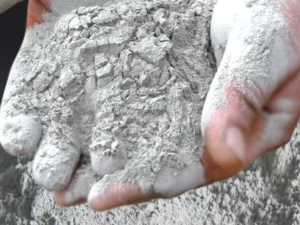
Physical form: Fine, homogeneous gray powder
-
Particle size: Blaine specific surface area: 300–450 m²/kg
-
Bulk density: 1.1–1.3 g/cm³ (loose)
-
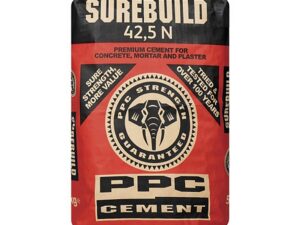
Standard grades: 32.5N, 42.5N, or as per ASTM C595 / EN 197-4
-
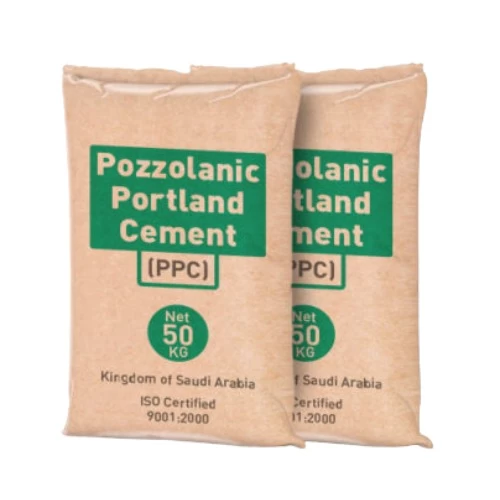
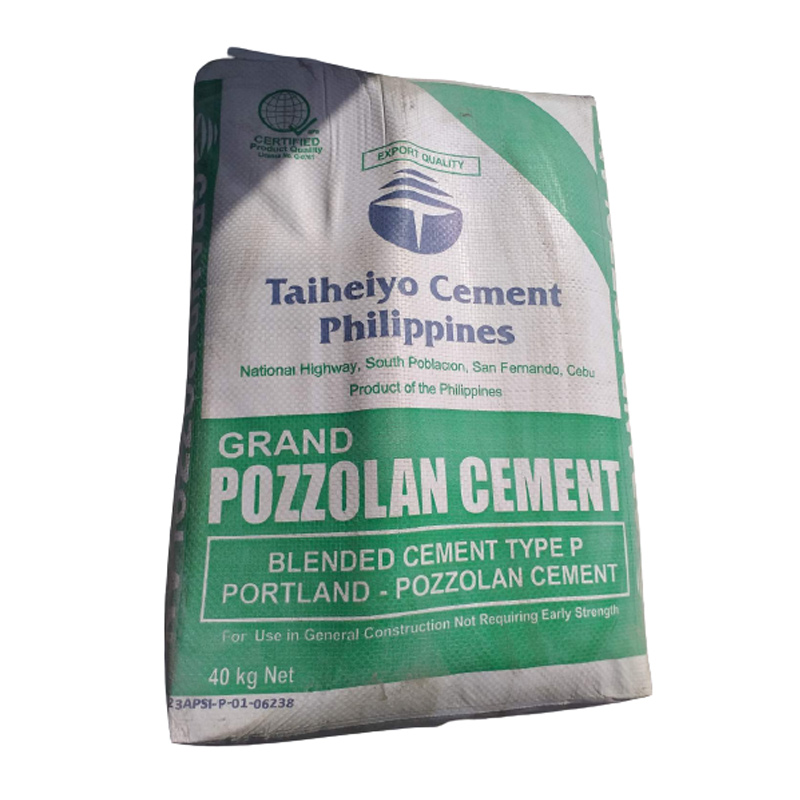
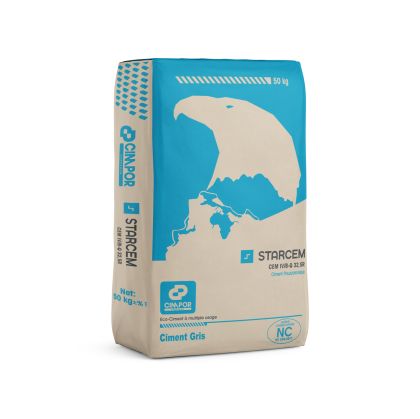
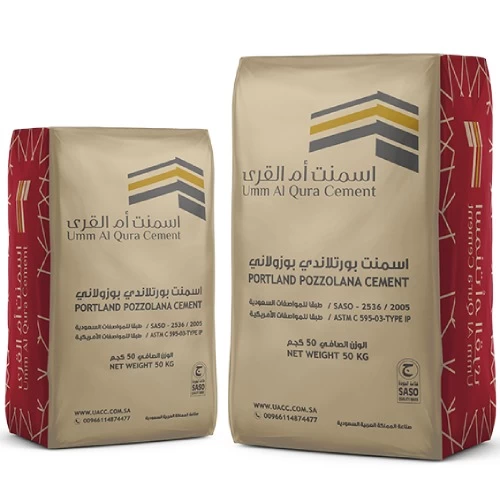
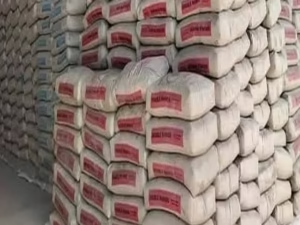
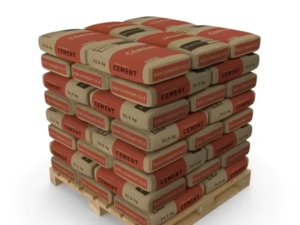
Packaging options: 50 kg multi-wall paper bags; 1.5 MT jumbo bags; bulk cement tankers (pneumatic discharge)
-
Shelf life: 6 months in dry, covered storage (extendable to 12 months with active moisture control)
3. Core Industrial Applications
-
Primary industries: Large-scale civil engineering, marine and port construction, hydroelectric dams, sewage treatment plants, chemical factories, and underground metro systems.
-
Operational use cases:
-
Mass concrete foundations & dams – Low heat of hydration prevents thermal cracking.
-
Marine structures (piers, jetties, breakwaters) – Exceptional sulfate and chloride ion penetration resistance.
-
Wastewater infrastructure – High resistance to biogenic sulfuric acid corrosion.
-
Soil stabilization & grouting – Improved workability and reduced permeability.
-
-
Why better than alternatives: Compared to ordinary Portland cement (OPC), Pozzolanic Cement delivers 30–50% lower heat evolution, 40% higher sulfate resistance, and 20% greater long-term (180-day) compressive strength. It also uses industrial byproducts, reducing CO₂ emissions per ton by up to 30%.
4. Competitive Advantages
-
Quality consistency: ISO 9001:2025 certified production with real-time XRF and particle size distribution monitoring per batch.
-
Supply reliability: Dual-sourced pozzolana stockpiles and dedicated silo capacity ensuring 98.5% on-time-in-full (OTIF) performance.
-
Logistics capability: Export-ready from 3 strategic port terminals with pneumatic loading systems (150 MT/hour).
-
Price competitiveness: Direct mine-to-cement integration removes intermediary markups – landed cost typically 10–15% below regional market average.
-
Sustainability benefits: Contains up to 35% recycled industrial pozzolans, eligible for green building credits (LEED v5, BREEAM).
-
Technical support: Full mill test certificates (MTC), mix design consultation, and on-site troubleshooting provided by licensed civil engineers.
5. Commercial & Supply Information
-
Minimum Order Quantity (MOQ): 20 metric tons (MT) – equivalent to one bulk loose container or 400 x 50 kg bags.
-
Loading capacity per container:
-
20 ft standard container: 20 MT (bulk bagged or jumbo bags)
-
40 ft high-cube container: 25 MT (jumbo bagged only)
-
Bulk vessel loading: 5,000–30,000 MT per shipment (tanker or pneumatic barge)
-
Reviews
There are no reviews yet.