
Description
1. Product Overview
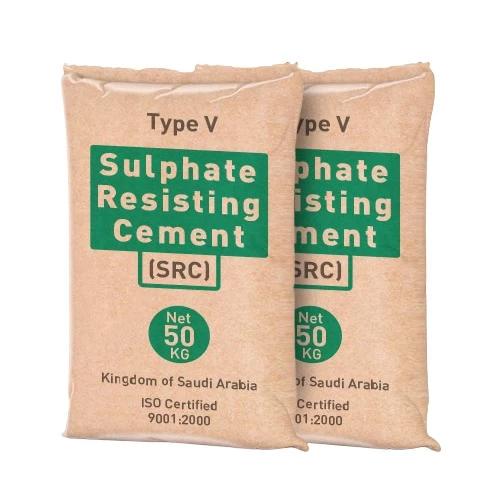
Sulphate Resistant Cement (SRC) is a specialized hydraulic cement engineered with a low tricalcium aluminate (C₃A) content to provide exceptional resistance against sulphate ion attack in aggressive environments. It is primarily used in foundations, marine structures, sewage treatment plants, and soil stabilization projects where sulphate-rich groundwater or soils pose a risk of concrete deterioration. The key value proposition is extended structural lifespan with minimal maintenance, directly reducing total cost of ownership. Strategically, SRC is indispensable for infrastructure resilience in coastal, industrial, and geologically high-sulphate regions, making it a critical procurement category for risk-mitigated project execution.
2. Key Specifications & Technical Characteristics
-
Chemical composition: C₃A ≤ 5% (by mass); low alkalis; controlled SO₃ content (≤ 2.5%)
-
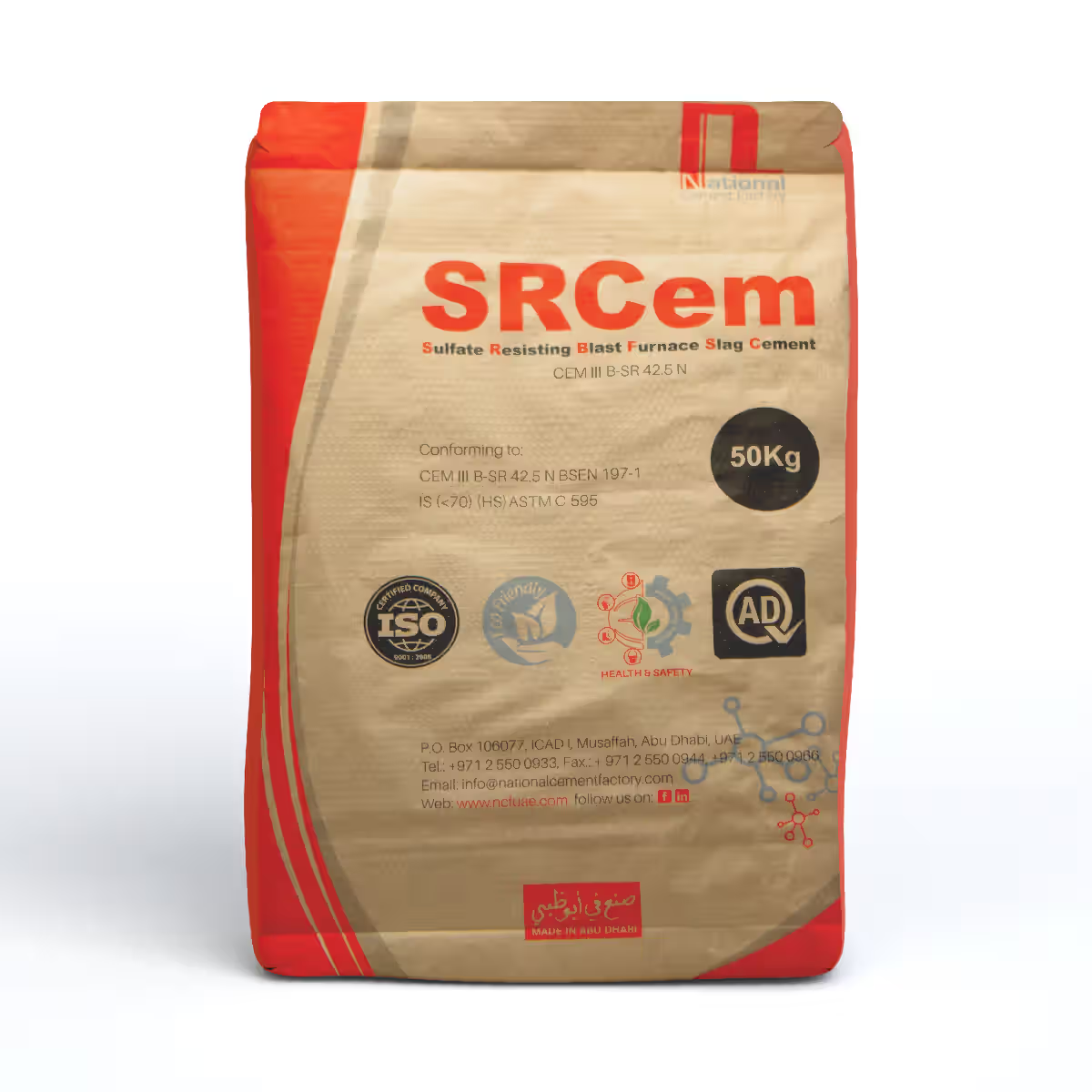
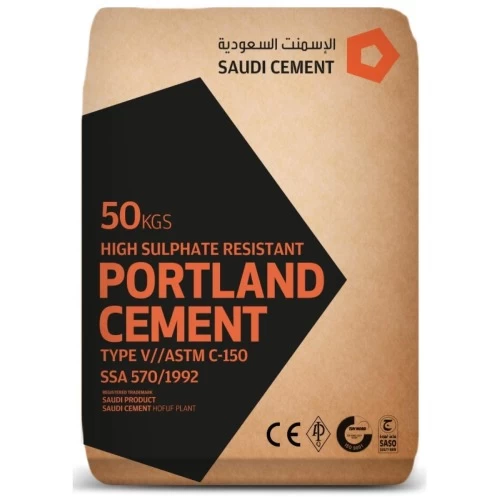
Grade / Standard compliance: ASTM C150 Type V, EN 197-1 CEM I SR5, or equivalent local standards
-
Physical form: Fine grey powder
-
Blaine fineness: 280–320 m²/kg
-
Setting time (initial / final): ≥ 60 min / ≤ 600 min (Vicat test)
-
Compressive strength (28 days): ≥ 35 MPa (standard mortar)
-
Particle size distribution: Max residue 5% on 90µm sieve
-
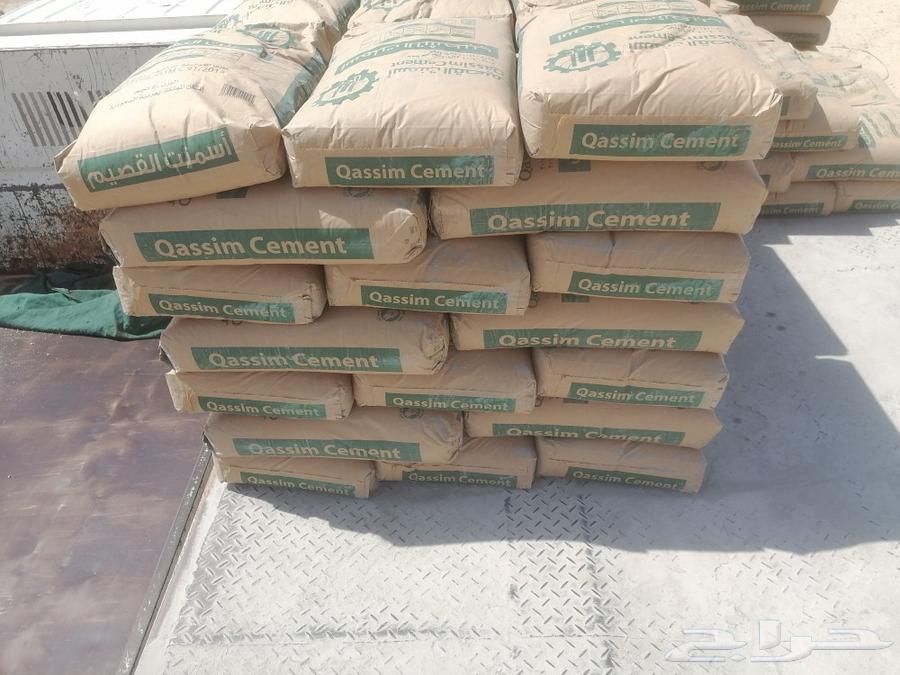
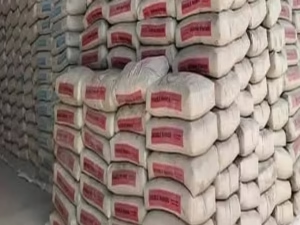
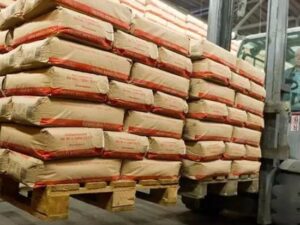
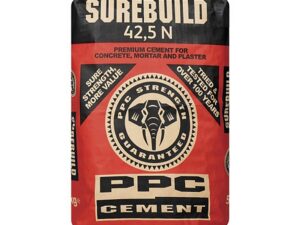
Packaging options: 50 kg HDPE-lined kraft bags, 1.5 MT big bags, or bulk pneumatic tanker delivery
-
Shelf life: 3 months in dry, sealed conditions; extended to 6 months with humidity-controlled storage
3. Core Industrial Applications
-
Primary industries: Marine civil engineering, underground tunneling, wastewater treatment, chemical manufacturing facilities, and agricultural infrastructure (silage pits, manure storage).
-
Operational use cases: Foundation piles in high-sulphate clays; sea walls and breakwaters; sewer pipes and manholes exposed to biogenic sulphide corrosion; concrete floors in fertilizer plants.
-
Performance advantage: Unlike Ordinary Portland Cement (OPC), SRC prevents ettringite formation—a major cause of cracking, spalling, and strength loss—resulting in up to 3x longer service life in aggressive sulphate conditions.
-
Efficiency & cost benefits: Reduces need for surface coatings or cathodic protection; lowers lifecycle maintenance costs by 30–50% in high-risk environments; compatible with standard mixing and placement equipment.
4. Competitive Advantages
-
Quality consistency: Statistical process control (SPC) at every production stage; ISO 9001:2025 certified lab testing per batch with retained samples for 12 months.
-
Supply reliability: Dual-production facility network (regionally redundant) ensuring 98.5% on-time-in-full (OTIF) performance.
-
Logistics capability: Dedicated B2B shipping desk with live tracking; expedited customs documentation for global deliveries.
-
Price competitiveness: Direct mill contracts with raw material quarries; volume-based tiered pricing with no premium volatility surcharge.
-
Sustainability: Produced using alternative fuels (30% biomass substitution); low CO₂ footprint per tonne compared to industry average; EPD (Environmental Product Declaration) available upon request.
-
Technical support: Free project-level mix design consultation; 24-hour technical datasheet access; on-site quality auditing for large projects (>500 MT).
5. Commercial & Supply Information
-
Minimum order quantity (MOQ): 20 metric tons (MT)
-
Bulk loading capacity: 20 MT per 20-ft GP container (net weight; bagged) or 25 MT per bulk pneumatic tanker (unbagged)
-
Lead time ex-works: 7 days for bulk; 14 days for bagged
-
Incoterms supported: FOB, CIF, CFR, EXW
-
Payment terms: LC at sight (for first order); net 30 days for established accounts with credit approval
Reviews
There are no reviews yet.