
Description
1. Product Overview
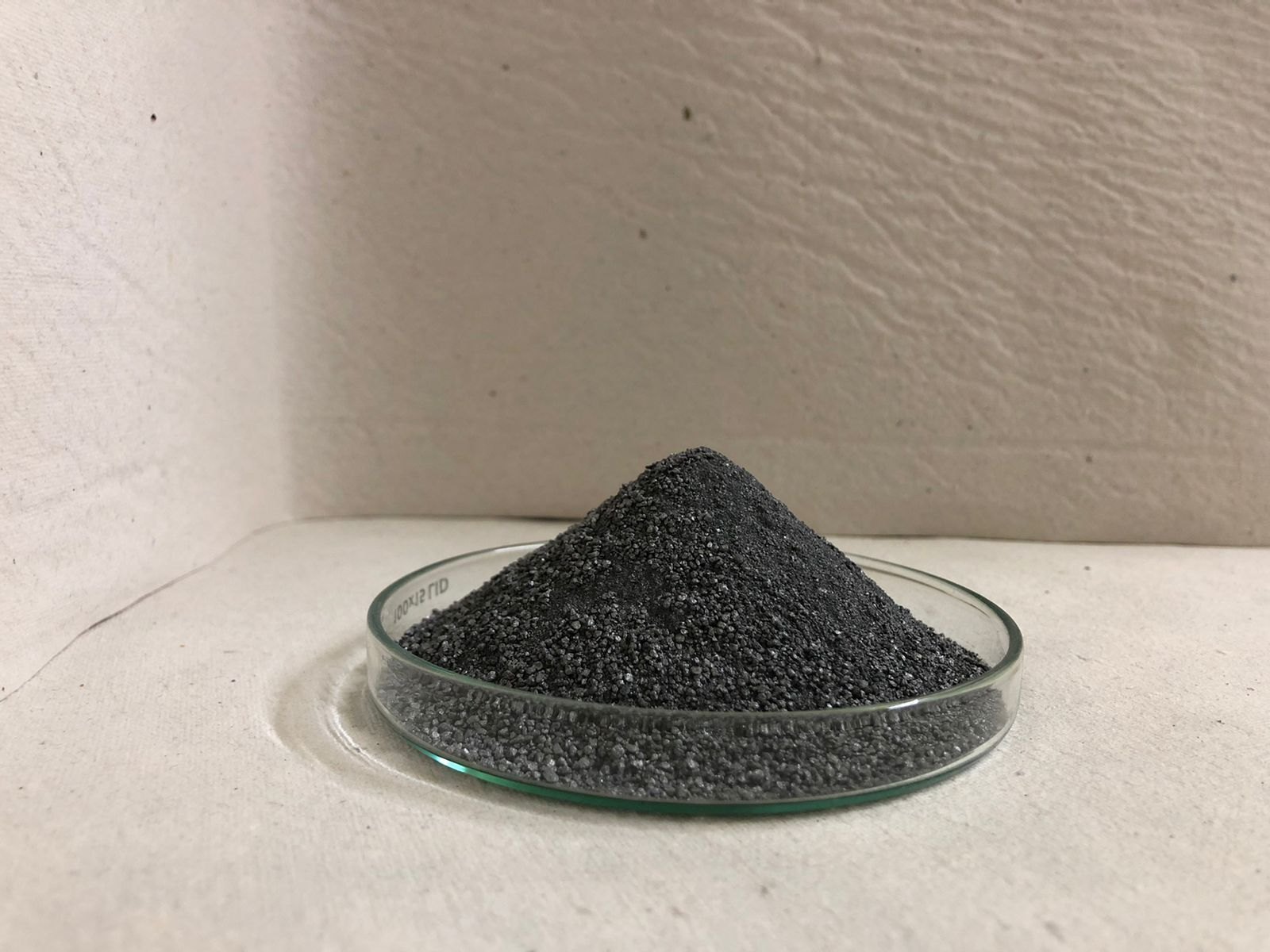
Ni-P Catalyst Spent is a recovered industrial-grade nickel-phosphorus alloy material derived from spent hydroprocessing and hydrogenation catalysts used in petrochemical refining. Its primary industrial use is as a secondary raw material for nickel recovery, specialty alloy production, and metallurgical feedstock applications. The key value proposition lies in delivering high nickel content at a significantly lower cost basis than virgin metal, with traceable industrial origin and consistent chemistry. It is strategically important in the global market as industries intensify focus on circular economy sourcing, critical mineral security, and ESG-compliant supply chains for battery and stainless steel value chains.
2. Key Specifications & Technical Characteristics
- Chemical Composition: Ni 8–15% typical, P 0.5–3.0%, Al₂O₃ 40–65% as carrier, Mo 0.5–6.0%, V 0.1–3.0%, S <2.0%, C <5.0%, Balance: SiO₂, Fe, trace metals
- Purity/Grade: Industrial secondary grade; metal content certified per lot via XRF/ICP analysis
- Physical Characteristics:
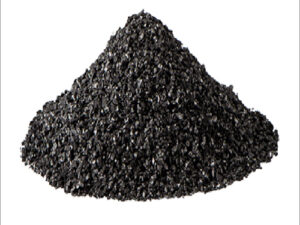
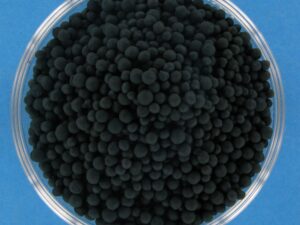
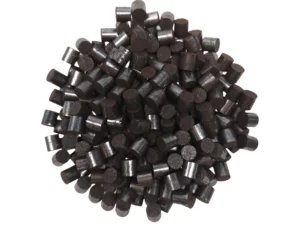
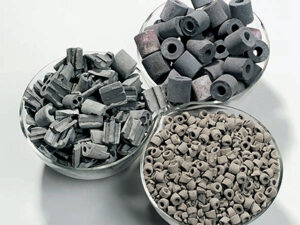
- Form: Spent catalyst extrudates, pellets, or crushed granules
- Color: Dark grey to black
- Particle Size: 1.5–4.0 mm diameter extrudates or 0–10 mm crushed
- Bulk Density: 0.6–0.9 g/cm³
- Moisture: <5% w/w, free-flowing
- Packaging Options: 1 MT jumbo bags with PE liner, palletized; bulk loading available
- Shelf Life: Indefinite when stored dry in original packaging; no degradation of metal content
3. Core Industrial Applications
- Primary Industries: Non-ferrous metal smelting, nickel refiners, ferroalloy producers, stainless steel mills, battery precursor manufacturers, chemical catalyst recyclers
- Specific Operational Use Cases:
- Direct feedstock for pyrometallurgical and hydrometallurgical nickel recovery circuits
- Alloying additive in stainless steel and specialty steel production to adjust Ni units
- Raw material for producing nickel salts, nickel sulfate for EV battery supply chains
- Reprocessing into fresh hydrogenation catalysts after metal extraction
- Performance Advantages vs Alternatives:
- Cost Efficiency: 30–50% lower cost per contained Ni unit compared to primary nickel cathode or briquettes
- Supply Security: Provides non-LME, non-sanctioned nickel units from traceable industrial waste streams
- Process Compatibility: Alumina matrix acts as slag former in smelting, reducing flux requirements
- ESG Impact: Lowers Scope 3 emissions for buyers by displacing mined nickel; supports circular economy metrics
4. Competitive Advantages
- Quality Consistency: Each lot sampled and assayed with full ICP-OES certification; controlled sourcing from major refinery partners ensures stable Ni:P ratio
- Supply Reliability: Access to 500+ MT/month from contracted refinery decommissioning cycles; long-term offtake agreements available
- Logistics Capability: Experience exporting from Douala Port, Cameroon with SGS inspection, radiation clearance, and Basel Convention documentation
- Price Competitiveness: Priced on LME Ni basis with adjustable discount structure for volume and contract tenor; no premium for small lots
- Sustainability Benefits: Classified as recyclable secondary material; assists buyers with ISO 14001 and IRA-compliant sourcing documentation
- Technical Support: SDS, TDS, process flow compatibility data, and end-use consulting provided; samples available for smelter trials
5. Commercial & Supply Information
- Minimum Order Quantity (MOQ): BULK 20MT
- Loading Capacity: 20–22 MT per 20ft FCL container, depending on bulk density and packaging
Reviews
There are no reviews yet.