
Description
1. Product Overview
Hydrogenation Catalyst Residue is a secondary industrial material recovered from spent catalyst systems used in hydrogenation processes across petrochemical, oleochemical, and pharmaceutical manufacturing. Its primary industrial use is as a high-value source of recoverable precious and base metals, including nickel, palladium, platinum, and cobalt, for refining and reuse in catalyst production or metal recycling streams. The key value proposition lies in delivering significant raw material cost savings and circular economy benefits by diverting critical metals from waste streams back into high-grade industrial supply chains. It is strategically important in the market due to tightening global metal supply, rising ESG compliance requirements, and the drive for sustainable sourcing of catalytic elements essential to hydrogenation, fuel upgrading, and specialty chemical synthesis.
2. Key Specifications & Technical Characteristics
- Chemical Composition / Material Components: Heterogeneous mixture containing residual metallic content of Ni 15-35%, Pd 0.5-3.5%, Pt 0.1-1.2%, Co 2-8% on dry basis, with alumina, silica, or carbon support matrix; balance as oxides, carbonaceous deposits, and process contaminants
- Purity Level or Grade: Industrial recycling grade; metal content verified by ICP-OES assay; low halide and sulfur content available on request for refinery compatibility
- Physical Characteristics:
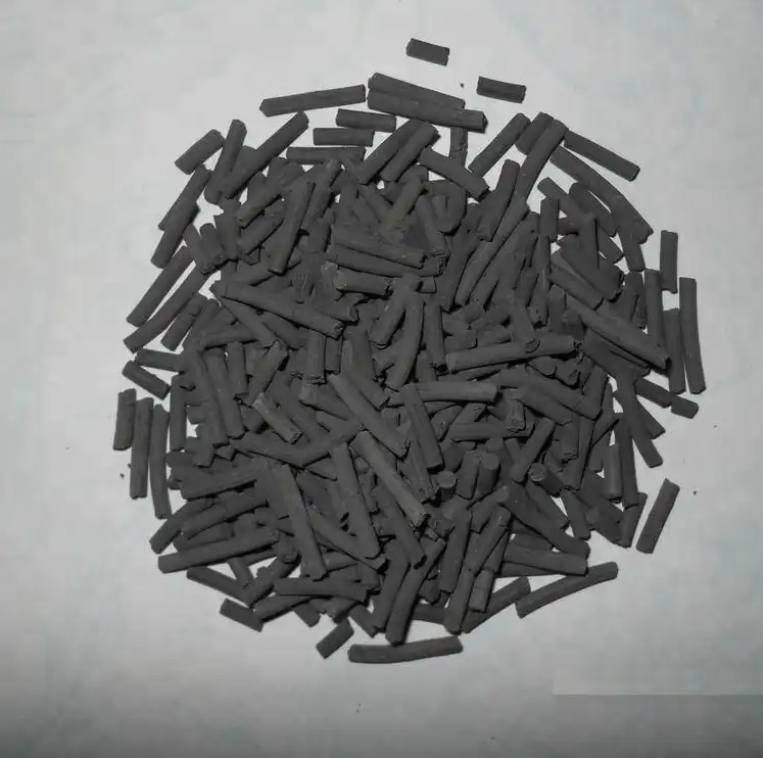
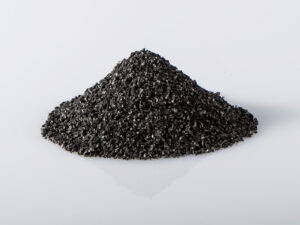
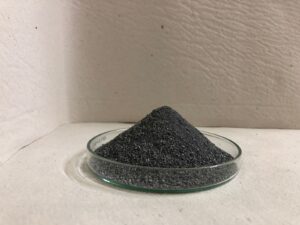
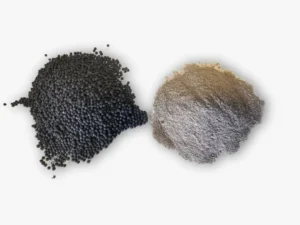
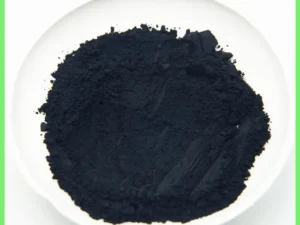
- Form: Fine powder to granular lumps, 50µm–5mm particle size range
- Color: Dark grey to black, depending on carbon content and metal loading
- Bulk Density: 0.8–1.4 g/cm³
- Moisture Content: <5% w/w, vacuum dried available
- Packaging Options: 1 MT jumbo bags with inner PE liner; 25 kg HDPE drums; steel drums for high-value Pd/Pt grades; customized bulk packaging available
- Shelf Life: Indefinite when stored in sealed, dry conditions; re-assay recommended after 24 months
3. Core Industrial Applications
- Primary Industries: Catalyst manufacturers, precious metal refiners, hydrometallurgical processors, stainless steel and alloy producers, chemical recycling plants
- Specific Operational Use Cases: Feedstock for pyrometallurgical or hydrometallurgical recovery of Ni, Pd, Pt, Co; reprocessing into fresh hydrogenation catalysts; alloying agent in specialty steel production; raw material for electronic and battery material supply chains
- Performance vs. Alternatives: Offers 20–40% lower input cost compared to virgin metal concentrates or primary ore; established processing pathways reduce refining complexity versus mixed industrial sludges
- Efficiency, Durability, or Cost Advantages: Enables buyers to hedge against volatile LME metal pricing; reduces carbon footprint by 60–80% versus mined metal equivalents; consistent morphology improves leaching efficiency and metal yield in recovery operations
4. Competitive Advantages
- Quality Consistency: Batch-level assay certification and XRF pre-screening; traceable sourcing from regulated petrochemical partners
- Supply Reliability: Aggregated volumes from multi-site contracts ensure year-round availability; 500–800 MT annual capacity
- Logistics Capability: Global export experience with DGM-compliant documentation; FOB/CIF to major ports in Asia, EU, and North America; bonded warehouse options available
- Price Competitiveness: Indexed to LME with refining charge discounts for long-term offtake; bulk pricing tiers above 100 MT
- Sustainability or Environmental Benefits: Supports Scope 3 emissions reduction and circular economy KPIs; fully compliant with Basel Convention and EU Waste Shipment Regulation; non-hazardous classification available subject to assay
- Technical Support or Documentation: Full MSDS, TDS, assay certificates, process flow compatibility data, and recovery yield guidance provided; dedicated metallurgy support for integration into buyer refining circuits
5. Commercial & Supply Information
- Minimum Order Quantity (MOQ): BULK 20MT
- Loading Capacity (MT per container): 20 MT per 20ft FCL
Reviews
There are no reviews yet.