

Description
-
Product Overview
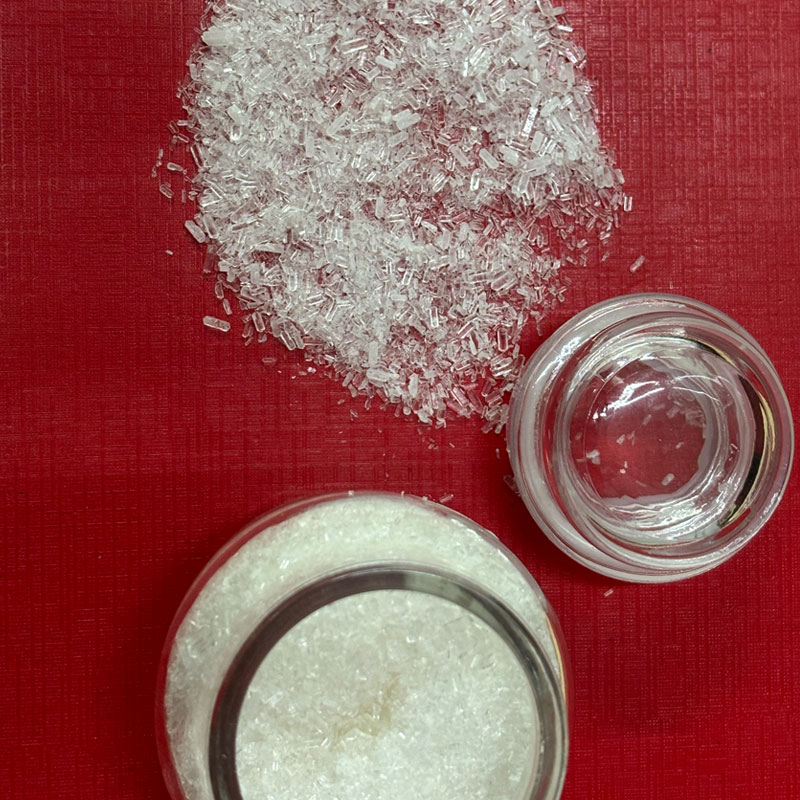
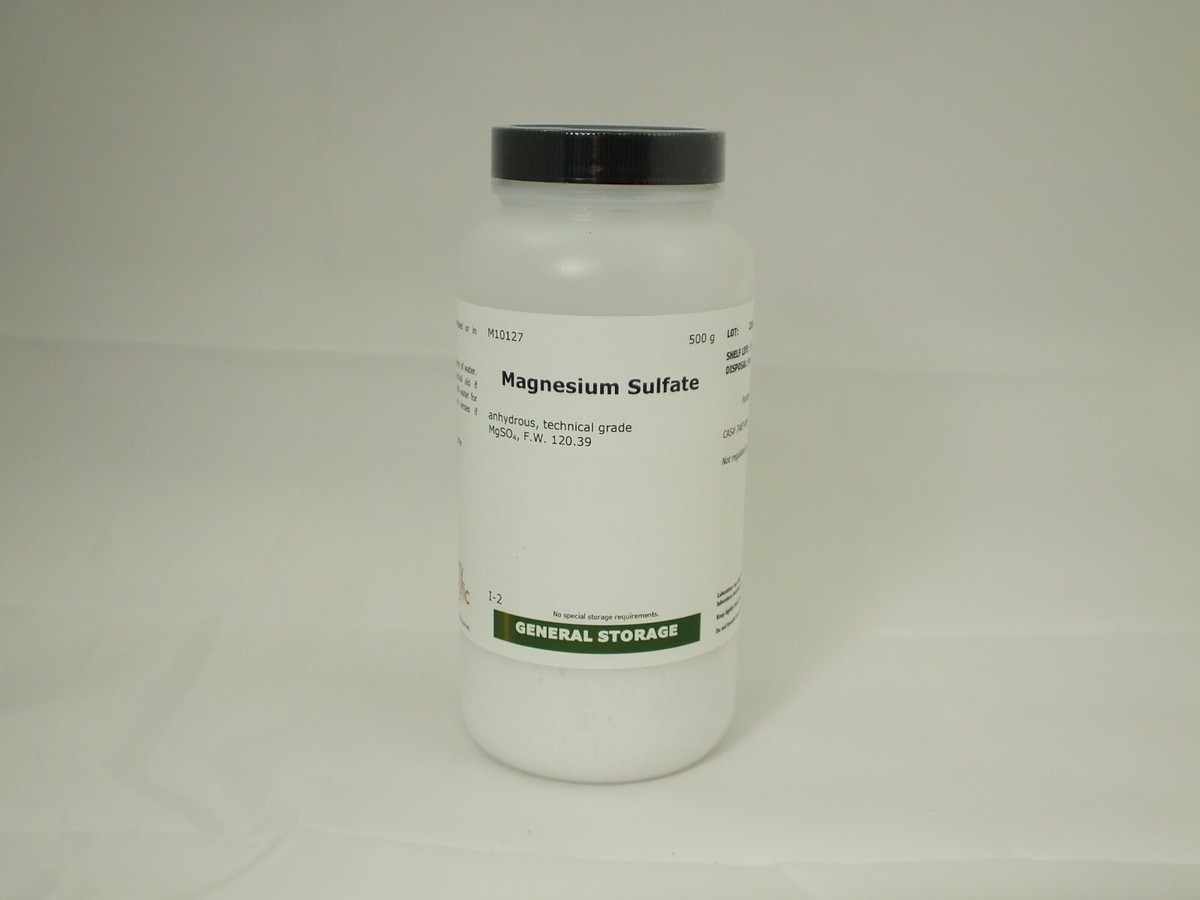
Magnesium Sulphate (MgSO₄) is an inorganic salt delivered as high-purity crystalline granules or powder for industrial use. It functions as a key raw material, reagent, and process additive across chemical manufacturing, water treatment, construction materials, and agricultural inputs. The product offers consistent chemical composition and reliable hydration control that improve process stability, yield predictability, and downstream product quality. Strategically, Magnesium Sulphate is a low-complexity, high-utility commodity whose availability and specification consistency directly reduce operational risk and enable cost-efficient scale-up for industrial customers. -
Key Specifications & Technical Characteristics
-
Chemical composition: Magnesium sulphate (MgSO₄), anhydrous or heptahydrate depending on grade.
-
Typical formula: MgSO₄ – nH₂O (n = 0 for anhydrous, n = 7 for heptahydrate).
-
Purity/grade: Industrial grade 99.0% minimum (custom high-purity grades available on request).
-
Impurities: Specified maximums for Na, Ca, Fe, Cl, SO4-excess, and heavy metals; certificate of analysis supplied per batch.
-
Physical form: Granular crystals or free-flowing powder.
-
Color: White to off-white crystalline.
-
Particle size: Typical distribution 0.2–2.0 mm for granules; <250 µm available for powder grades (custom milling available).
-
Bulk density: Typically 0.9–1.2 g/cm³ (bulk density varies by form and packing).
-
Solubility: Highly soluble in water; solubility increases with temperature.
-
Moisture content: Specified for anhydrous vs. hydrated forms; controlled per grade.
-
Packaging options: 25 kg multiwall kraft bags with inner PE, 500 kg FIBCs (big bags), 1,000–1,200 kg palletized bulk, ISO tanker or bulk loose for specialized logistics.
-
Shelf life: Stable indefinite under dry, ventilated storage; recommended 12–24 months for operational QA tracking. Store in moisture-free conditions to avoid hydration changes.
-
Documentation: Batch Certificate of Analysis (CoA), safety data sheet (SDS), and evidence of traceability provided with shipment.
-
Core Industrial Applications
-
Chemical manufacturing: Used as an intermediate or reagent in production of magnesium compounds, catalysts, and drying agents; delivers consistent stoichiometry for predictable reaction outcomes.
-
Water treatment & wastewater management: Applied as a dosing reagent for hardness adjustment, phosphate precipitation, and as a nutrient supplement in biological treatment; offers fast dissolution and stable dosing characteristics.
-
Construction materials & cement: Employed in specialty mortars and as an additive to control hydration profiles, improve set characteristics, and reduce shrinkage in formulated binders.
-
Agriculture & feed: Source of bioavailable magnesium for foliar and soil applications and as a mineral supplement in livestock feed; provides effective nutrient dosing with predictable purity.
-
Textiles & pulp/paper: Used in processing steps such as dye fixation, pulp treatment, and pH management; improves uniformity and process control versus impure alternatives.
Why it outperforms alternatives: -
Consistent chemical specification and low impurity profile reduce batch-to-batch variability.
-
Fast and complete solubility improves dosing accuracy and reduces downtime.
-
Available in multiple physical forms and particle sizes to match downstream handling and feed systems, lowering processing adjustments and waste.
-
Competitive Advantages
-
Quality consistency: Rigorous QA/QC with per-batch CoA and tight impurity controls to meet industrial tolerances.
-
Supply reliability: Sourced and managed for bulk continuity with forward stocking options and contracted allocations for high-volume buyers.
-
Logistics capability: Flexible packaging and containerized/bulk loading options to optimize transport cost and minimize handling for large-scale operations.
-
Price competitiveness: Commodity-scale sourcing combined with optimized logistics reduces landed cost versus small-scale suppliers.
-
Sustainability: Options for lower-carbon logistics, bulk packing to reduce packaging waste, and traceable sourcing documentation to support customer ESG reporting.
-
Technical support: Application guidance, SDS, CoA, and on-request lab support for specification tailoring and troubleshooting during scale-up.
Positioning: Market-ready specification and dependable logistics make Magnesium Sulphate a strategic sourcing decision to reduce production variability, lower total cost of ownership, and secure uninterrupted operations.
-
Commercial & Supply Information
-
Minimum order quantity (MOQ): BULK 20MT
-
Typical loading capacity: 20 MT per 20-foot container (bulk palletized or loose), up to 24–25 MT for optimized packing in 20-foot containers depending on packaging choice; up to 26–27 MT in 40-foot containers for palletized shipments depending on packaging and container limits.
-
Lead times: Available upon request based on stock and contract terms; forward stocking and scheduled deliveries available for large contracts.
-
Shipping terms: FOB, CIF, or DAP configurable per customer procurement policy; export documentation and CoA supplied with each shipment.




Reviews
There are no reviews yet.