
Description
-
Product Overview
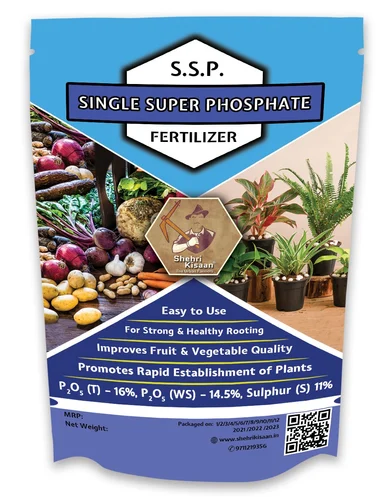
Single Super Phosphate (SSP) is a concentrated phosphorus fertilizer produced by reacting phosphate rock with sulfuric acid to yield a water-soluble source of phosphate and calcium sulfate. It is primarily used in large-scale agriculture and horticulture to correct phosphorus deficiencies, improve root development, and support early crop vigor. The product delivers a cost-effective balance of readily available phosphate and secondary calcium, enabling predictable nutrient uptake and improved soil structure. Strategically, SSP is important for bulk procurement programs, fertilizer blending operations, and regions with acidic soils where combined P and Ca amendments reduce risk and simplify logistics. -
Key Specifications & Technical Characteristics
-
Chemical composition: Available Phosphate (P2O5) typically 16–18% (water-soluble), Calcium as CaO 20–22%, Sulfate (SO3/SO4) ~14–18%.
-
Active ingredient: Mono-calcium phosphate and gypsum (calcium sulfate) matrix.
-
Purity / grade: Industrial/agronomic fertilizer grade, free from process contaminants above trace ppms; conforms to industry agronomic standards.
-
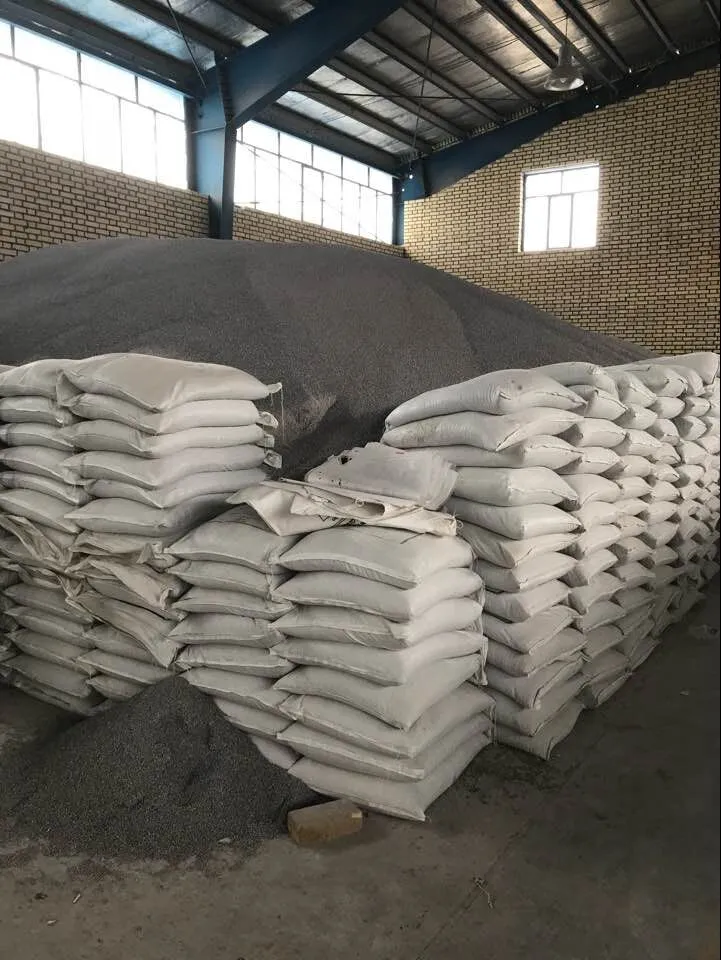
Physical form: Granular or fine powder (prilled) options available.
-
Color: Pale gray to off-white, depending on feedstock.
-
Particle size: Granular: 2–4 mm typical; Powder: D90 < 250 µm (custom sieving available).
-
Bulk density: Granular: 900–1,100 kg/m3; Powder: 700–900 kg/m3 (bulk density varies by moisture and particle size).
-
Moisture content: Typically < 3–5% on dispatch; moisture-controlled for long-term storage.
-
pH (aqueous slurry): Acidic (typically 1.5–3.5) due to residual acidity—handled per safety guidelines.
-
Impurities: Trace heavy metals maintained below regulatory thresholds; analysis certificate provided per lot.
-
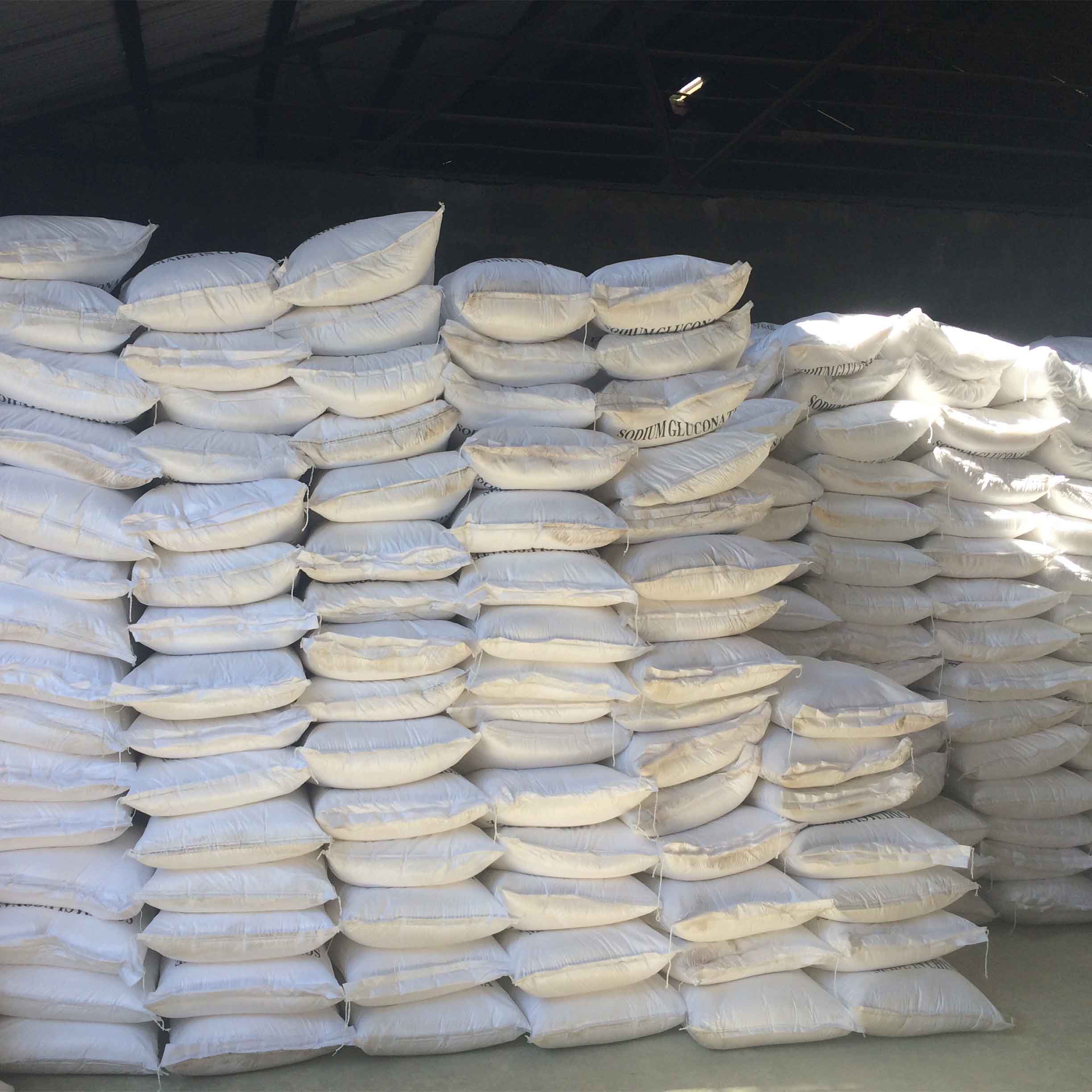
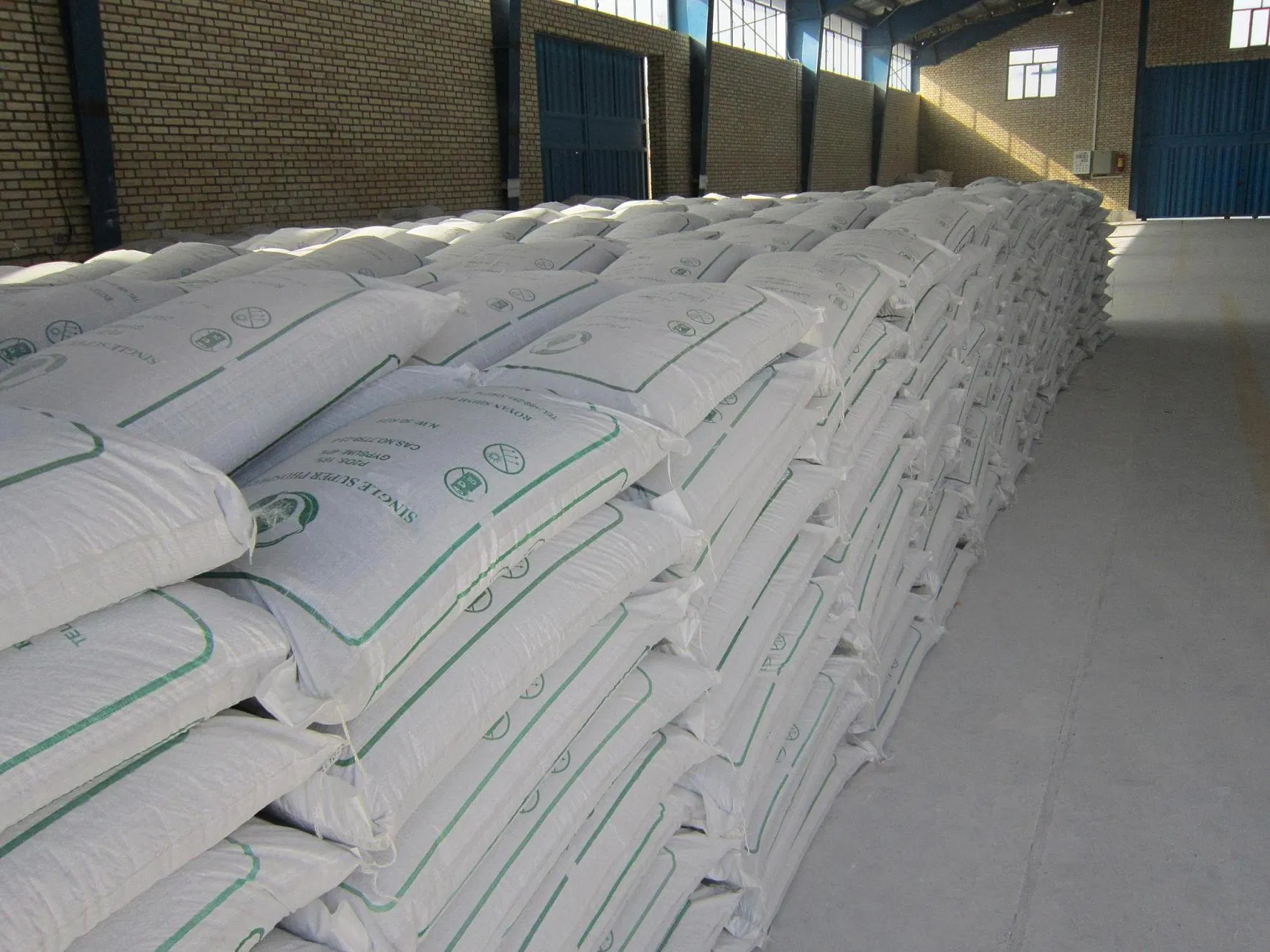
Packaging options: 25 kg woven polypropylene bags with PE liner; 50 kg bags; 1 MT jumbo (FIBC) bags; bulk loose in hopper trucks or bulk ships.
-
Shelf life: Stable for 12–24 months when stored dry and covered; recommend first-in, first-out for bulk programs.
-
Certifications & documentation: Certificate of Analysis (CoA), Safety Data Sheet (SDS), material declaration available on request.
-
Core Industrial Applications
-
Primary industries: Commercial agriculture (row crops, cereals, oilseeds), fertilizer blending and formulators, horticulture and nurseries, government bulk procurement for soil fertility programs.
-
Specific operational use cases: Basal application in seedbed preparation; banding/phosphate placement for row crops; blending feedstock for NPK compound fertilizers; reclamation and soil amendment projects requiring simultaneous P and Ca input.
-
Performance vs alternatives: SSP provides both immediately available phosphate and calcium in a single material, reducing the need for separate Ca amendments versus straight superphosphate or rock phosphate. Compared with rock phosphate (low solubility), SSP delivers more predictable early-season P availability; compared with triple superphosphate (TSP), SSP offers cost and secondary nutrient (Ca, S) benefits that are valuable in acidic or sulfur-deficient soils.
-
Commercial relevance: Simplifies logistics by combining nutrients, lowers handling complexity for large-scale fertilizer programs, and supports blending operations with consistent reactivity and predictable bulk density for automated feeders.
-
Competitive Advantages
-
Quality consistency: Tight lot-to-lot specification control, batch CoA supplied to ensure agronomic performance and regulatory compliance.
-
Supply reliability: Established sourcing of phosphate rock and integrated acidulation process with prioritized allocations for bulk contracts; capable of sustained multi-kiloton monthly deliveries.
-
Logistics capability: Multiple packing formats, bulk-loading infrastructure, and experienced export operations from Buea region; coordinated inland and seaport forwarding for global distribution.
-
Price competitiveness: Optimized production and simplified nutrient profile deliver lower per-nutrient cost versus high-concentration P products when Ca and S are also required.
-
Sustainability benefits: Efficient use of regional feedstocks reduces transport footprint for proximate markets; production can be aligned with sulfur use-efficiency to reduce separate S fertilizer needs.
-
Technical support: Product technical datasheets, agronomic blending guidance, application rate recommendations, and on-request lab analysis for large orders to support formulators and procurement teams.
-
Risk management: Traceability and documentation for regulatory inspections, and tailored packing to mitigate moisture uptake during transit.
-
Commercial & Supply Information
-
Minimum order quantity (MOQ): BULK 20 MT.
-
Typical container loading capacity: 20-foot container: up to 20 MT (bagged, depending on bulk density and packing); 40-foot high-cube: up to 24–26 MT (bagged). For bulk loose shipments: up to ~22–24 MT per 20 ft equivalent hold depending on stowage and moisture.
-
Lead times: Available on request; standard lead time for bulk orders 14–28 days from order confirmation depending on order size and destination.
-
Delivery terms: FOB, CIF, or ex-works available; flexible packing solutions for long-term contracts.
-
Documentation: Commercial invoice, packing list, CoA, SDS, phytosanitary/commodity declarations as applicable.
Reviews
There are no reviews yet.