
Description
-
Product Overview
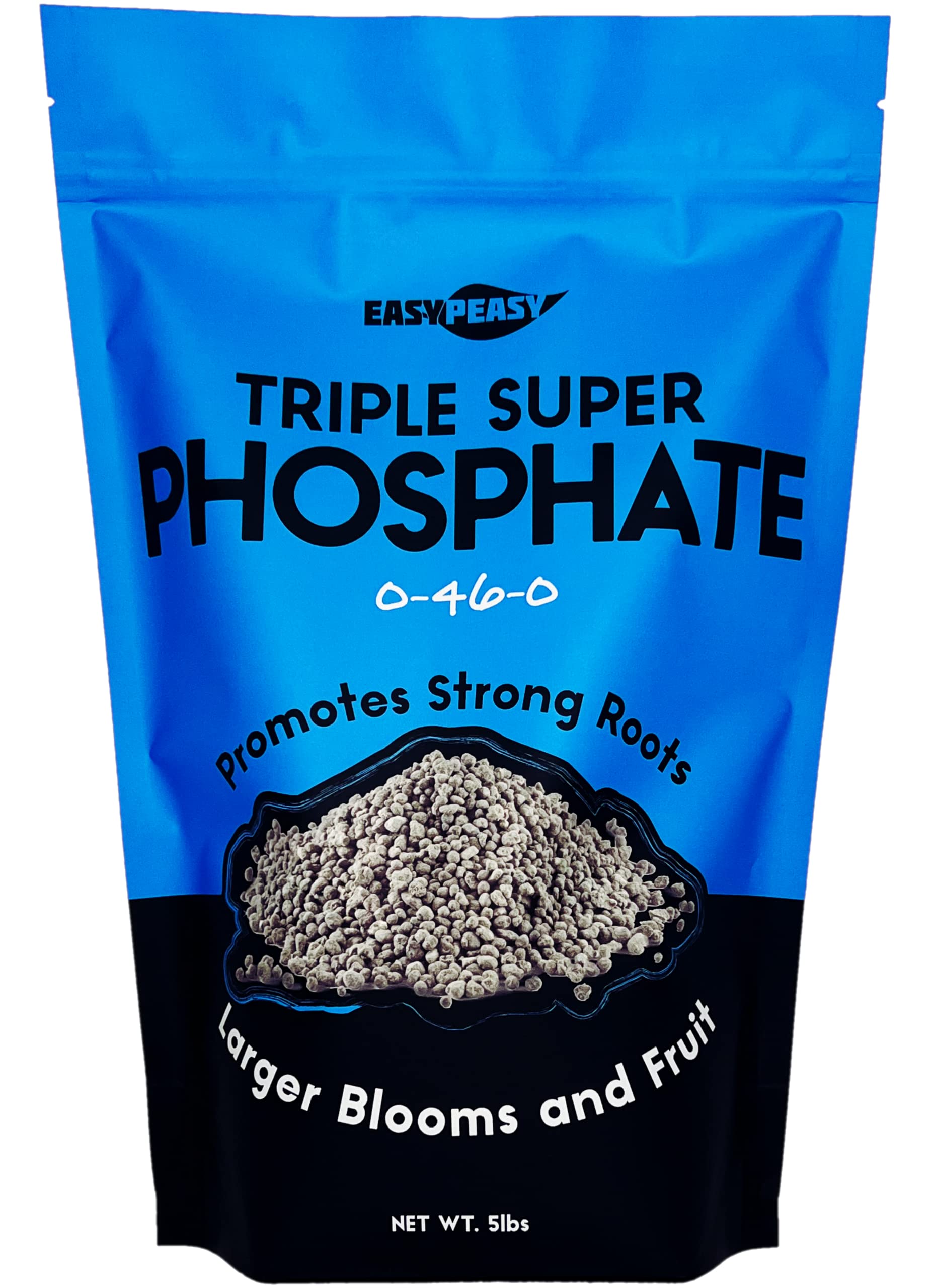
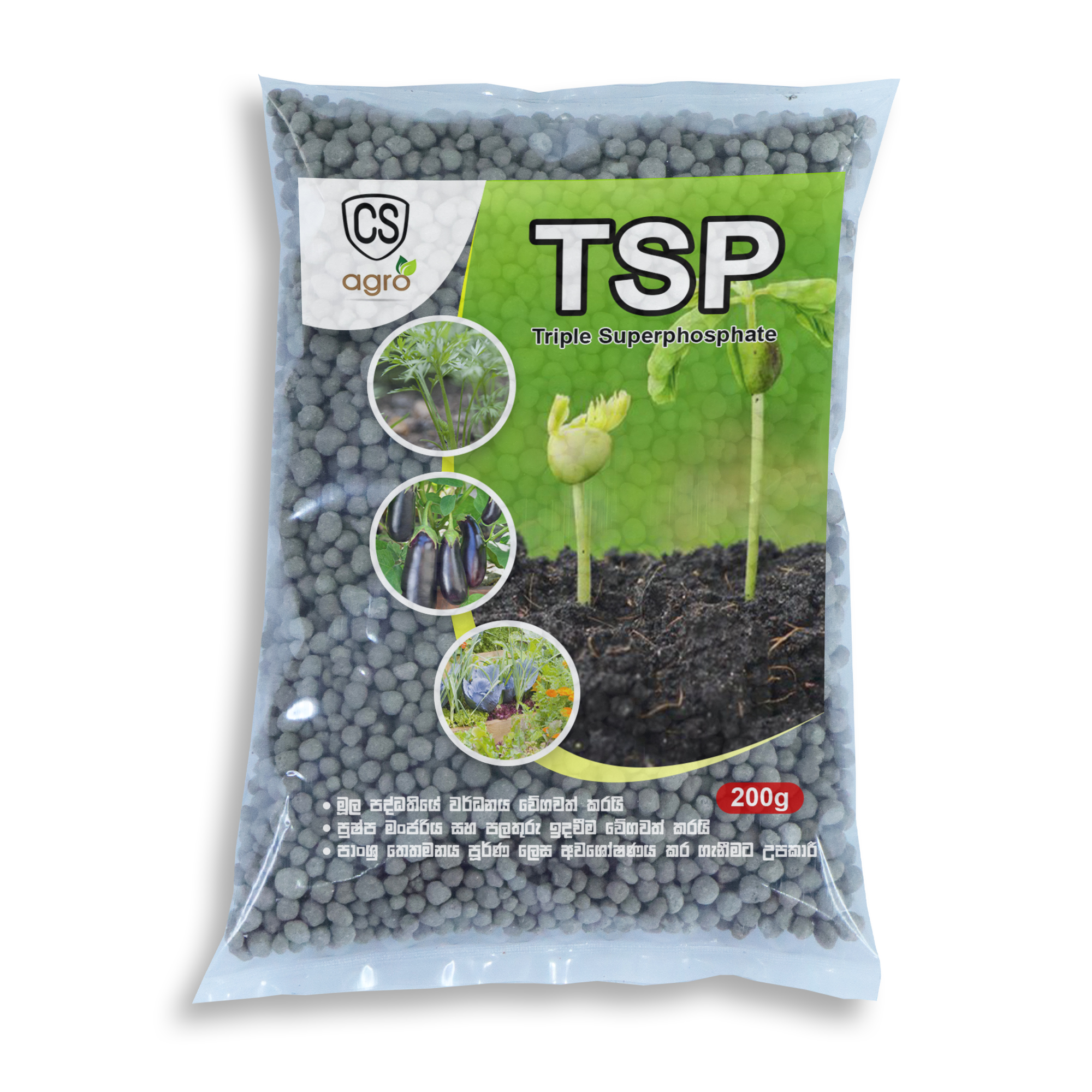
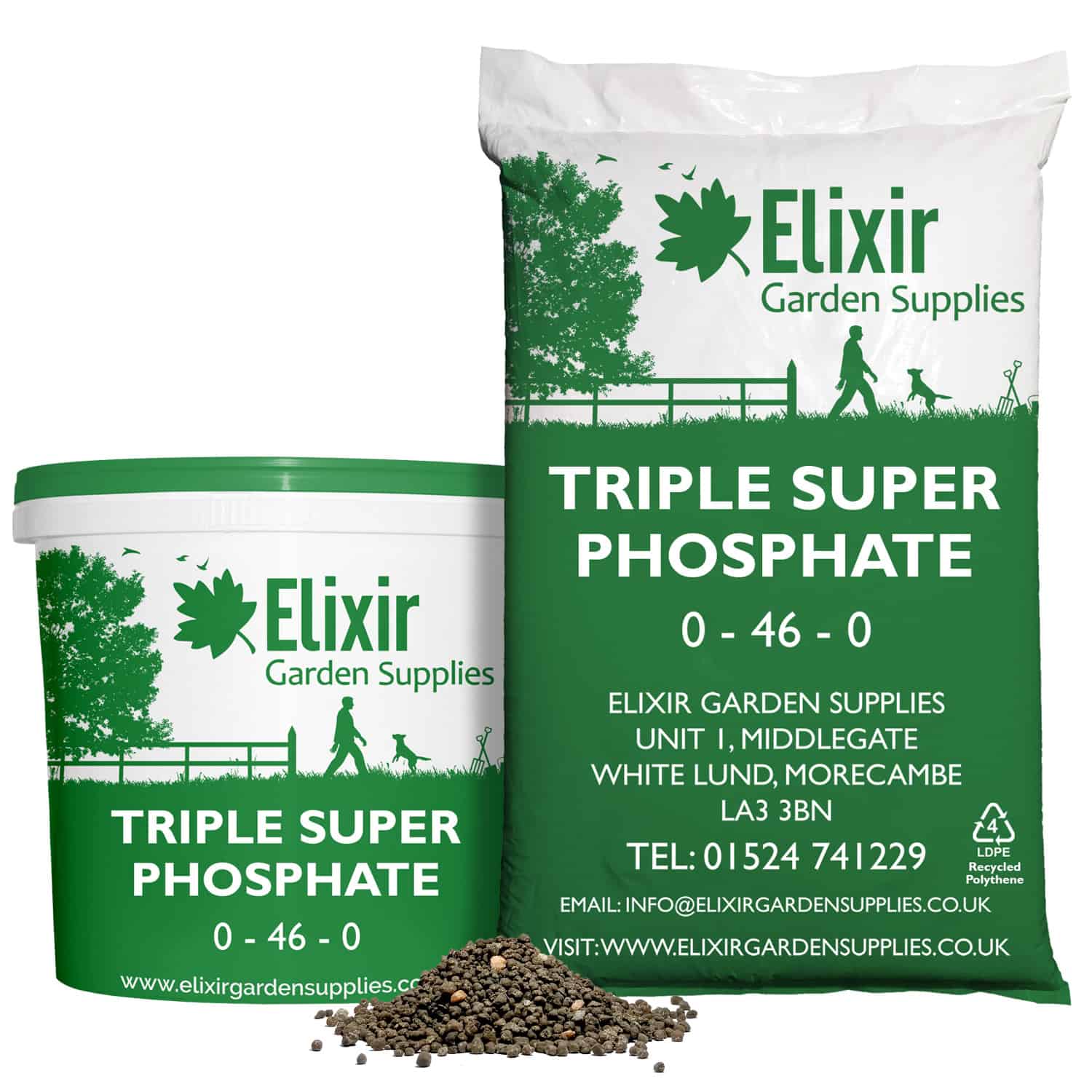
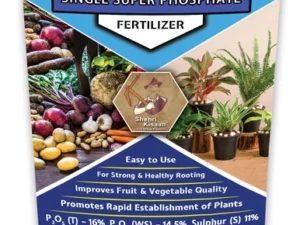
Triple Super Phosphate (TSP) is a high-concentration phosphate fertilizer produced by treating phosphate rock with phosphoric acid to yield a soluble, readily plant-available source of phosphorus. Its primary industrial use is as a starter and maintenance fertilizer in large-scale agriculture, horticulture, and commercial turf management where rapid phosphorus uptake is required for root development and early crop vigor. The key value proposition is a high available P2O5 content that delivers predictable nutrient response, enabling higher yields, improved fertilizer-use efficiency, and optimized nutrient planning. Strategically, TSP is a cornerstone input for food production chains and fertilizer blends, making it essential for crop productivity, formulation plants, and national nutrient-security programs. -
Key Specifications & Technical Characteristics
-
Chemical composition: Predominantly monocalcium phosphate (primary), with remaining calcium sulfate and minor residual phosphoric acid.
-
Guaranteed available P2O5: Typical range 44–46% available P2O5 (adjustable by grade specification).
-
Total P2O5: Typically 46–48% (subject to final assay).
-
Moisture content: ≤ 2.0% (customizable to buyer spec for storage/climate).
-
Water-soluble phosphate: ≥ 95% of total P2O5.
-
Heavy metals: Specified to meet industrial thresholds (lead, cadmium, mercury limits available on request).
-
Physical form: Granular / powdered options available.
-
Bulk density: Granular ~1.1–1.3 g/cm³; powder varies by grind.
-
Particle size (granular): 2–4 mm typical; custom sizing on contract.
-
Color and appearance: Off-white to light gray/beige, uniform granular matrix.
-
pH (aqueous suspension): Slightly acidic due to free phosphates; measured per buyer protocol.
-
Packaging options: Bulk loose (BULK 20MT), 50 kg woven polypropylene bags (palletized), 25 kg bags, or jumbo bags (1 MT) per client logistics plan.
-
Shelf life: Stable under dry storage for 12–24 months; recommended dry, ventilated storage to avoid caking and moisture uptake.
-
Quality control: Supplied with Certificate of Analysis (COA) and batch-level testing for P2O5, moisture, particle size, and contaminants.
-
Core Industrial Applications
-
Agriculture (commercial row crops, cereals, oilseeds): Used as a starter placement or band-applied phosphorus source to promote early root establishment and yield potential.
-
Fertilizer blending and granulation plants: Core input for NPK and compound fertilizer formulations where high P2O5 loading is required.
-
Horticulture and nurseries: Precision phosphorus dosing for potted media, transplant operations, and greenhouse production.
-
Turf and landscape management: Rapid phosphorus availability for sports fields, golf courses, and professional landscaping to improve root density and recovery.
-
Soil remediation and reclamation projects: Employed where phosphate enrichment is required to restore degraded soils or support revegetation.
Why it outperforms alternatives: -
Higher available phosphorus concentration per tonne than single superphosphate or raw rock phosphate, reducing handling and transport cost per unit of available P.
-
High water solubility ensures faster plant uptake and more predictable plant response than lower-solubility sources.
-
Consistent, predictable assay and particle distribution reduce variability in blending operations and application equipment.
-
Competitive Advantages
-
Quality consistency: Batch-tested manufacturing with COA and traceability to source rock and acid feedstocks.
-
Supply reliability: Long-term production contracts and inventory staging ensure stable supply for seasonal demand peaks.
-
Logistics capability: Flexible packing (bulk, sacks, jumbo) and container loading plans; expertise in export documentation and hazard classification for smooth cross-border shipments.
-
Price competitiveness: High P2O5 concentration lowers cost per kg of available phosphorus versus lower-grade alternatives; volume pricing and contract terms available.
-
Sustainability considerations: Options for reduced-impurity sourcing and compliance with regional heavy-metal thresholds; opportunities to source phosphate rock from certified mining operations on request.
-
Technical support: Agronomic guidance, blend formulation support, COA, and SDS provided; on-request field application recommendations and compatibility data for blending operations.
-
Commercial & Supply Information
-
Minimum order quantity (MOQ): BULK 20MT.
-
Typical loading capacity: 20 MT per 20-foot container (bulk loose with suitable liner), up to 24–25 MT per 20-foot container if density and local regulations permit; 24–26 MT per 20-foot reefer/containerization with palletized bags depending on packaging and weight distribution. Buyer should confirm final loading plan with seller prior to shipment.
Reviews
There are no reviews yet.