
Description
-
Product Overview
Zinc Sulphate (ZnSO₄) is a high-purity inorganic salt widely used across agriculture, chemical manufacturing, water treatment, and metal-processing industries. Its primary industrial use is as a source of bioavailable zinc for fertilizers and animal feed, a coagulating and flocculating agent in water treatment, and a feedstock or process additive in galvanizing, electroplating, and pigment production. The key value proposition is reliable, specification-grade zinc content that delivers consistent performance, improved process yields, and predictable handling characteristics. Strategically, Zinc Sulphate reduces operational variability and regulatory risk for large-scale formulators and industrial users by providing a standardized zinc source that optimizes downstream chemistry and compliance. -
Key Specifications & Technical Characteristics
-
Chemical composition: Zinc sulfate heptahydrate or monohydrate available (ZnSO₄·7H₂O or ZnSO₄·H₂O).
-
Active zinc (Zn) content: Typical ranges available on request; standard commercial grade ~22–23% Zn (heptahydrate); technical grades customizable.
-
Purity/grade: Industrial grade and technical/AGRO grades available; assay typically ≥98% (ZnSO₄ basis) for technical grade; analytical certificates supplied on request.
-
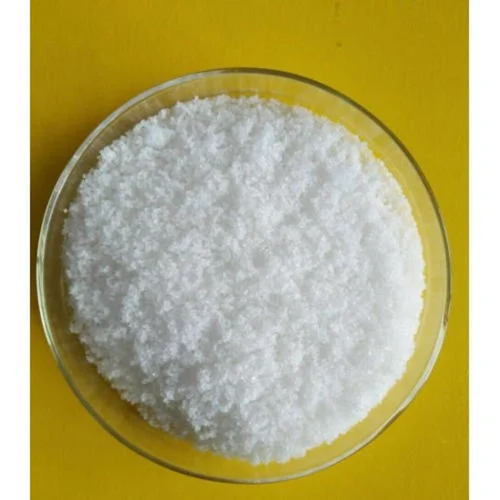
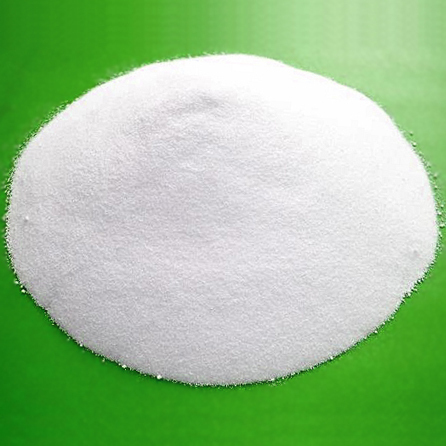
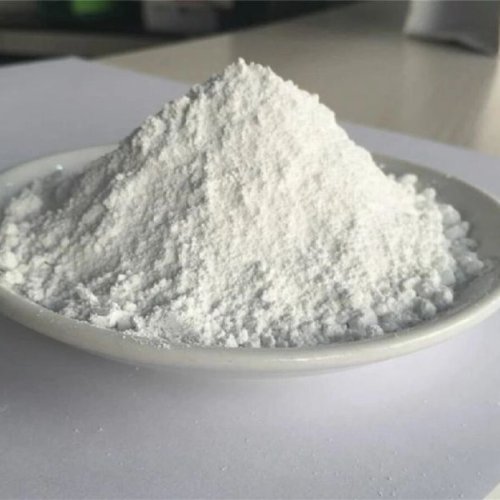
Physical form: Crystalline powder or granules; free-flowing flakes available for specific applications.
-
Color: White to off-white crystals or powder.
-
Particle size: Standard granulation (e.g., 0.5–2.0 mm) or fine powder options (<150 µm) for solubility-sensitive processes; custom milling available.
-
Bulk density: Typical 0.9–1.2 g/cm³ (dependent on hydration state and particle size).
-
Solubility: Highly soluble in water; rapid dissolution characteristics for liquid feedstocks and foliar spray preparations.
-
pH (aqueous solution): Slightly acidic; exact pH depends on concentration.
-
Moisture content: Specified per grade (heptahydrate contains bound water; free moisture controlled for consistency).
-
Impurities/trace metals: Controlled to industrial limits; heavy metals (Pb, Cd, Hg, As) below regulatory thresholds; detailed impurity profile available with COA.
-
Packaging options: 25 kg kraft/poly bags, 500 kg FIBCs (big bags), 1 MT bulk bags, or bulk tanker/loose bulk for 20 MT+ shipments. Internal polyethylene liners available on request.
-
Shelf life/storage: Stable under dry, cool conditions; recommended storage in sealed, moisture-controlled environment; typical shelf life 24 months when stored per recommendations.
-
Documentation: Certificate of Analysis (COA), Safety Data Sheet (SDS), and export compliance documentation provided with each shipment.
-
Core Industrial Applications
-
Fertilizer & Agriculture: Used to correct zinc-deficient soils via granular or soluble formulations; ideal for compound NPK blends, foliar sprays, and micronutrient fertilizers. Delivers predictable bioavailability and uniform blending performance versus lower-grade zinc sources.
-
Animal Feed & Veterinary: Incorporated into premixes and mineral supplements to meet trace-element requirements; consistent assay reduces formulation error and ensures regulatory compliance.
-
Water Treatment & Wastewater: Acts as a coagulant/flocculant aid and corrosion-inhibiting additive in specific dosing regimes; higher solubility and predictable ionic release improve process control compared with insoluble zinc salts.
-
Galvanizing & Metal Finishing: Feedstock in pickling, electroplating baths, and surface-treatment chemistries; purity reduces bath contamination and extends bath life.
-
Chemical Intermediates & Pigments: Raw material for producing zinc-based pigments, catalysts, and reagents where impurity control is critical to product quality.
-
Industrial Manufacturing: Used in ceramic glazes, textile processes, and rubber additives; consistent physical form and moisture profile enable automated dosing and blending.
Why it performs better: -
Consistent assay and controlled impurity profile minimize batch-to-batch variability.
-
Wide range of physical forms (granules, powder, flakes) enables optimization for solubility, flow, and handling in specific processes.
-
Competitive solubility and predictable dissolution kinetics improve process efficiency and reduce waste.
-
Competitive Advantages
-
Quality consistency: Tight manufacturing controls and COA-backed batches reduce formulation risk and rework.
-
Supply reliability: Bulk production capacity with scalable allocations and safety stock to support continuous operations and seasonal demand.
-
Logistics capability: Flexible packaging, containerized and bulk shipment options, and partnerships with global freight providers for on-time delivery.
-
Price competitiveness: Economies of scale and streamlined supply-chain sourcing deliver competitive unit pricing for large-volume purchasers.
-
Sustainability: Options for lower-impact sourcing and optimized packaging to reduce waste; compliance-ready documentation for regulatory and sustainability auditing.
-
Technical support: Dedicated technical datasheets, application guidance, and laboratory support for blend optimization, solubility testing, and impurity troubleshooting.
Positioning: Purchased as a strategic raw material to stabilize production costs, improve product performance, and simplify regulatory compliance for enterprise buyers.
-
Commercial & Supply Information
-
Minimum order quantity (MOQ): BULK 20 MT.
-
Loading capacity (per 20-ft container): approximately 20 MT (standard bulk/packaged load); per 40-ft container: approximately 24–26 MT depending on packaging and palletization.
-
Typical lead time: Available on request; lead times vary by destination, packaging, and order volume.
-
Incoterms: FOB, CIF, or DAP available; pricing and logistics tailored to buyer requirements.
-
Documentation: COA, SDS, packing list, commercial invoice, and export compliance documentation provided with shipment.

Reviews
There are no reviews yet.