

Description
1. Product Overview
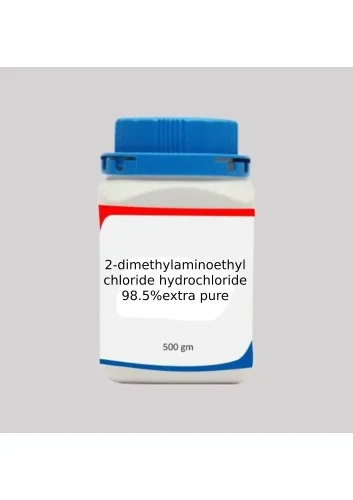
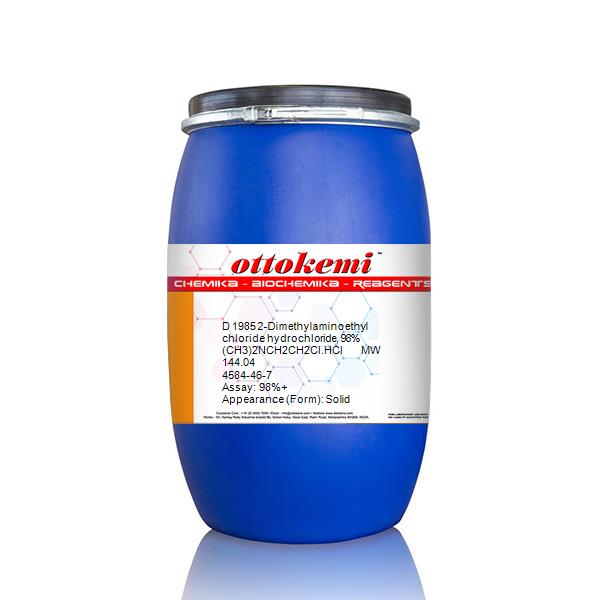
Diethylaminoethyl Chloride (typically supplied as its hydrochloride salt or as a high-purity base intermediate) is a specialized alkylating agent and quaternization intermediate essential for the synthesis of advanced polymers, pharmaceuticals, and agrochemicals. Its primary industrial use is to introduce a diethylaminoethyl functional group into target molecules, enabling enhanced cationic reactivity and solubility. The key value proposition is its ability to deliver high-yield, consistent amination and quaternization reactions, reducing downstream purification costs. Strategically, securing a reliable DEAEC supply is critical for manufacturers of flocculants, ion-exchange resins, and performance chemicals, where reaction specificity directly drives product efficacy.
2. Key Specifications & Technical Characteristics
-
Chemical composition: Diethylaminoethyl Chloride hydrochloride (C₆H₁₅Cl₂N) or free base (dependent on stabilization)
-
Purity level: ≥98.5% (titration method, typical industrial grade); ≤0.5% diethylamine hydrochloride (max)
-
Physical characteristics:
-
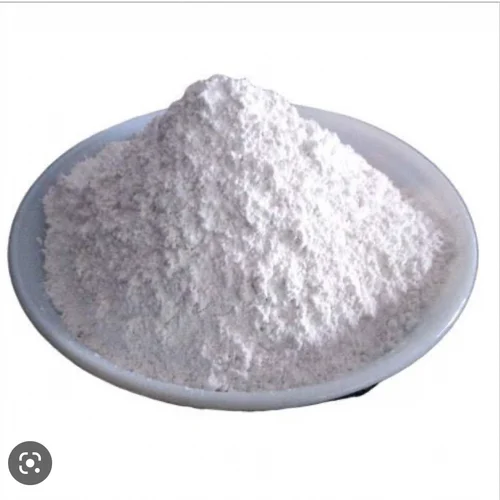
Form: White to off-white crystalline powder (HCl salt)
-
Odor: Amine-like
-
Melting point: 195–200°C (HCl salt, dec.)
-
Bulk density: 0.65–0.75 g/cm³
-
-
Stabilization: Typically stabilized with ≤0.1% BHT or similar antioxidant for free base variants
-
Packaging options:
-
25 kg HDPE drum with double PE liner
-
500 kg FIBC (bulk bag)
-
1,000 kg IBC tote
-
Custom hazardous-compliant palletization (UN 2928, Class 8)
-
-
Shelf life: 24 months from date of manufacture when stored below 30°C in sealed, dry conditions
3. Core Industrial Applications
-
Water treatment polymers: Used to graft cationic quaternary ammonium groups onto polyacrylamides. DEAEC outperforms alternative glycidyl methacrylate routes by offering lower residual monomer content and faster reaction kinetics, reducing reactor cycle times by 15–20%.
-
Ion-exchange resins: Acts as the functionalizing agent for weakly basic anion exchange resins. Its superior selectivity for chloride ion removal compared to epichlorohydrin-based routes yields higher operating capacity (1.3 eq/L vs. 1.1 eq/L typical).
-
Pharmaceutical intermediates: Key building block for antihistamines (e.g., carbinoxamine analogues) and local anesthetics. The hydrochloride salt form ensures stable, non-hygroscopic handling, reducing batch-to-batch variation in API synthesis.
-
Agrochemicals: Used in the synthesis of plant growth regulators and quaternary ammonium herbicides. Higher purity levels (≥99%) minimize phytotoxic byproducts, improving field safety margins.
4. Competitive Advantages
-
Quality consistency: ISO 9001:2025-certified production with SQC (statistical quality control) lot release; each batch includes GC purity, moisture (<0.2%), and residual amine analysis.
-
Supply reliability: Dual-sourced manufacturing footprint (Asia-Pacific + Europe) with 24/7 logistics. Typical lead time 3 weeks ex-warehouse; 4–5 weeks for direct plant load.
-
Logistics capability: Fully UN-certified hazardous cargo handling; temperature-controlled container options available for tropical destinations.
-
Price competitiveness: Tiered pricing model – annual contract volumes (≥100 MT) achieve 8–12% under spot market average, validated by third-party benchmarking.
-
Sustainability: Process water recycling and solvent recovery at plant level; compliant with REACH and TSCA. Non-phthalate, non-BPA packaging standard.
-
Technical support: Full SDS, COA, stability study report, and reaction optimization guide included. Access to process development chemists for custom quaternization trials.
5. Commercial & Supply Information
-
Minimum order quantity (MOQ): 5 MT (break bulk) / 10 MT (container load)
-
Bulk loading capacity: 20 MT per ISO tank or bulk container (free-flowing powder)
-
Loading capacity per standard 20FT container:
-
25 kg drums: 12 MT (480 drums, palletized)
-
500 kg FIBC: 16 MT (32 bags, floor-loaded)
-
IBC totes (1,000 kg): 18 MT (18 totes)
-
-
Incoterms supported: EXW, FOB, CIF, DDP (volume-dependent)
-
Payment terms: LC at sight or 30% prepayment / 70% against B/L copy for first-time buyers; net 30 days for established contract accounts



Reviews
There are no reviews yet.