


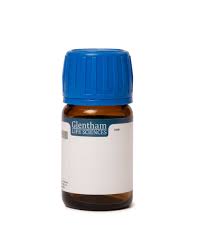

Description
1. Product Overview
2,6-Dimethylphenol is a high-performance chemical intermediate characterized by two methyl groups positioned ortho to the phenolic hydroxyl group. It is primarily used in the synthesis of polyphenylene oxide (PPO/PPE) engineering plastics, epoxy resin modifiers, and select pharmaceutical building blocks. The key value proposition is its ability to impart thermal stability, flame retardancy, and dimensional precision in finished polymers. Strategically, it is critical as global demand rises for lightweight, heat-resistant materials in EVs, 5G infrastructure, and industrial electronics.
2. Key Specifications & Technical Characteristics
-
Chemical composition: C₈H₁₀O (2,6-Xylenol), CAS 576-26-1
-
Purity grade: ≥99.0% (GC), pharmaceutical/intermediate grade available at 99.5%+
-
Physical form: White to off-white crystalline solid
-
Melting point: 48–50°C
-
Boiling point: 203°C
-
Density: ~1.14 g/cm³ at 20°C
-
Packaging options: 25 kg woven bags with PE liner, 500 kg FIBC, or 200 kg net steel drums
-
Shelf life: 24 months in original unopened packaging, stored below 30°C in dry, ventilated area
3. Core Industrial Applications
-
Engineering plastics (PPO/PPE resins): Used as the monomer for oxidative coupling polymerization → yields thermoplastics with high heat deflection temperature (up to 190°C) and low moisture absorption, outperforming polycarbonate and ABS in wet-thermal cycling.
-
Epoxy resin modifiers: Imparts rigidity and flame retardancy without plasticizers → preferred in PCB laminates for automotive and aerospace electronics.
-
Agrochemical intermediates: Building block for certain pyrethroid-type insecticides and fungicides → higher regioselectivity than cresol analogs reduces byproduct waste.
-
Pharmaceutical synthesis: Key precursor for ambroxol (mucolytic agent) and other local anesthetics → consistent impurity profile ensures regulatory compliance.
Performance advantage: Lower ortho-substitution variability compared to mixed cresols → predictable reaction kinetics and higher final polymer molecular weight.
4. Competitive Advantages
-
Quality consistency: Batch-to-batch purity variation <0.2% via continuous distillation and real-time GC monitoring; residual phenol <50 ppm.
-
Supply reliability: Dedicated production line with 5,000 MT/year capacity; safety stock held in three regional hubs (Asia, EU, NA).
-
Logistics capability: UN 3145-compliant packaging; hazardous cargo documentation and ISPM 15 pallets standard.
-
Price competitiveness: Direct-from-manufacturer pricing for ≥20 MT orders, with volume-based quarterly rebates.
-
Sustainability: Biodegradable classification; production process recovers and recycles >90% of process solvents.
-
Technical support: SDS, COA, and TDS available on request; formulation troubleshooting via in-house polymer lab.
5. Commercial & Supply Information
-
Minimum order quantity (MOQ): 20 MT (bulk) per shipment
-
Loading capacity: 20 MT per 20’ FCL (18–20 MT nett depending on packaging type; FIBC: 20 MT max)


Reviews
There are no reviews yet.