
Description
1. Product Overview
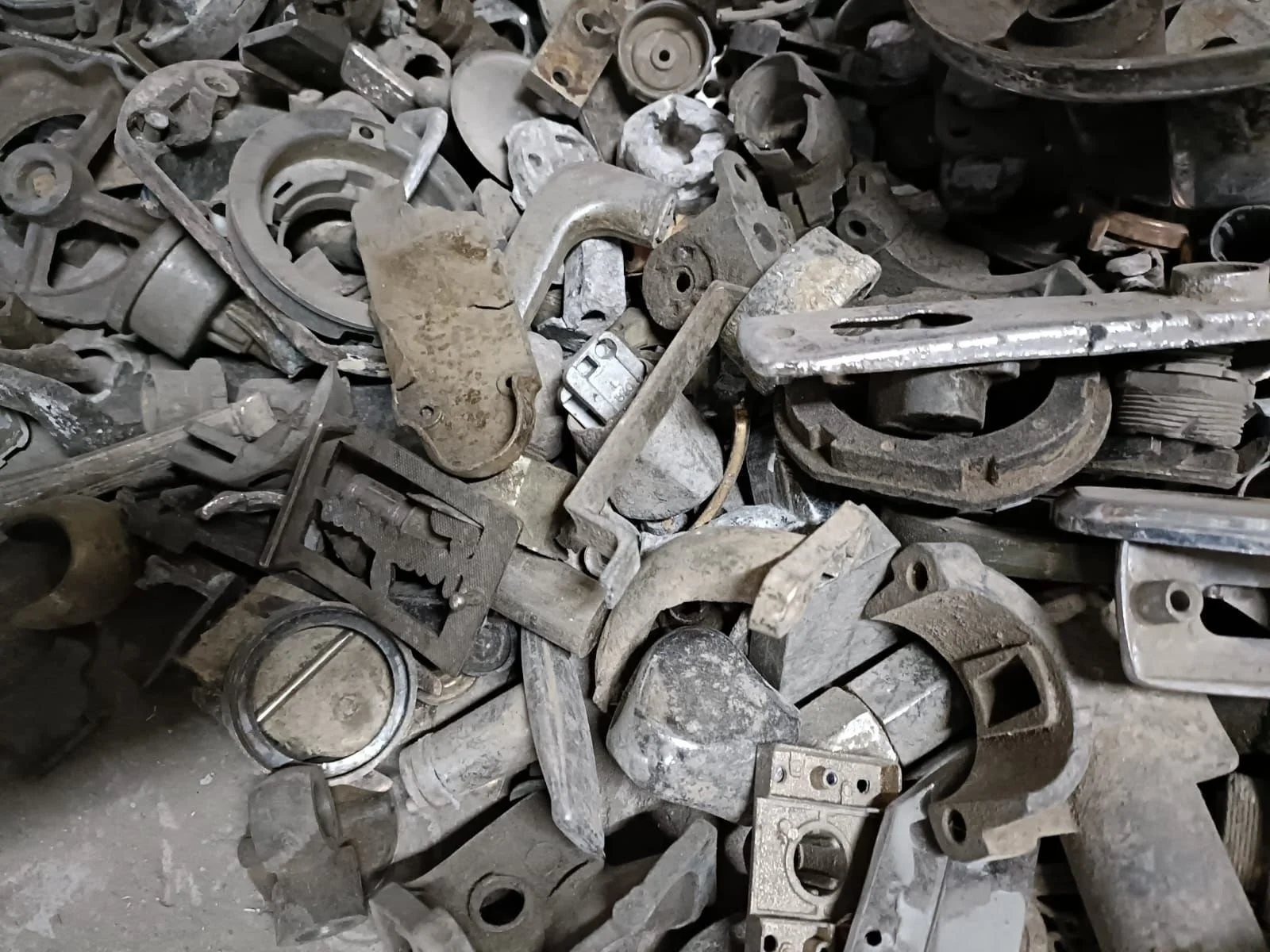
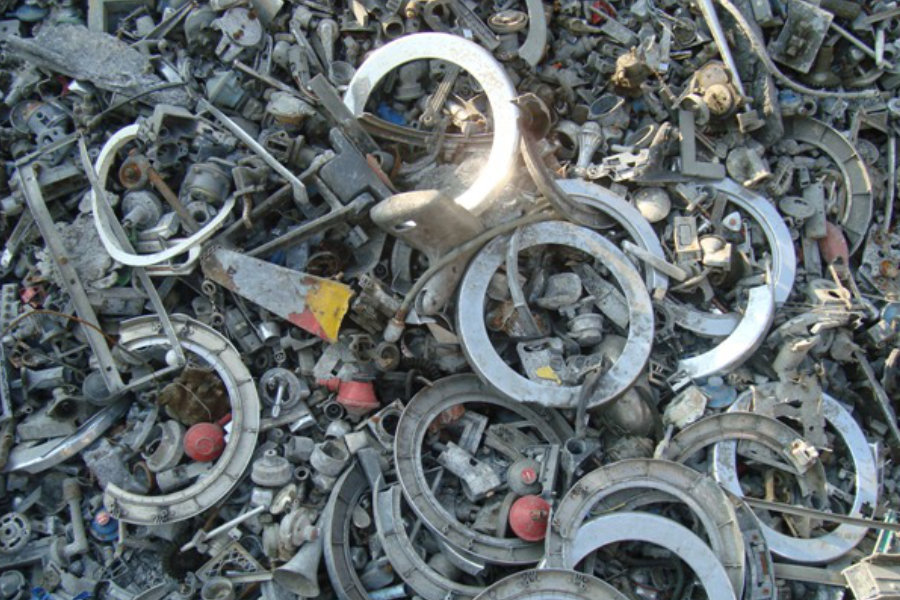
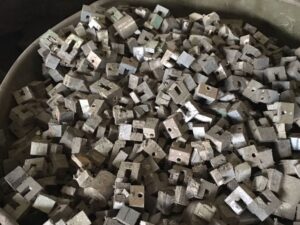
Zinc Scrap is a high-purity secondary raw material derived from post-industrial and post-consumer zinc-based products, including die-cast alloys, galvanized steel residues, and zinc sheet trimmings. It serves as a cost-efficient substitute for primary zinc in galvanizing, brass production, and chemical manufacturing. With tightening global zinc supply chains and surging demand for low-carbon feedstocks, this scrap enables buyers to reduce material costs by 15–25% while lowering embodied carbon emissions—making it a strategically critical input for sustainable metallurgical operations.
2. Key Specifications & Technical Characteristics
-
Chemical Composition: Zn 92–98%, Fe ≤ 2%, Al ≤ 1%, Pb ≤ 0.5%, Cd ≤ 0.3% (depending on scrap grade)
-
Material Types Available:
-
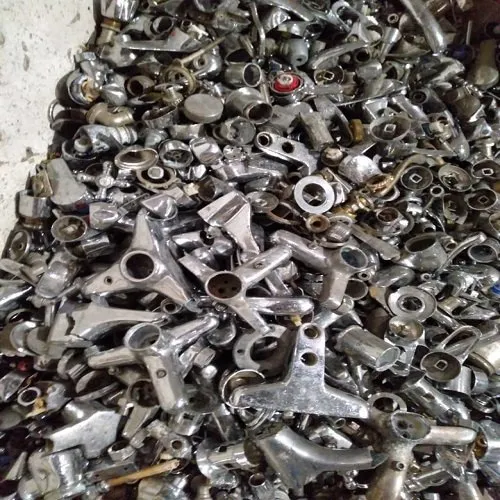
Zinc die-cast scrap (clean)
-
Zinc galvanizing dross (high Zn content)
-
Mixed zinc alloys (Zn–Al, Zn–Cu)
-
-
Physical Characteristics:
-
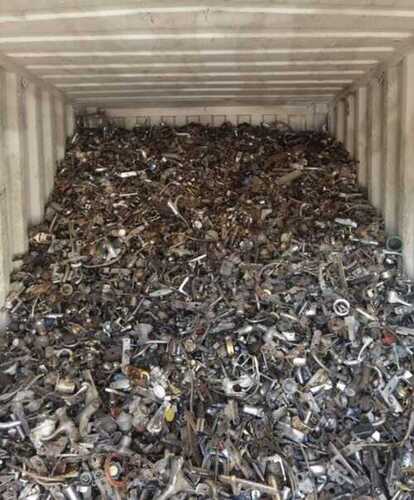
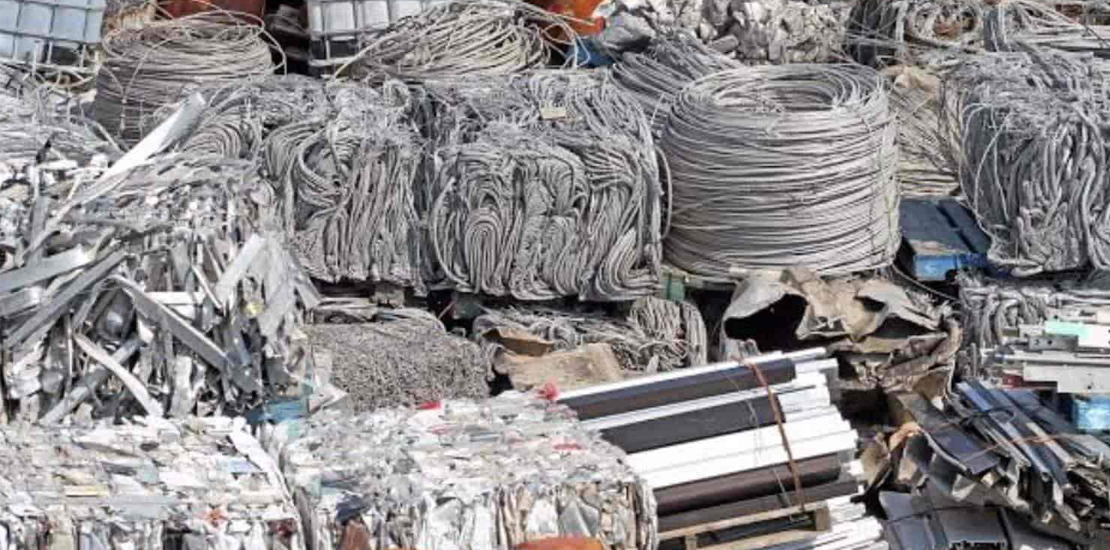
Form: Shredded, baled, or bulk loose pieces (20–200 mm particle size)
-
Color: Silver-grey with minimal oxidation
-
Density: Approx. 2.5–3.5 g/cm³ (bulk density varies by form)
-
-
Packaging Options:
-
1 MT jumbo bags
-
Loose in 20’ or 40’ containers (container-lined)
-
Shrink-wrapped pallets for smaller lots
-
-
Shelf Life: Indefinite when stored dry; no degradation risk under standard warehouse conditions
3. Core Industrial Applications
-
Galvanizing Industry: Used as a secondary zinc feed in hot-dip galvanizing baths. Outperforms primary zinc in cost-per-unit-mass without compromising coating adhesion or corrosion resistance.
-
Brass & Bronze Production: Directly melted into Cu–Zn alloys. Provides faster melt times and lower energy consumption versus primary ingots due to higher surface area.
-
Chemical Manufacturing (ZnO, ZnSO₄): Ideal feedstock for producing zinc oxide and zinc sulfate. Allows chemical refiners to lower raw material input cost by up to 20% with identical final product purity after processing.
-
Die-Casting Foundries: Recycled internally or externally as remelt alloy. Reduces dross formation compared to virgin zinc when properly sorted.
Commercial advantage: Buyers achieve equivalent metallurgical performance at 10–20% lower procurement cost, with faster melting kinetics and reduced oxidation loss.
4. Competitive Advantages
-
Quality Consistency: Every shipment is spectrographically tested; certificates of analysis provided per ISO 9001:2015 standards.
-
Supply Reliability: Long-term offtake agreements with industrial dismantlers and galvanizing lines ensure 5,000+ MT monthly availability from multiple origins (Europe, North America, SE Asia).
-
Logistics Capability: FCL and LCL shipping worldwide; hazardous-free classification (non-dangerous goods) simplifies customs clearance.
-
Price Competitiveness: Priced at LME Zinc primary minus 12–18% discount, fixed or floating index-based contracts available.
-
Sustainability Advantage: Using zinc scrap reduces CO₂ emissions by ~75% compared to primary zinc production (source: IZA data). Compliant with EU CBAM and ISO 14044 LCA standards.
-
Technical Support: Dedicated metallurgical engineer support for melt recipes, impurity management, and downstream process optimization.
5. Commercial & Supply Information
-
Minimum Order Quantity (MOQ): BULK 20MT (partial container loads available at premium pricing)
-
Loading Capacity per Container:
-
20’ dry container: ~20–22 MT (jumbo bagged or loose)
-
40’ dry container: ~24–26 MT (jumbo bagged, max weight limited)
-
Bulk vessel shipments: 500–3,000 MT per lot
-
Incoterms: EXW, FOB, CFR, CIF (buyer’s choice)
Lead Time: 7–14 days from order confirmation for container shipments; 21–30 days for bulk vessel.
Reviews
There are no reviews yet.