

Description
1. Product Overview
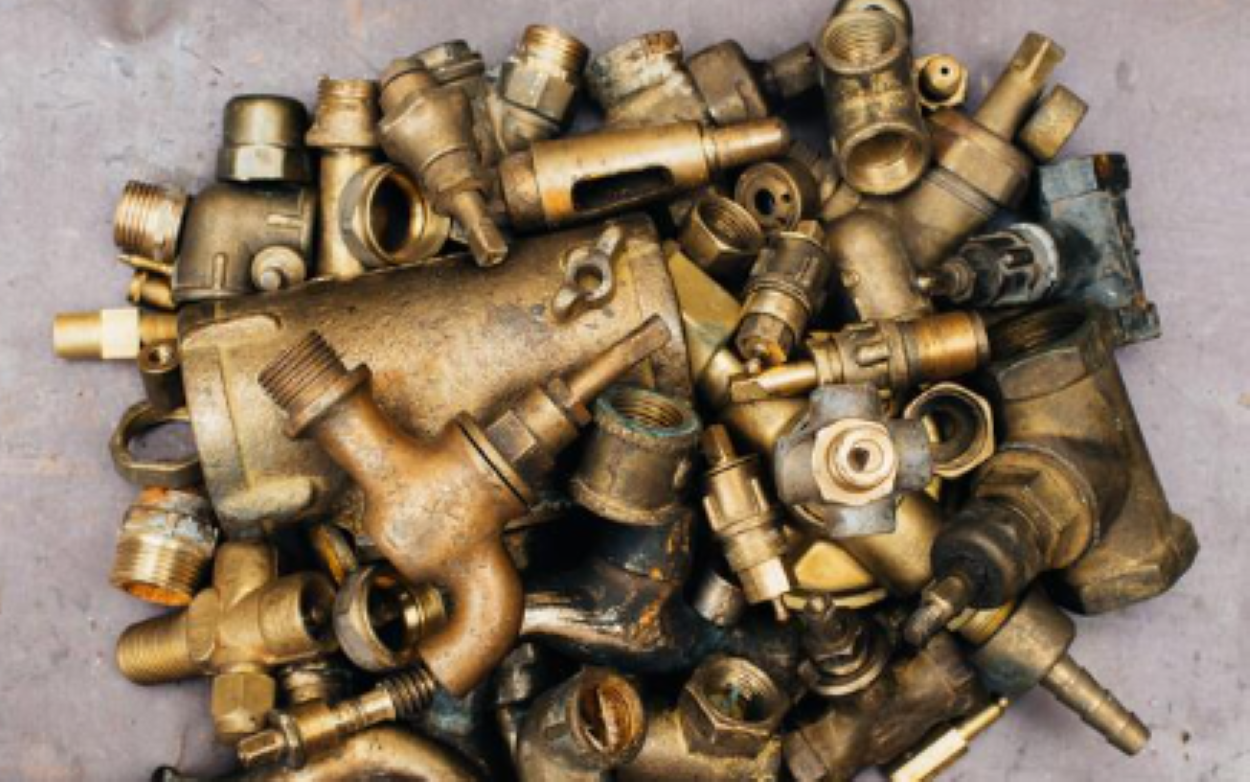
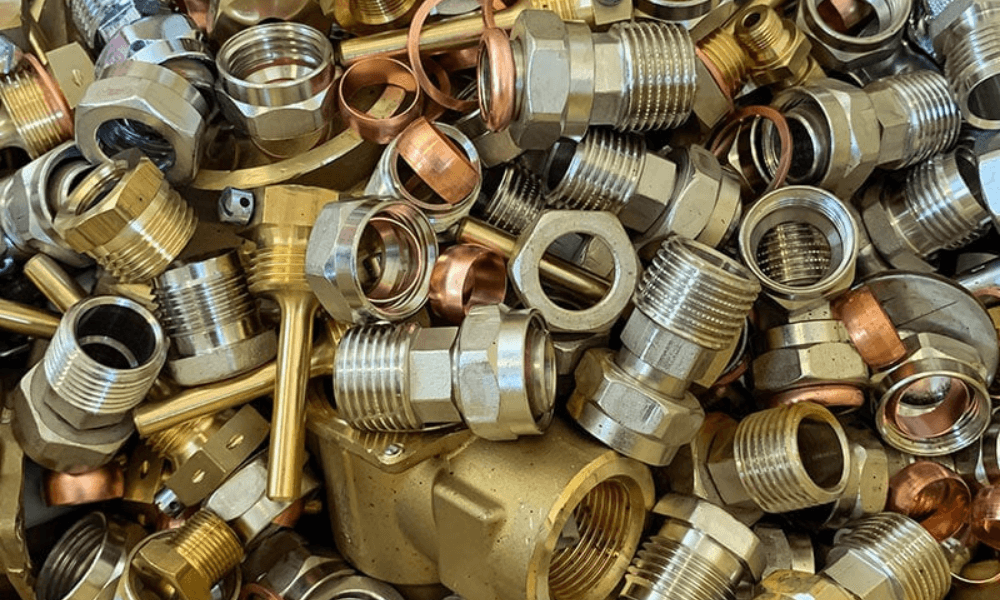
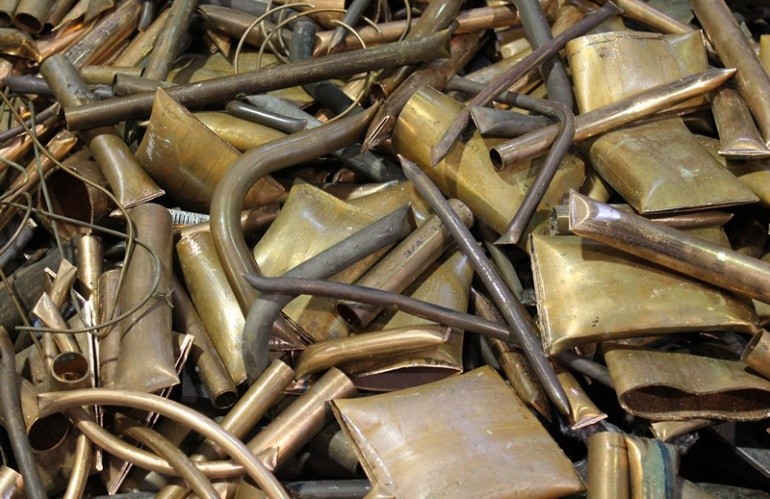
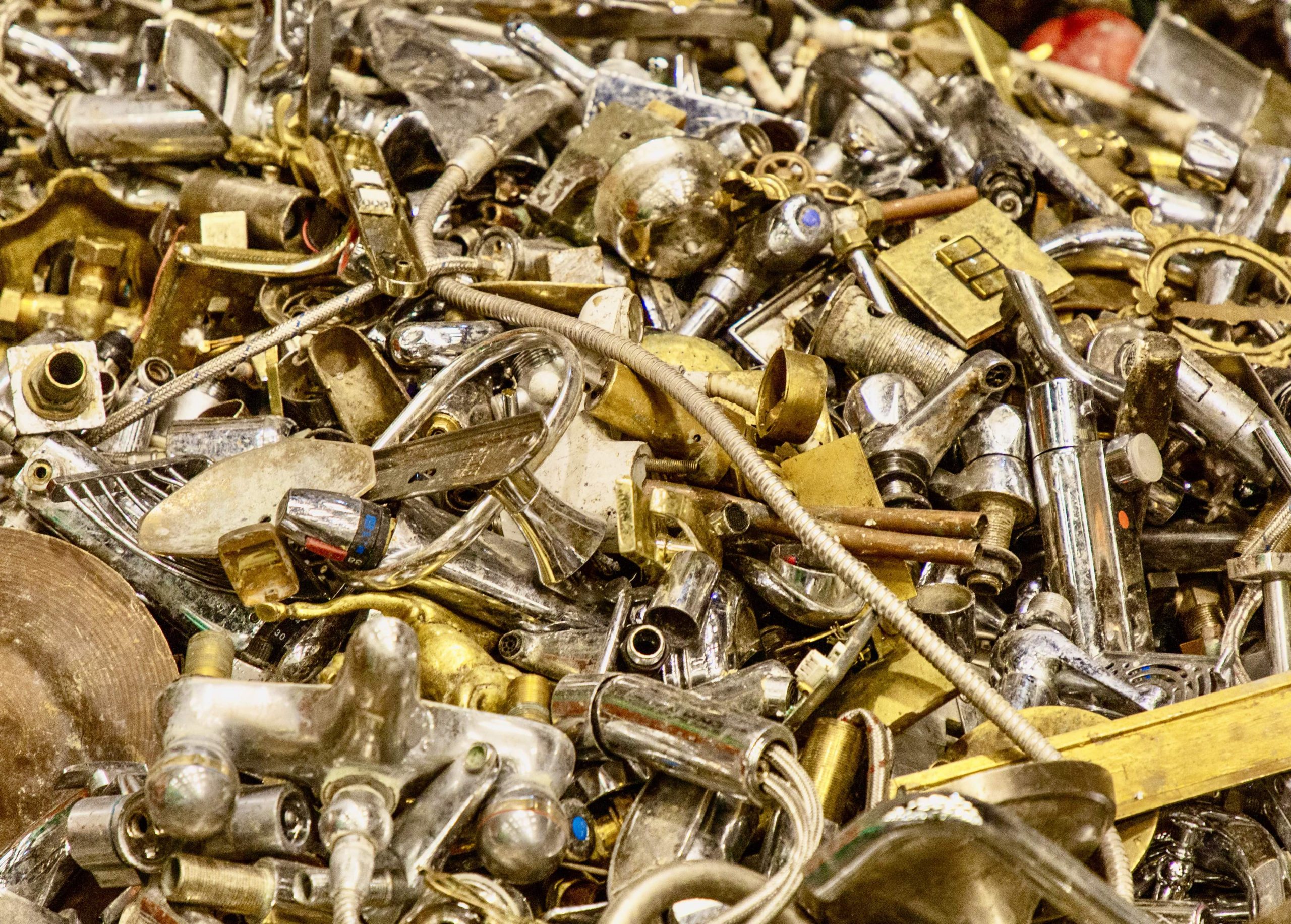
Brass Scrap is a high-density, non-ferrous secondary raw material derived from industrial fabrication offcuts, obsolete plumbing components, and decommissioned engineering parts. Its primary industrial use is as a charge material for secondary copper smelters, ingot makers, and brass mills for the production of new rods, sheets, and castings. The key value proposition is its superior copper recovery yield (typically 58–62%) combined with lower smelting energy consumption versus virgin ore. Strategically, this product is critical for global circular economy supply chains, offering manufacturers a cost-stable, low-carbon alternative to primary copper and zinc.
2. Key Specifications & Technical Characteristics
-
Chemical Composition: Cu 58–62%, Zn 38–42%, Fe <1%, Sn <0.5%, Pb <0.3% (max permissible limits)
-
Purity / Grade: ISRI Code: Honey (98% Cu purity equivalent in yield), Berry (mixed), Birch (clippings). Industrial grade: #1 Heavy Brass Scrap.
-
Physical Characteristics:
-
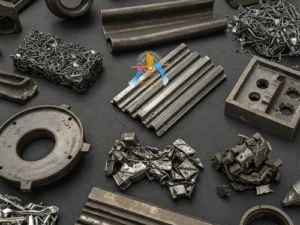
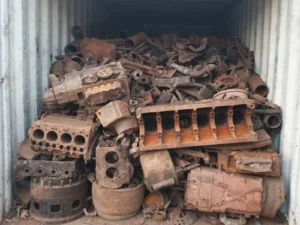
Form: Mixed (clean turnings, solids, pipe remnants, stampings) – no sealed containers or excessive fines.
-
Color: Bright yellow to reddish-brown.
-
Particle size: 2mm – 50cm (max dimension), tailored to melting furnace throat size.
-
Bulk density: 2.5 – 4.5 MT/m³ (compacted bales or loose).
-
-
Packaging Options: 1.5MT – 2MT jumbo steel-strapped bales; 500kg poly-lined woven bags; bulk loose container packing.
-
Shelf Life: Indefinite (non-perishable) if stored dry and free from standing water.
3. Core Industrial Applications
-
Primary industries: Secondary copper smelters, brass rod mills, sanitary fitting foundries, electrical component manufacturers.
-
Operational use cases:
-
*Melting for C36000 free-cutting brass:* Direct charge reduces melting time by 18% vs. virgin Cu/Zn.
-
Ingot production for valve bodies: Lower porosity due to consistent grain structure.
-
Architectural brass extrusions: Predictable color matching due to stable Cu/Zn ratio.
-
-
Why it performs better: This scrap’s low tramp element (Fe, Sn, Pb) content reduces slag formation by up to 12%, increasing melt yield per ton. Unlike virgin cathode, it requires no pre-alloying, lowering processing costs by ~15%.
-
Commercial advantage: Faster melt cycles (lower fuel use) and reduced dross generation directly increase furnace throughput per shift.
4. Competitive Advantages
-
Quality consistency: Triple-stage sorting (magnetic + density + XRF spot-check) ensures each lot’s Cu/Zn variance ≤ 1.5% from certified certificate.
-
Supply reliability: Contracted scrap aggregation from 4 ISO 9001:2015 certified yards, capable of 5,000 MT/month year-round.
-
Logistics capability: In-house container loading at source ports (Houston, Rotterdam, Jebel Ali, Shanghai) with pre-shipment SGS/TUV inspection.
-
Price competitiveness: Fixed formula pricing (LME Cu 3M + LME Zn 3M) × 0.62 – logistic premium, with quarterly hedging options.
-
Sustainability: Each ton replaces 4.2 tons of CO₂ equivalent vs. primary brass production. Certified under ISRI and BIR circularity protocols.
-
Technical support: Full assay certificate (XRF), material safety data sheet (MSDS), and melt optimization guidance provided.
5. Commercial & Supply Information
-
Minimum Order Quantity (MOQ): 20 MT (bulk)
-
Loading capacity (per 20’ container): 20 MT (loose or baled)
-
Loading capacity (per 40’ container): 25 MT (high-density bales)
-
Lead time: 10–14 days from L/C or 30% deposit confirmation
-
Incoterms available: FOB, CFR, CIF (main global ports)

Reviews
There are no reviews yet.