
Description
1. Product Overview
Lead Scrap is a high-purity, secondary raw material derived from exhausted industrial batteries, cable sheathing, and chemical plant components, fully processed to meet international non-ferrous metal recycling standards. It is primarily used by secondary lead smelters, battery manufacturers, and radiation shielding producers as a cost-effective substitute for primary lead ingots. The key value proposition lies in its closed-loop recyclability—delivering identical metallurgical performance to virgin lead while reducing energy consumption by over 35% and lowering carbon footprint per ton. In a volatile commodity market, securing consistent, high-grade lead scrap is a strategic lever for margin stability and regulatory compliance.
2. Key Specifications & Technical Characteristics
-
Chemical Composition: Pb ≥ 98.5%; impurities (Sb, Sn, Ca, Se) < 1.5% by dry weight
-
Purity Grade: ISRI code “Rains” / “Radio” equivalent; meets LME Grade 95–98% spec
-
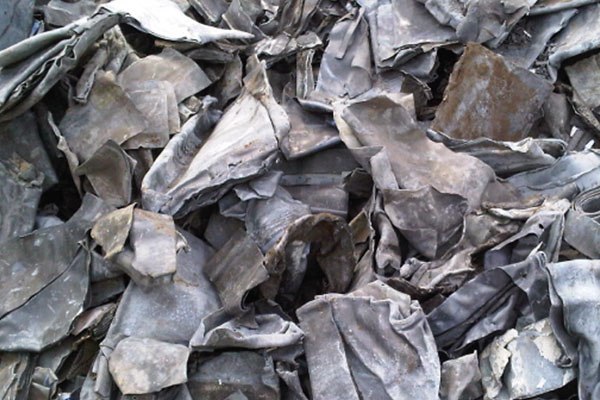
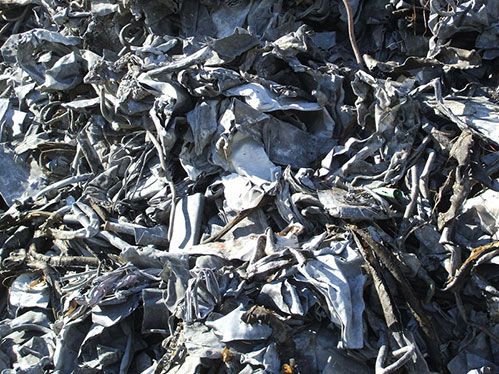
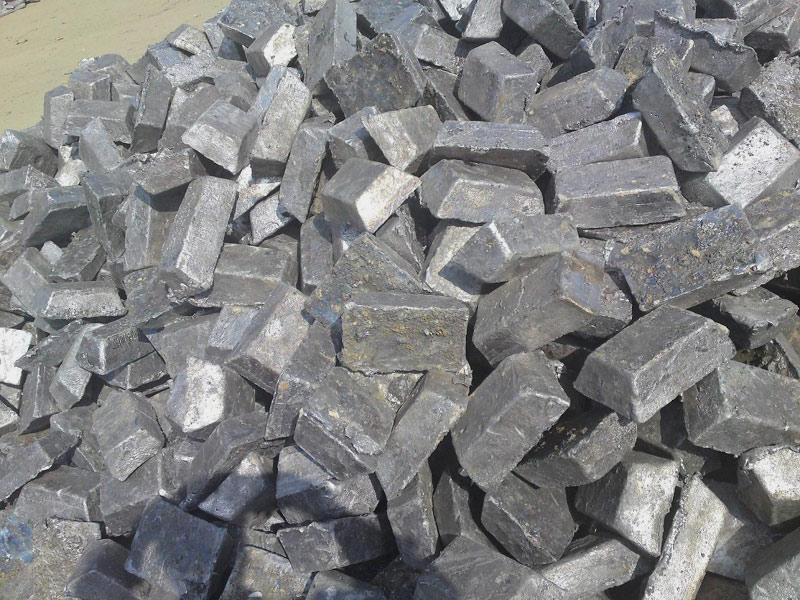
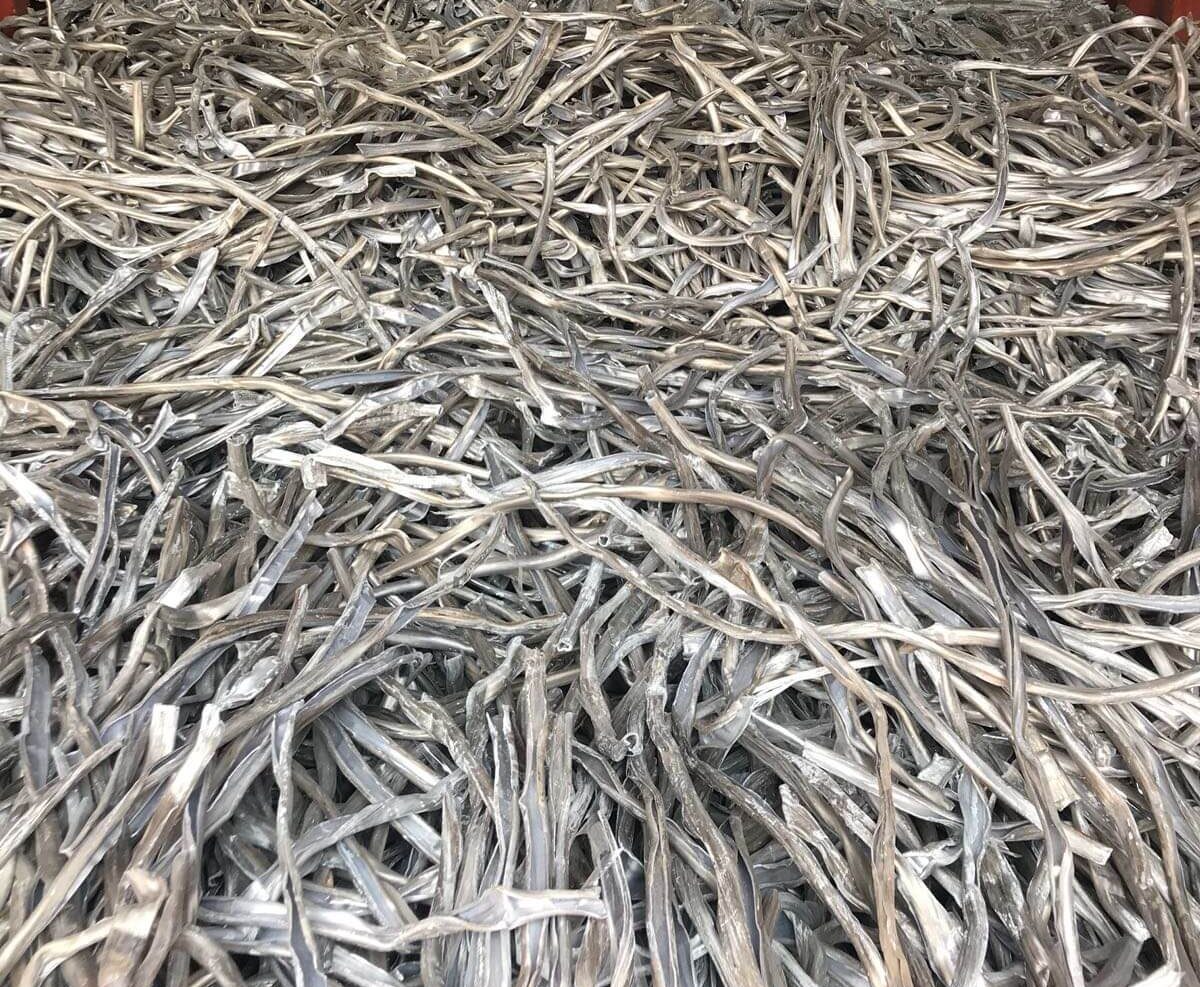
Physical Form: Clean, drained, whole or crushed battery scrap / cable sheath strips / clean soft lead solids
-
Color & Appearance: Metallic grey; no visible corrosion beyond normal surface oxidation
-
Particle Size Range: 50mm – 300mm (custom crushing available on request)
-
Bulk Density: 2.8 – 3.2 t/m³ (loose)
-
Moisture Content: < 2% (dry process certified)
-
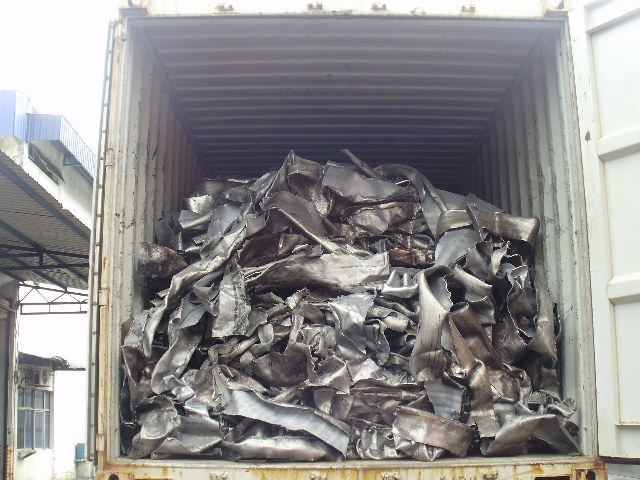
Packaging: 1.5MT jumbo bags / 25MT open-top containers / loose bulk in vessel holds
-
Shelf Life: Indefinite when stored dry, above freezing, and segregated from acids/oxidizers
3. Core Industrial Applications
-
Secondary Lead Smelting: Direct feed for rotary or reverberatory furnaces → yields 99.97% lead ingots at 30% lower operating temperature than primary ore processing.
-
Battery Manufacturing (new SLI & industrial batteries): Re-melted and alloyed with antimony/calcium → provides equivalent cycle life to virgin lead at 15–20% lower material cost.
-
Radiation Shielding (medical & nuclear): Cast into blocks, bricks, or containers → superior density (11.34 g/cm³) with no performance loss vs. primary lead.
-
Counterweights & Ballast (construction, marine, forklifts): High-density, non-corrosive filler → better vibration damping than iron or concrete alternatives.
Why it performs better: Unlike mixed or contaminated scrap, this material is pre-sorted, drained, and oxide-stripped → reduces slag formation by 40%, cuts flux consumption, and lowers furnace downtime.
4. Competitive Advantages
-
Quality Consistency: Every lot tested via XRF spectrometric analysis; certificate of analysis (COA) issued with each shipment.
-
Supply Reliability: Minimum 500MT/month commitment capacity from ISO 14001-certified preprocessing facilities; 12-month supply contracts available.
-
Logistics Capability: Inland container depots & port-side warehousing (Rotterdam, Jebel Ali, Houston, Busan) → 7-day lead time for standard orders.
-
Price Competitiveness: Priced at LME cash settlement minus fixed discount (volume-dependent); hedging support offered for multi-month contracts.
-
Sustainability: 100% recycled content with traceable chain-of-custody documentation → qualifies buyers for green procurement credits and reduced import tariffs under EU CBAM / US IRA rules.
-
Technical Support: On-site smelter yield audit and impurity adjustment recommendations included for direct buyers.
5. Commercial & Supply Information
-
Minimum Order Quantity (MOQ) : 20 metric tons (bulk)
-
Loading Capacity :
-
20’ dry container: 20–22 MT
-
40’ dry container: 24–26 MT
-
Bulk vessel (breakbulk): 500 – 3,000 MT per hold
-
-
Incoterms supported: FOB, CFR, CIF, EXW (ex-works from regional consolidation yards)
-
Payment terms: LC at sight (irrevocable, confirmed) or 30% advance + 70% against B/L copy for established buyers

Reviews
There are no reviews yet.