
Description
-
Product Overview
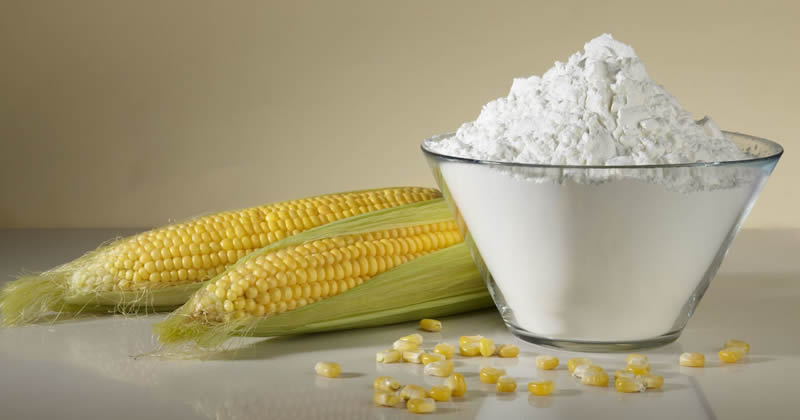
Starch Modified Hydrocolloid Systems are engineered polysaccharide-based additives designed to deliver predictable rheology, stability, and functional performance across demanding industrial processes. Primarily used as thickeners, stabilizers, film-formers and texture modifiers, these systems enable consistent process control in food ingredients, paper coating, adhesives, ceramics, pharmaceuticals, and oilfield formulations. The key value proposition is a tailored balance of viscosity control, shear and thermal stability, and compatibility with salts and solvents—reducing formulation variability, waste, and downtime. Strategically, sourcing these modified hydrocolloids secures product quality and repeatable manufacturing outcomes for high-volume industrial operations where small formulation differences drive large commercial impacts. -
Key Specifications & Technical Characteristics
-
Chemical composition: Thermally or chemically modified starch base (e.g., native corn, tapioca, or potato starch) blended with functional modifiers (crosslinkers, hydroxypropyl or acetyl groups, carboxymethyl substitution, or grafted co-polymers) as specified per grade.
-
Purity/grade: Industrial food-grade to technical-grade options; typical purity > 98% dry solids (water and residual processing aids quantified on certificate of analysis).
-
Functionality profile: Controlled degree of substitution (DS), molecular weight distribution, and crosslink density to deliver targeted viscosity profile and stability.
-
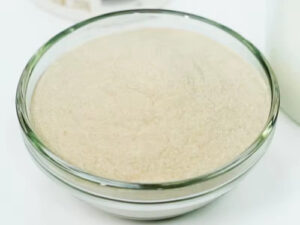
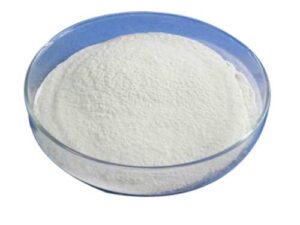
Physical form: Spray-dried powder, granular, or pregelatinized flake.
-
Color: Off-white to cream (typical); color controlled per batch.
-
Particle size: Standard D90 range 150–800 µm (custom milling available).
-
Bulk density: 350–650 kg/m3 depending on form and packing.
-
Moisture content: Typically 8–12% (controlled and reported).
-
Solubility/dissolution: Cold-water dispersible grades available; hot-soluble and enzyme-stable grades on request.
-
Thermal stability: Available grades with gelatinization and shear-stability up to formulation-specific temperatures (specify on request).
-
Salt and pH tolerance: Formulations designed for wide ionic strength and pH 2–11 compatibility (grade dependent).
-
Packaging options: 25 kg multiwall paper/poly bags, 500 kg FIBCs, and bulk pneumatic tanker loading for powders; lined containers for food-grade shipments.
-
Shelf life: 12–24 months under recommended dry storage (<25°C, <65% RH); stability guaranteed in sealed original packaging.
-
Certification/support documents: Certificate of Analysis (CoA), Safety Data Sheet (SDS), and specification sheet provided with each shipment.
-
Core Industrial Applications
-
Food & Beverage: Stabilizers, thickeners, and texture modifiers in sauces, dressings, bakery fillings, and dairy analogues. Benefit: consistent mouthfeel, reduced syneresis, and clean-label formulation potential compared with synthetic gums.
-
Paper & Board Coatings: Rheology control and retention aids in coating colors and surface treatments. Benefit: improved coating uniformity, reduced pigment settling, and better printability.
-
Adhesives & Binders: Primary binder and viscosity modifier in hot-melt adhesives, spray adhesives, and corrugating starch adhesives. Benefit: predictable bonding strength and faster set times versus unmodified starch.
-
Ceramics & Construction: Rheology control in tile glazes, ceramic slips, and gypsum formulations. Benefit: superior suspension stability and reduced defects during drying and firing.
-
Pharmaceuticals & Personal Care: Tablet binders, film-formers, and stabilizers for creams/gels where controlled release or texture is critical. Benefit: regulatory-compliant grades and consistent batch-to-batch performance.
-
Oil & Gas/Industrial Fluids: Fluid loss control and viscosifiers in drilling and completion fluids (engineered for salinity and temperature resilience). Benefit: lower fluid loss and improved cuttings suspension compared with conventional polymers.
Why it performs better: tailored modification provides higher shear and thermal stability, improved ionic tolerance, and predictable gelling/dissolution behavior—reducing trial-and-error in scale-up and lowering overall formulation costs.
-
Competitive Advantages
-
Quality consistency: Tight in-house QC with real-time batch traceability and CoAs issued for solids, viscosity, DS, moisture, and particle size.
-
Supply reliability: Multi-source raw starch supply, secured manufacturing capacity, and safety stock to support continuous high-volume contracts.
-
Logistics capability: Flexible packaging, palletization, and bulk loading options; export experience with freight consolidation, customs documentation, and temperature/humidity-aware handling.
-
Price competitiveness: Economies of scale and optimized modification processes deliver lower total cost of formulation versus niche specialty gums at equivalent performance.
-
Sustainability: Options for non-GMO raw material sourcing, low-energy spray-drying processes, and formulations designed to reduce synthetic polymer use and overall carbon footprint.
-
Technical support: Applications laboratory support, formulation optimization services, pilot-scale trial assistance, and full documentation (SDS, CoA, technical datasheets) to expedite qualification and regulatory compliance.
-
Commercial & Supply Information
-
Minimum order quantity (MOQ): BULK 20 MT.
-
Loading capacity: Typical container loading (20’/40’ container) and bulk capacities depend on form and packaging; example guideline: up to 20 MT per 20’ container (bagged, palletized) and up to 24–25 MT per 40’ container; bulk FIBC mode optimized per customer request.

Reviews
There are no reviews yet.