
Description
-
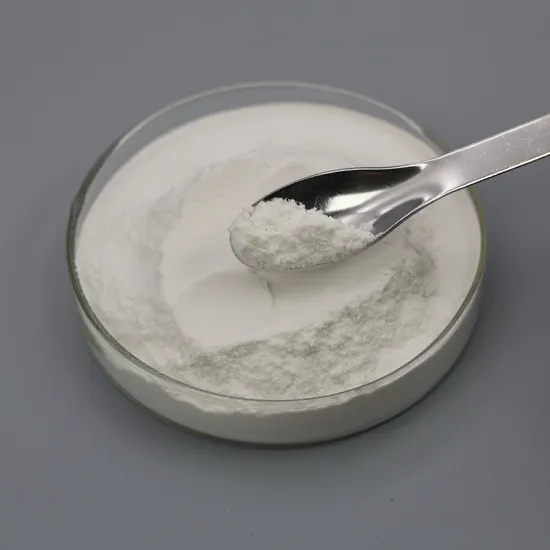
Propylene Glycol Alginate (E405) is a semi-synthetic, anionic polysaccharide derivative produced by esterifying alginic acid with propylene glycol and partially neutralizing to a stable salt form. It functions as a rheology modifier, stabilizer, emulsifier and film former across high-demand industrial processes. The product delivers predictable viscosity control, improved emulsion stability and enhanced surface properties, enabling consistent process performance and higher yield in formulations. For strategic buyers, E405 is a low-risk, high-value input that reduces formulation variability, simplifies production scale-up, and supports regulatory compliance in food-grade and industrial-grade applications.
-
Key Specifications & Technical Characteristics
-
Chemical composition: Propylene glycol ester of alginic acid (sodium salt form typical).
-
Functional groups: Carboxylate, esterified hydroxyls (degree of esterification specified per batch).
-
Grade / Purity: Industrial/Food-grade available; typical active content 70–85% (batch certificate provided).
-
Physical form: Free-flowing powder; also available as coarse granules on request.
-
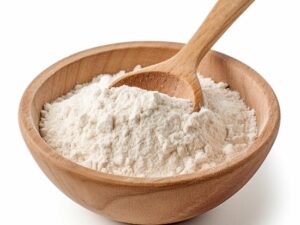
Appearance / color: Off-white to pale cream powder.
-
Particle size: Standard D50 ~100–200 µm; custom milling available.
-
Bulk density: 350–600 kg/m3 (typical range; packed density varies by grade).
-
Solubility: Water-dispersible; disperses in cold water with controlled hydration profile.
-
Viscosity profile: Shear-thinning, pseudoplastic behavior; viscosity specification per concentration and temperature provided on technical data sheet.
-
pH stability: Effective in pH range ~3–10 depending on formulation; QA data provided.
-
Shelf life: 24 months stored in original sealed packaging, dry and <25°C.
-
Packaging options: 25 kg multiwall paper sacks with PE liner; 500 kg FIBCs; 20 MT BULK (containerized as specified below).
-
Documentation: Certificate of Analysis (CoA), Safety Data Sheet (SDS), and technical datasheet supplied with each shipment.
-
Core Industrial Applications
-
Food & Beverage: Stabilizer and emulsifier in acidified beverages, sauces, dressings, and gelled systems; improves mouthfeel and prevents phase separation in low-pH matrices. Outperforms many alternatives by maintaining viscosity under shear and acidic conditions while enabling cleaner label formulations when combined with natural gums.
-
Pharmaceuticals & Nutraceuticals: Binder and film-former in oral suspensions and controlled-release matrices; provides consistent rheology for syringeable suspensions and uniformity in tablet coatings. Offers reproducible processability during scale-up.
-
Personal Care & Cosmetics: Thickener and stabilizer in creams, gels, and emulsions; enhances sensory profile and stabilizes oil-in-water dispersions with reduced syneresis over time.
-
Industrial Coatings & Adhesives: Rheology control and film-forming aid for waterborne coatings and adhesives; provides improved substrate wetting, leveling and reduced sagging.
-
Paper & Textile Processing: Sizing and surface treatment to improve ink receptivity and print definition; enhances fiber bonding and dispersion stability.
Commercial relevance: E405 delivers better acid-stability, predictable shear response, and scalable dissolution than many native alginates and synthetic thickeners, reducing batch rework and raw-material overhead.
-
Competitive Advantages
-
Quality consistency: Manufactured under controlled processes with batch CoA and strict QC (viscosity, moisture, active content).
-
Supply reliability: Multiple production lines and forward inventory strategy to support continuous supply for large-scale converters.
-
Logistics capability: Flexible packaging (25 kg to 20 MT bulk), container-load optimization, and export documentation for global distribution.
-
Price competitiveness: Economies of scale for BULK orders (20 MT) with tiered pricing and contract volumes available.
-
Sustainability: Derived from renewable algal feedstock; production optimized to minimize solvent use and waste; supplier sustainability data available on request.
-
Technical support: Application guidance, formulation troubleshooting, and customized grade development; full SDS and regulatory support documentation provided for global markets.
-
Commercial & Supply Information
-
Minimum order quantity (MOQ): BULK 20 MT.
-
Loading capacity: Typical container loading for BULK 20 MT per 20-ft container (subject to packaging configuration and destination regulations).
-
Lead times: Lead time and allocation subject to contract; expedited production options available.
-
Shipping & documentation: Full export pack, CoA, SDS, and regulatory compliance documents provided with shipment.

Reviews
There are no reviews yet.