
Description
1. Product Overview
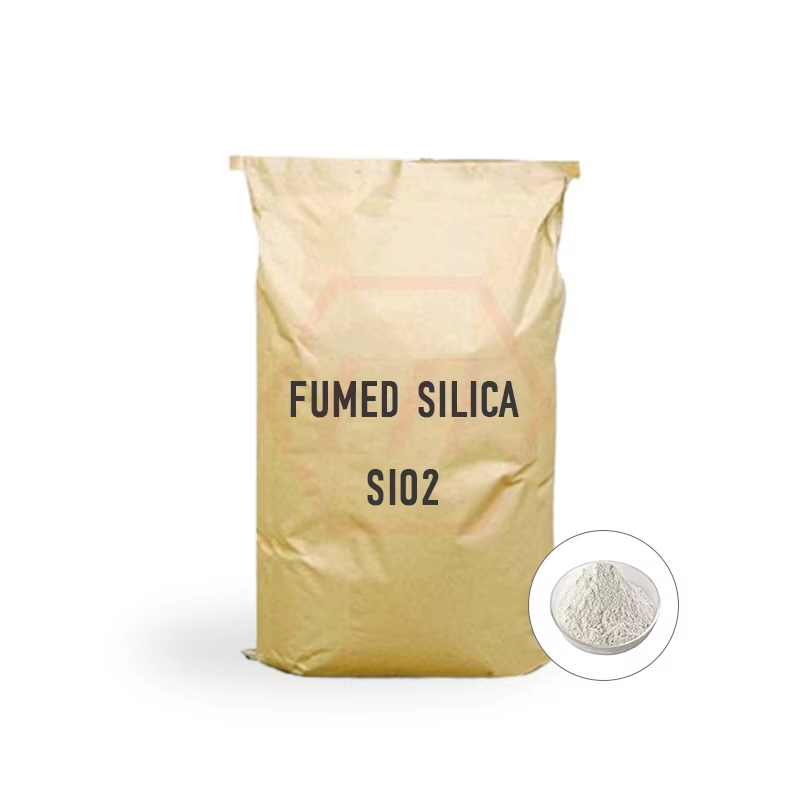
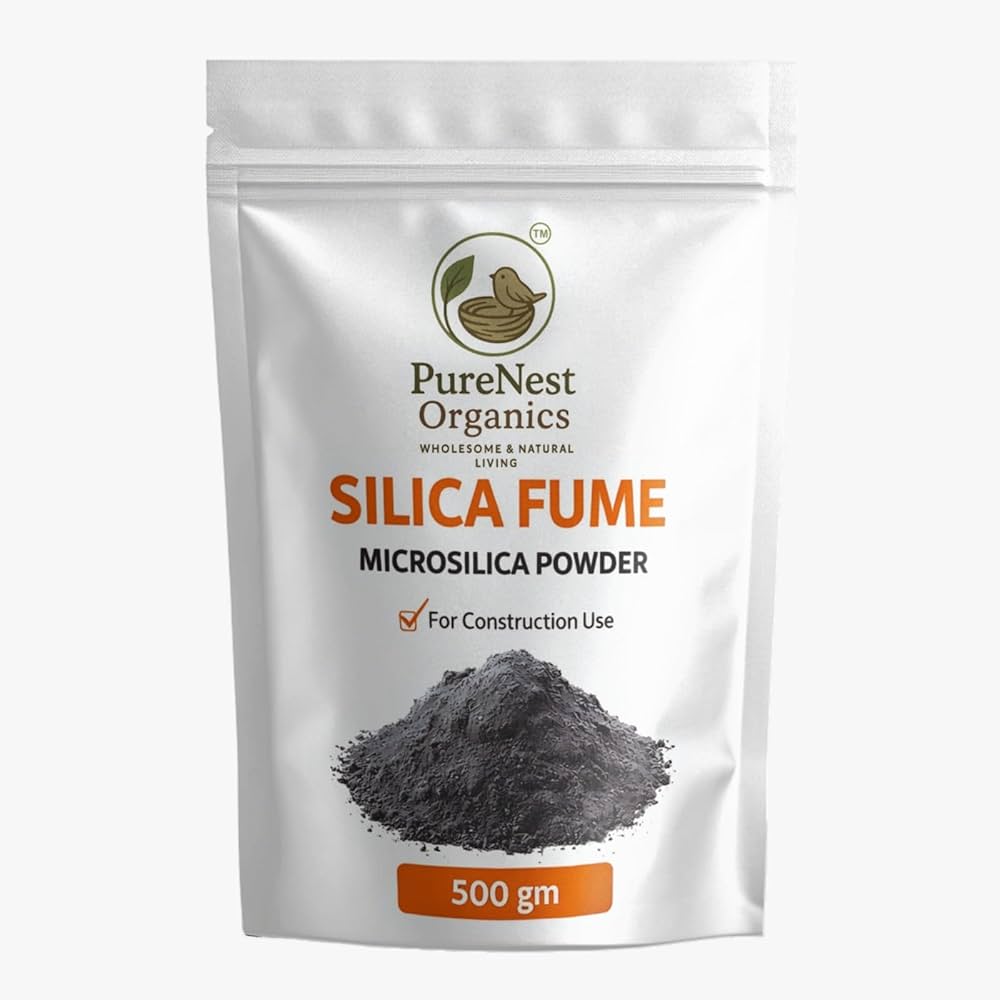
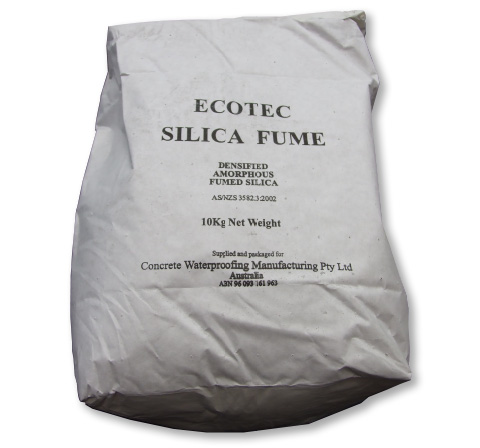
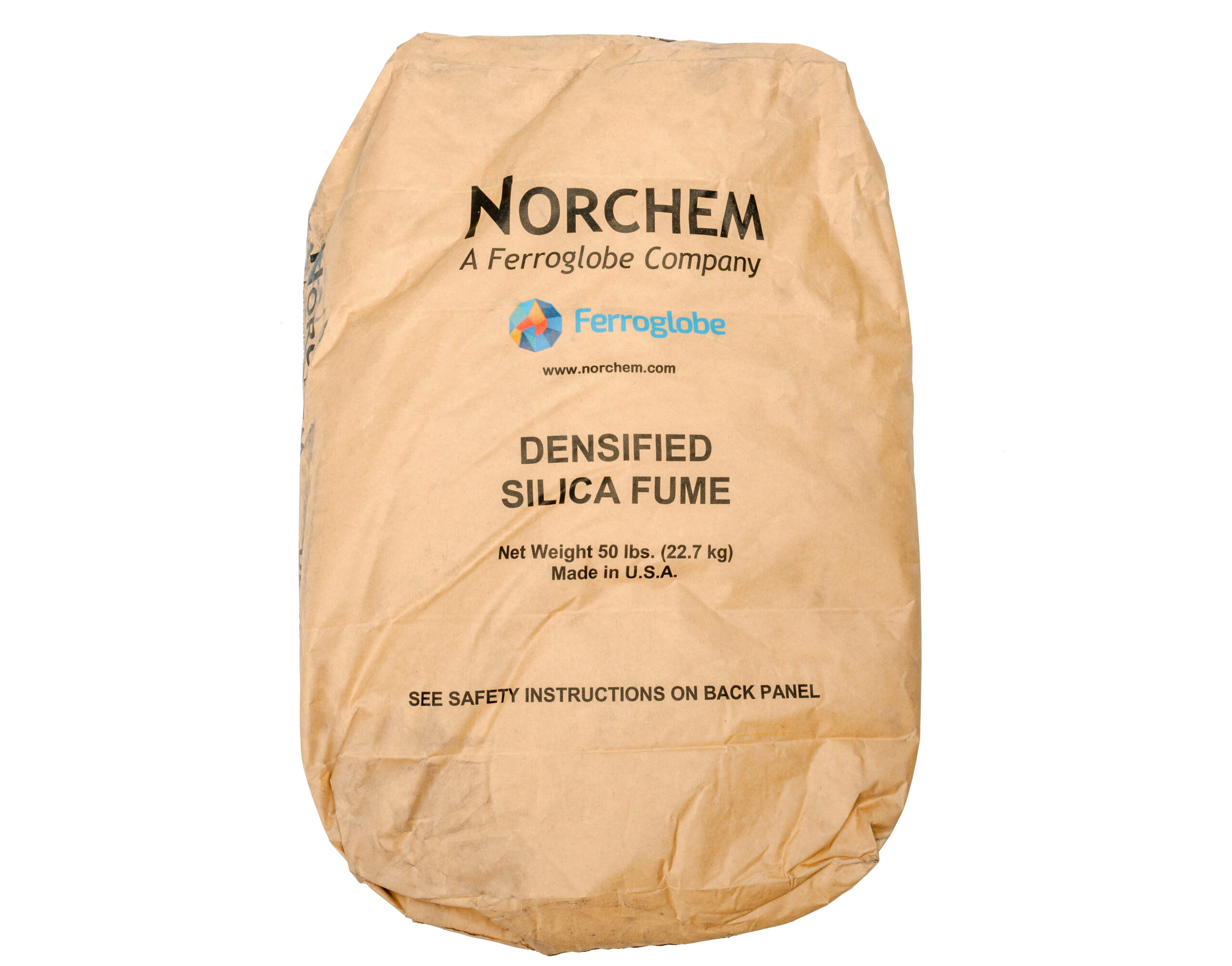
Silica Fume (microsilica) is a high-performance amorphous polymorph of silicon dioxide, sourced as a by-product of silicon and ferrosilicon alloy production. It is primarily used as a pozzolanic admixture in high-strength concrete and refractory applications to dramatically enhance mechanical properties and durability. The key value proposition lies in its ability to produce ultra-dense, low-permeability concrete with compressive strengths exceeding 15,000 psi—critical for infrastructure exposed to aggressive chemical or abrasive environments. Strategically, Silica Fume is indispensable for modern construction and oil & gas industries seeking to extend asset life while reducing lifecycle maintenance costs.
2. Key Specifications & Technical Characteristics
-
Chemical composition: SiO₂ ≥ 85–96% (grade dependent); low carbon content (<1.5%)
-
Purity level: Technical grade (85–92% SiO₂) / High-purity grade (94–96% SiO₂)
-
Physical form: Microspherical powder (densified or undensified)
-
Color: Light to dark grey
-
Mean particle size: 0.1–0.3 µm (≈100x finer than cement)
-
Bulk density:
-
Undensified: 150–300 kg/m³
-
Densified: 500–700 kg/m³
-
-
Specific surface area (BET): 15–30 m²/g
-
Packaging options: 20 kg multi-ply paper bags, 1 MT big bags, bulk pneumatic tanker
-
Shelf life: 12 months when stored in dry, sealed conditions (hygroscopic)
3. Core Industrial Applications
-
High-performance concrete (HPC): Bridges, marine structures, high-rise foundations – increases compressive strength by 40–80% vs. plain Portland cement; reduces chloride ion penetration by up to 90%.
-
Oil & gas well grouting: Provides zero-bleed slurries and superior shear bond strength in geothermal wells and CO₂-rich environments – outperforms silica flour by eliminating settling and permeability degradation.
-
Refractory castables: Lowers porosity and improves hot modulus of rupture (HMOR) in steel ladles and tundish linings – enables thinner linings without thermal spalling.
-
Shotcrete & repair mortars: Reduces rebound loss by 30–50% and increases adhesion to vertical substrates, cutting application time and material waste.
Advantage: Silica Fume consumes calcium hydroxide (CH) via pozzolanic reaction, converting weak zones into additional calcium silicate hydrate (CSH) – a benefit no other mineral admixture delivers at the same dosage efficiency.
4. Competitive Advantages
-
Quality consistency: ISO 9001:2025 certified production with real-time particle size and LOI (loss on ignition) monitoring; each batch tested to ASTM C1240 / EN 13263.
-
Supply reliability: Long-term offtake agreements with silicon metal smelters ensuring stable annual volume (50,000+ MT available ex-works).
-
Logistics capability: Dedicated bulk pneumatic fleet and global warehousing (Rotterdam, Houston, Shanghai, Jebel Ali) – average lead time <14 days to major ports.
-
Price competitiveness: Direct smelter-to-buyer model removes 2–3 intermediary margins; volume pricing down to $0.28–0.35/kg for densified grades (FOB).
-
Sustainability: Valorizes industrial by-product (prevents landfilling); every 1 MT used reduces CO₂ footprint of concrete by ~0.9 MT compared to increasing cement content alone.
-
Technical support: Free mix design optimization via proprietary simulation software; certified lab reports and field application engineers provided for projects >500 MT.
5. Commercial & Supply Information
-
Minimum Order Quantity (MOQ):
-
20 MT (bulk pneumatic or big bags)
-
40 MT (small bags – 20 kg x 1,000 units)
-
-
Loading capacity (20-ft container):
-
25 MT (densified, big bags)
-
10–12 MT (undensified, due to low bulk density)
-
-
Loading capacity (40-ft container):
-
50 MT (densified, big bags)
-
22–24 MT (undensified)
-
-
Incoterms offered: FOB, CIF, CFR, EXW
-
Lead time: 7 days ex-warehouse; 21 days ex-smelter (Asia, Europe, Americas origins)
Reviews
There are no reviews yet.