

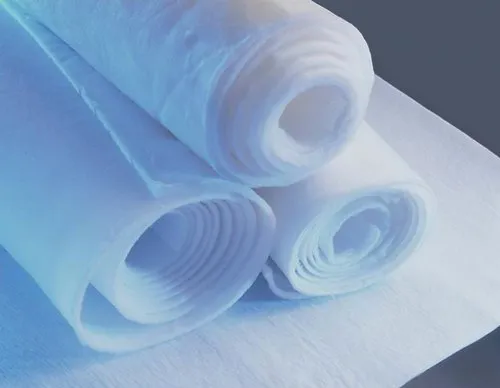
Description
1. Product Overview
Silica aerogels are synthetic, ultra-porous solid materials derived from a sol-gel process, comprising >95% air and a 3D network of amorphous silica. Their primary industrial use is high-performance thermal insulation in pipelines, building envelopes, and cryogenic systems. The key value proposition is unmatched thermal resistance (0.015–0.020 W/m·K) in the thinnest possible form factor. Strategically, they are critical for decarbonization and energy efficiency mandates across oil & gas, aerospace, and construction markets.
2. Key Specifications & Technical Characteristics
-
Chemical composition: Amorphous silicon dioxide (SiO₂) ≥99.8%
-
Purity level: Technical grade (industrial) / High-purity grade (electronics/aerospace)
-
Physical characteristics:
-
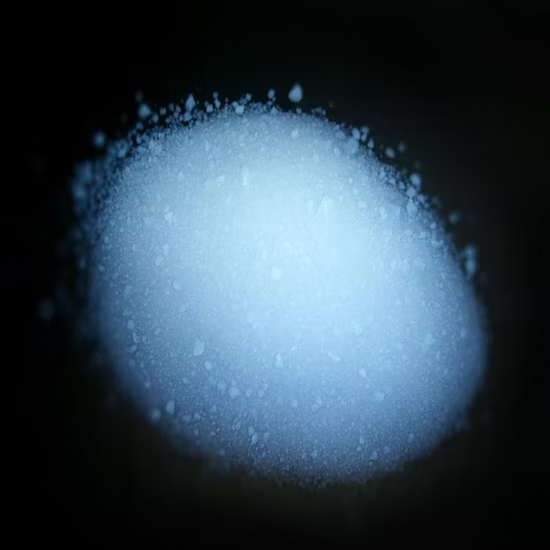
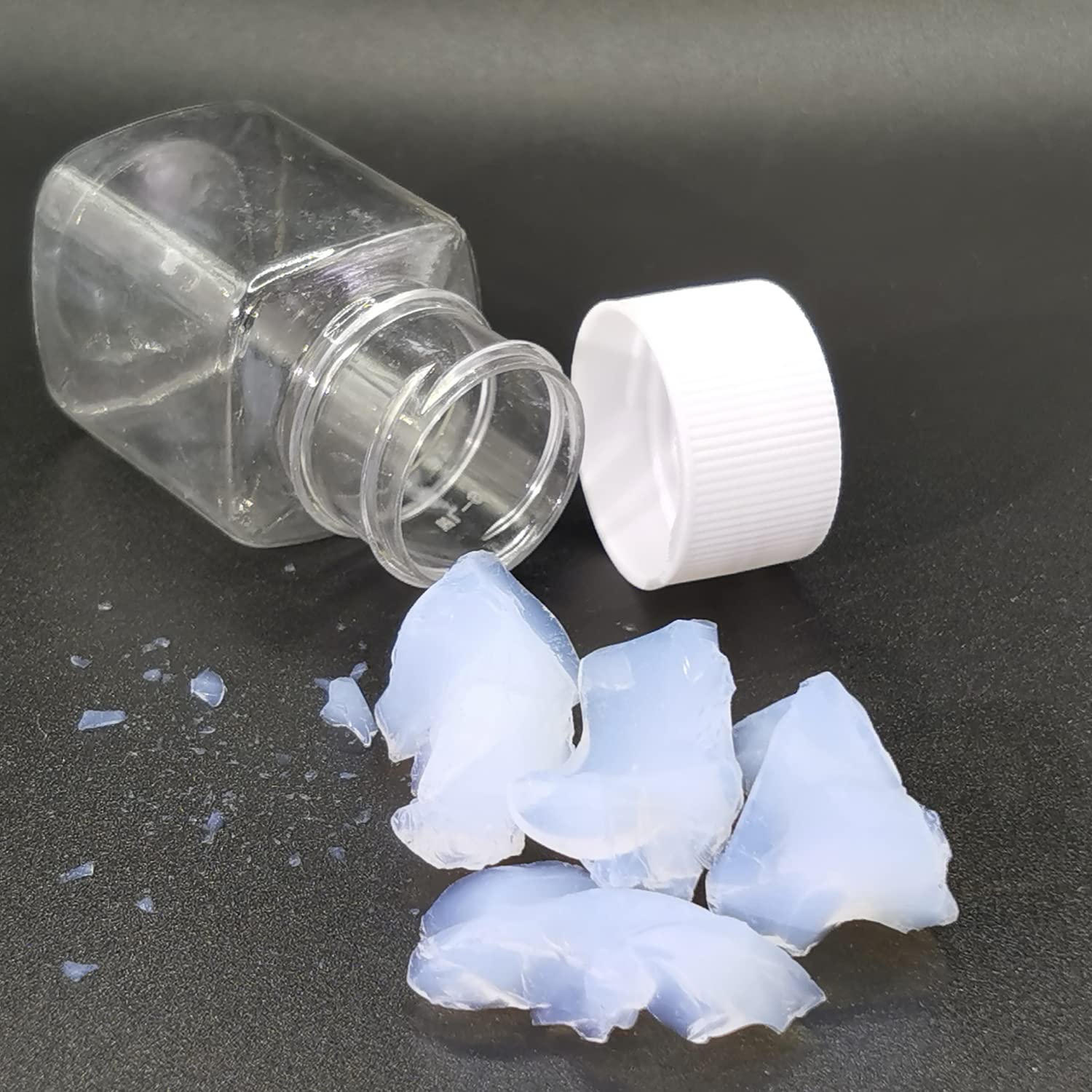
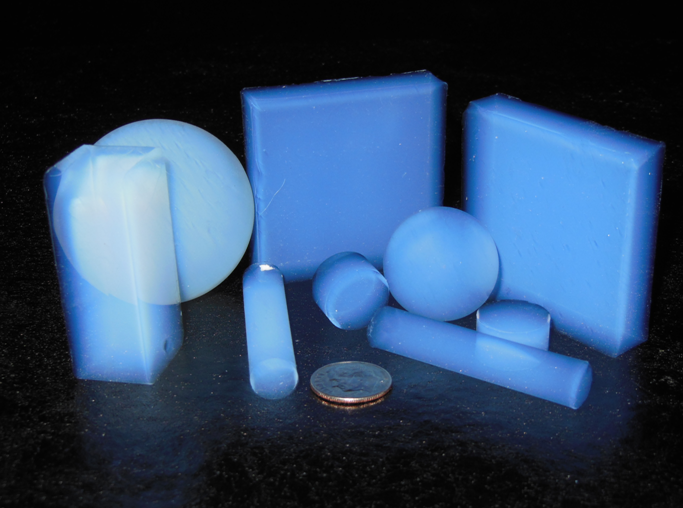
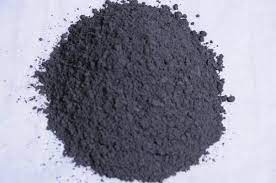
Form: Monolith, granule, powder, or flexible blanket composite
-
Color: Translucent to opal white
-
Particle size (granules): 0.5–5 mm
-
Bulk density: 80–150 kg/m³
-
Porosity: 90–98%
-
Hydrophobicity: >99% water repellent (optional hydrophilic grade)
-
-
Packaging options: Sealed aluminum-lined bags (10–20 kg), FIBCs (500 kg), or custom moisture-barrier drums
-
Shelf life: 24 months in unopened, dry packaging (store at <50% RH, 5–35°C)
3. Core Industrial Applications
-
Oil & gas / subsea pipelines: Reduces insulation thickness by 60% vs mineral wool, enabling deeper water operations with lower buoyancy cost.
-
Building & construction (curtain walls, roof decks): Achieves passive house standards at ½ the thickness of fiberglass, eliminating thermal bridging.
-
LNG & cryogenics: Maintains peak efficiency in -162°C environments where traditional insulants crack or absorb moisture.
-
Aerospace & defense: Fireproof (UL94 V-0), outgassing-compliant (ASTM E595), and weight-critical for aircraft flooring and missile systems.
-
Industrial process equipment (steam traps, reactors): Lowers surface temperature from 200°C to <50°C with only 10 mm aerogel blanket.
Performance advantage: Superior at high temperatures (up to 650°C continuous) and in vibration-prone environments due to flexible blanket formats.
4. Competitive Advantages
-
Quality consistency: Lot-to-lot thermal conductivity variation <±3% (tested per ASTM C177).
-
Supply reliability: Dual-sourced precursor supply (TEOS / sodium silicate) with 50MT monthly production capacity.
-
Logistics capability: Global hub warehouses (Rotterdam, Houston, Shanghai) enable 5-day delivery to major ports.
-
Price competitiveness: Tiered pricing for blanket vs powder; volume discounts from 20MT reduce cost/W·m·K by 35% vs European incumbents.
-
Sustainability benefits: 100% recyclable silica content; manufacturing process with 40% lower embodied carbon than traditional aerogel methods (verified LCA).
-
Technical support: Full CAD library, thermal modeling software access, and on-site application engineering included for contracts >10MT.
5. Commercial & Supply Information
-
Minimum Order Quantity (MOQ): 1,000 kg (granules/powder) or 500 m² (aerogel blanket rolls)
-
BULK 20MT Loading capacity: 20 metric tons per 20-ft container (FIBC palletized)
-
Container load density:
-
Powder/granules: 20 MT per 20’ dry container
-
Blanket rolls: 16–18 MT per 20’ container (depending on thickness: 3mm–10mm)
-



Reviews
There are no reviews yet.