
Description
1. Product Overview
Rice Bran (Defatted / Stabilized) is a high-fiber, low-fat functional ingredient derived from the outer layer of the rice kernel, following controlled oil extraction and enzymatic stabilization to neutralize lipase activity. Its primary industrial application is as a scalable, nutrient-dense base for animal feed, health-food formulations, and fermentation substrates. The key value proposition—βeta-glucosidase content—enables enhanced bioactive aglycone release (e.g., ferulic acid, genistein), directly impacting gut health, antioxidant performance, and metabolic efficiency in monogastric and ruminant diets. Strategically, it converts a low-value milling byproduct into a high-stability, export-ready raw material, reducing supply chain waste and replacing more costly grains like corn or wheat bran in global feed matrices.
2. Key Specifications & Technical Characteristics
-
Chemical composition (typical):
Crude protein: 14–16%
Crude fat (residual): ≤2.5%
Crude fiber: 11–14%
Ash: 8–10%
Beta-glucosidase activity: ≥25 U/g (stabilized, dry basis)
Phytic acid: 6–8% (naturally occurring) -
Purity / grade: Industrial food/feed grade (non-GM, aflatoxin within EU/Codex limits – B1 ≤5 ppb)
-
Physical characteristics:
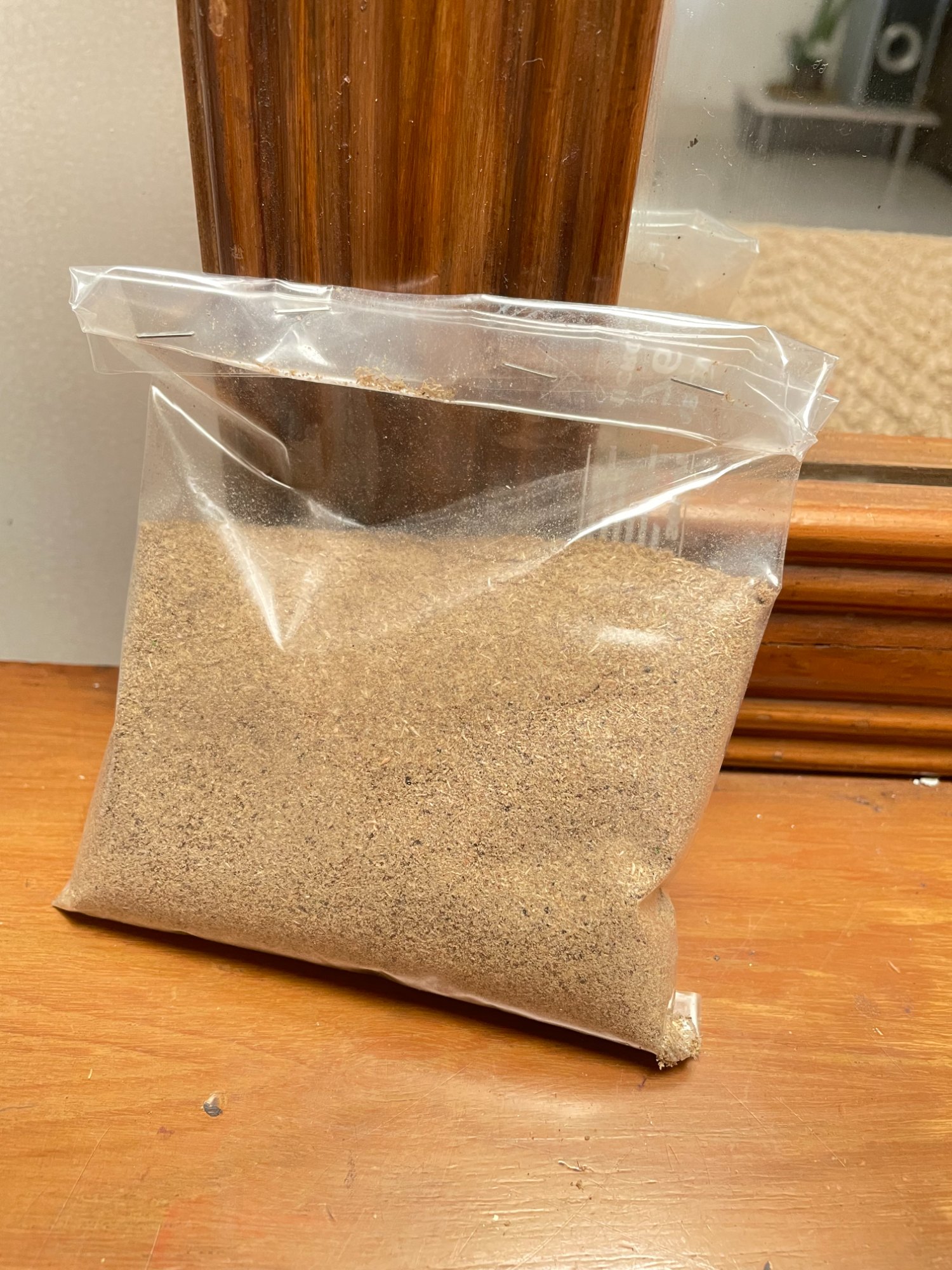
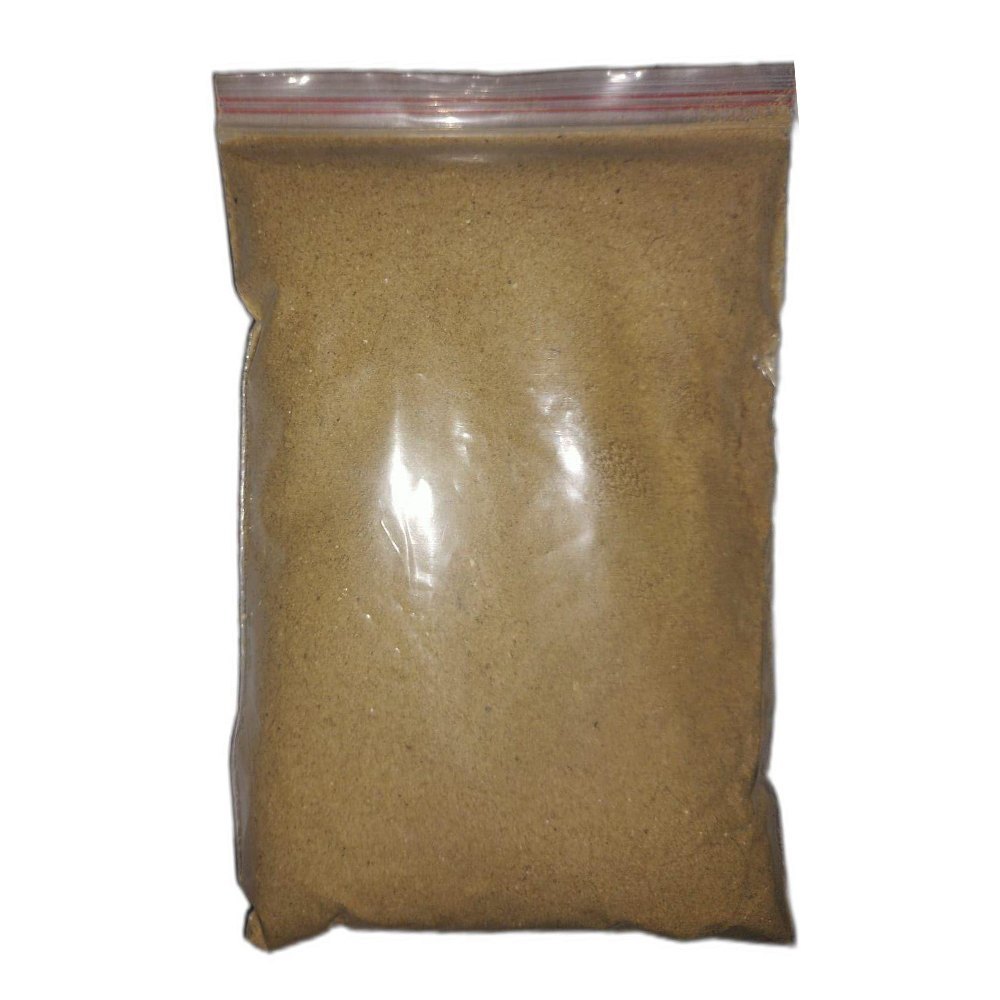
Form: Fine powder to free-flowing granular meal
Color: Light tan to brown
Particle size: 95% passing through 40 mesh (425 μm)
Bulk density: 320–380 g/L (loose) -
Packaging options (industrial):
-
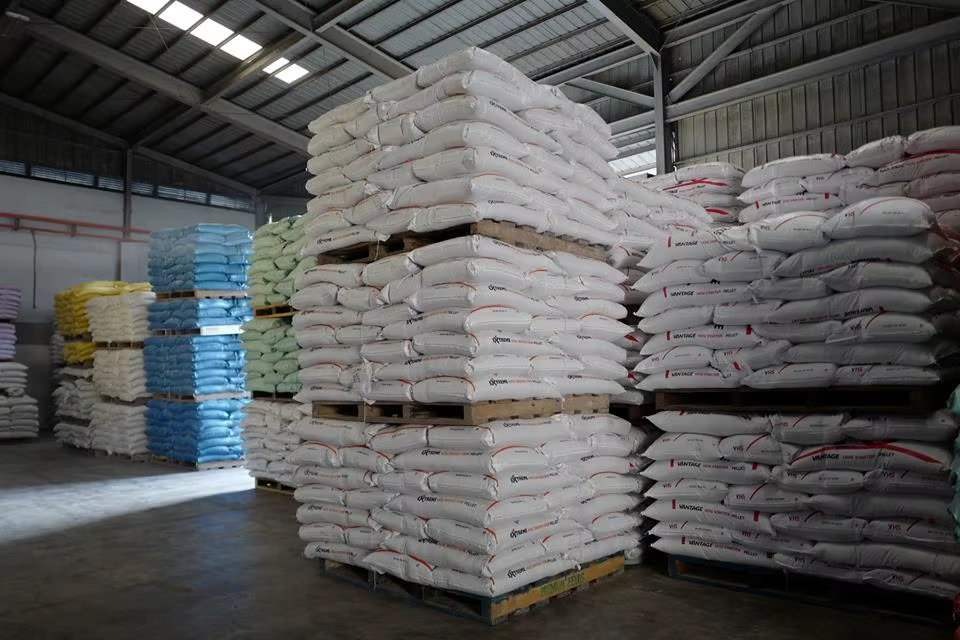
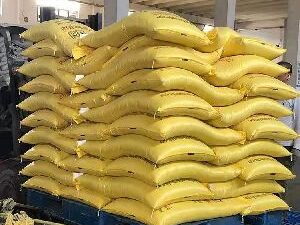
25 kg multi-wall paper bags with PE liner
-
500–1000 kg FIBC (woven polypropylene)
-
In-bulk pneumatic tanker (for large-scale feed compounders)
-
-
Shelf life: 18 months (stabilized) when stored in cool (<25°C), dry (RH <65%) conditions, away from direct light
3. Core Industrial Applications
-
Animal feed (swine, poultry, aquaculture, dairy) – Replaces 10–25% of corn or wheat bran in grower/finisher diets. The defatted, stabilized matrix prevents rancidity and oxidative stress, while beta-glucosidase improves non-starch polysaccharide (NSP) digestibility, lowering feed conversion ratios (FCR) by 3–5% versus untreated rice bran.
-
Functional food & nutraceutical base – Used as a substrate for fermentation (e.g., tempeh, koji, probiotic carriers) or directly incorporated into high-fiber bakery, snacks, and meat analogues. Beta-glucosidase activity in stabilized bran cleaves glycosidic bonds in isoflavones and lignans, increasing bioavailable antioxidant capacity without added enzymes.
-
Industrial fermentation (yeast, enzymes, organic acids) – Serves as low-cost carbon/nitrogen source for Aspergillus and Saccharomyces strains. Compared to corn steep liquor or wheat bran, defatted rice bran offers slower carbohydrate release and higher endogenous beta-glucosidase, reducing external enzyme addition by up to 30% in cellulase production.
Why superior to alternatives:
Stabilization eliminates lipase-induced souring; defatting removes triglycerides that oxidize during storage; native enzymes remain active — unlike heat-only stabilized bran — enabling biofunctional claims and process integration.
4. Competitive Advantages
-
Quality consistency – Single-origin sourcing from high-yield indica rice mills; each lot tested for residual fat (≤2.5%), aflatoxin, and beta-glucosidase activity via ISO 17025-accredited labs.
-
Supply reliability – Dedicated stabilization line (steam + vacuum) with 10,000 MT/month capacity; buffer inventory of 2,000 MT maintained at ports.
-
Logistics capability – Containerized or break-bulk shipments from major Southeast Asian ports (Laem Chabang, Jakarta, Ho Chi Minh) with 14-day lead time for FCL orders.
-
Price competitiveness – 12–18% lower cost per unit of digestible fiber/enzymatic activity than oat bran, and 20% below soy hulls in Southeast Asian markets (volume-weighted, FOB terms).
-
Sustainability – Zero additional land use; valorizes rice milling waste (previously burned or landfilled); carbon footprint 0.8 kg CO₂e/kg — 40% lower than corn bran transport-equivalent.
-
Technical documentation – Full spec sheet, SDS, COA, nutritional matrix, enzyme activity profile, and stability study report available in 3 languages (EN, CN, TH).
5. Commercial & Supply Information
-
Minimum order quantity (MOQ): 20 metric tons (MT) – loose container load (FCL) basis
-
Loading capacity (MT per container):
-
20-ft GP container: 20 MT (max net, bagged or FIBC)
-
40-ft HC container: 26 MT (max net, bagged / palletized)
-
Bulk pneumatic container (flexitank-type): Not applicable — powder requires bagged or FIBC
-
All shipments FOB (origin port) recommended; CIF/CFR available upon volume commitment and credit review.
Reviews
There are no reviews yet.