
Description
1. Product Overview
Sesame Meal is a high-protein, high-fiber coproduct derived from mechanical oil extraction of premium sesame seeds (Sesamum indicum). Its primary industrial use is as a nutrient-dense feed ingredient in compound animal feed formulations, particularly for ruminants, poultry, and aquaculture. The key value proposition is its exceptional balance of methionine, calcium, and digestible fiber, offering a cost-effective alternative to soybean meal while supporting gut health and milk/meat quality. Strategically, Sesame Meal addresses global demand for non-GMO, low-risk protein sources amid volatile soy supply chains, making it a hedge against commodity risk and a lever for sustainable sourcing mandates.
2. Key Specifications & Technical Characteristics
-
Chemical composition: Protein (min. 42% as is), fat (6–10%), crude fiber (max. 9%), moisture (max. 10%), ash (max. 12%), calcium (2.1–2.5%), methionine (0.7–0.9%)
-
Purity level / grade: Feed-grade, solvent-extracted or mechanically pressed (expeller variety available)
-
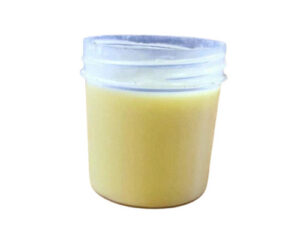
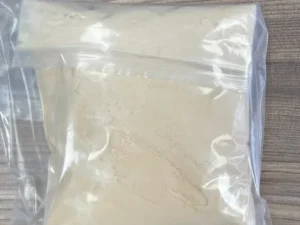
Physical characteristics: Fine to medium meal; light to dark brown color; free-flowing powder; particle size 95% passing through 2mm sieve; bulk density 550–650 kg/m³
-
Packaging options: 25 kg multi-wall paper bags, 1 MT jumbo bags, or bulk pneumatic tankers
-
Shelf life: 12 months in dry, ventilated conditions below 25°C; 6 months in tropical climates (RH < 65%)
3. Core Industrial Applications
-
Primary industries: Compound feed manufacturing, integrated livestock operations, dairy and beef finishing, poultry layer/broiler feed, aquaculture (tilapia, shrimp)
-
Operational use cases:
-
Ruminant diets: Replaces 15–30% of soybean meal in lactating cow TMR; improves milk fat due to elevated fiber digestibility.
-
Poultry feed: Limiting amino acid (methionine) reduces synthetic DL-methionine addition by 10–15%, lowering formulation cost.
-
Aquafeed: Binds pellets effectively; calcium content supports exoskeleton development in shrimp.
-
-
Performance advantage: Lower urease activity vs. raw soybean meal → no anti-nutritional factors → no thermal processing required. Superior palatability and 12% higher calcium bioavailability than canola meal, reducing limestone supplementation.
4. Competitive Advantages
-
Quality consistency: ISO 22000 & GMP+ certified facilities; every lot tested for aflatoxin (max 10 ppb), E. coli, and pesticide residues, with COA provided digitally.
-
Supply reliability: Year-round production from vertically integrated crushing plants in India, Sudan, and Nigeria – buffer stock of 5,000 MT maintained at Rotterdam and Houston hubs.
-
Logistics capability: 48-hr dispatch ex-warehouse key ports; container tracking API integration for procurement systems.
-
Price competitiveness: 15–20% lower price per unit of digestible protein vs. soybean meal (CIF basis, 12‑month average).
-
Sustainability: Coproduct of non-GMO, rain-fed sesame – reduces land-use change emissions by 40% vs. soy protein isolate; Scope 3 reduction claims supported by LCA data.
-
Technical support: Ruminant/poultry nutritionist team provides formula matrix values, digestibility coefficients, and mycotoxin risk management protocols.
5. Commercial & Supply Information
-
Minimum order quantity (MOQ): BULK 20 MT (or one full 20’ container equivalent)
-
Loading capacity per container:
-
20’ dry container: 20–22 MT (jumbo bags or bulk liner)
-
40’ dry container: 26–28 MT (bagged, palletized)
-
Bulk vessel: 3,000–12,000 MT (self-unloaders optional)
-

Reviews
There are no reviews yet.