
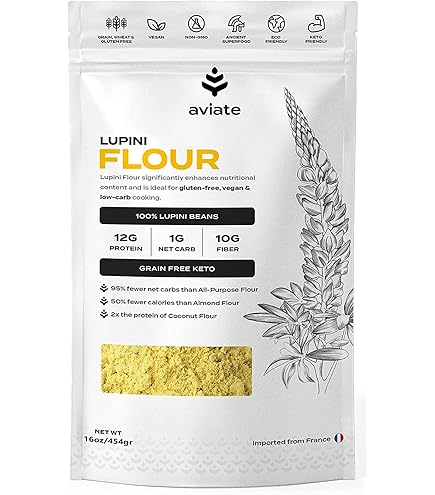
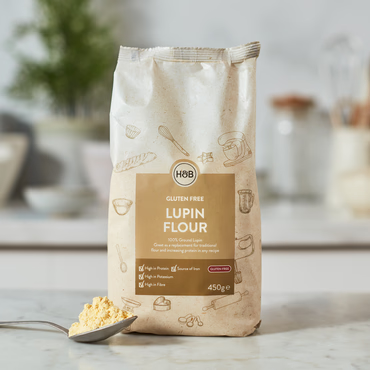
Description
1. Product Overview
Lupin Meal is a high-protein, non-GMO botanical ingredient derived from the dehulling and mechanical extraction of sweet lupin seeds (Lupinus spp.). Its primary industrial application is as a premium alternative to soybean and canola meals in compound feed formulations for ruminants, aquaculture, and swine. The key value proposition lies in its uniquely high crude protein content combined with low alkaloid levels and superior amino acid digestibility. Strategically, Lupin Meal is critical for formulators seeking to reduce reliance on imported soy, mitigate enteric methane emissions in cattle, and meet clean-label protein demands in the global agrifeed sector.
2. Key Specifications & Technical Characteristics
-
Chemical Composition: Crude protein (minimum 38%), crude fiber (12–15%), crude fat (6–8%), moisture (max 10%), ash (max 6%)
-
Purity Level: Dehulled, micronized, and mechanically expelled; alkaloid content <0.02% (sweet variety)
-
Physical Characteristics: Fine granular meal; light cream to pale yellow color; 95% passes through 500 µm sieve; bulk density 650–700 kg/m³
-
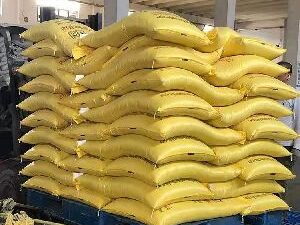
Packaging Options: 1 MT bulk polywoven jumbo bags; 25 kg multi-wall paper sacks (food-grade); pressurized bulk pneumatic tanker delivery
-
Shelf Life: 12 months when stored in dry, ventilated conditions (<25°C, <70% RH)
3. Core Industrial Applications
-
Ruminant Feed (Dairy & Beef): Replaces 30–50% of soybean meal in TMR (total mixed rations). Lupin Meal’s by-pass protein fraction (RUP) increases milk protein yield by 6–8% versus canola meal, with lower methionine supplementation cost.
-
Aquafeed (Salmon, Trout, Shrimp): Provides essential arginine (7.2 g/100g protein) and palatable texture for extrusion. Outperforms pea protein concentrate in water stability and feed conversion ratio (FCR improvement of 0.15–0.20).
-
Swine (Weaner & Grower): Used at 15–20% inclusion due to low oligosaccharide content (reduces post-weaning diarrhea risk). Superior phosphorus digestibility (65% vs. 45% in soybean meal) reduces inorganic phosphate additive needs.
4. Competitive Advantages
-
Quality consistency: ISO 22000:2018-certified facilities with NIR-based real-time protein adjustment per batch; each container verified for mycotoxin (AFB1 <2 ppb) and alkaloid content.
-
Supply reliability: Vertically integrated from contract farms across EU and Australia; year-round availability with 4-week lead time; safety stock held in three regional hubs.
-
Logistics capability: Direct loading to 40ft containers or pneumatic trailers; demurrage risk minimized via pre-cleared documentation for US, EU, and SE Asia ports.
-
Price competitiveness: Typically USD 70–90/MT below GMO-free soybean meal (CIF basis) with lower carbon footprint (0.8 kg CO₂e per kg protein vs. 2.1 kg for soybean meal).
-
Sustainability: Zero deforestation chain; byproduct of lupine starch production (circular economy model). Available with RTRS-equivalent certification and GHG emissions declaration.
-
Technical support: Full proximate analysis, amino acid profile, and anti-nutritional factor report included with each commercial shipment.
5. Commercial & Supply Information
-
Minimum Order Quantity (MOQ): BULK 20MT (one full 20ft container equivalent)
-
Loading capacity: 24 MT per 20ft standard container (palletized jumbo bags); 26 MT per 40ft high-cube container (floor-loaded, stretch-wrapped). Bulk pneumatic trailers: 25 MT per load.
Reviews
There are no reviews yet.