

Description
1. Product Overview
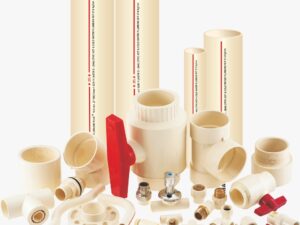
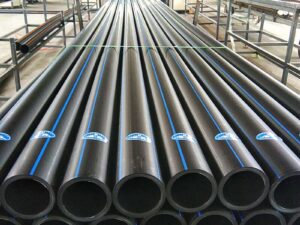
The uPVC Pipes presented here represent a high-integrity, rigid thermoplastic solution engineered for non-pressurized and low-pressure conveyance of aggressive fluids, potable water, and chemicals. Their primary industrial use spans municipal water distribution, sewage systems, and industrial effluent handling—where metal corrosion and concrete degradation compromise lifecycle value. The key value proposition is an exceptional strength-to-weight ratio combined with zero internal plasticizers, eliminating leaching risks and ensuring decades of maintenance-free service. Strategically, uPVC pipes are critical to global infrastructure modernization, offering a cost-deflationary alternative to ductile iron while complying with ISO 1452 and EN 1401 standards.
2. Key Specifications & Technical Characteristics
-
Chemical Composition: Unplasticized Polyvinyl Chloride (uPVC) – no phthalate or adipate plasticizers; <1.5% titanium dioxide UV stabilizer
-
Grade: Industrial pressure class PN6, PN10, PN16 (ISO 1452-2); or non-pressure SN2 / SN4 (EN 1401)
-
Physical Characteristics:
-
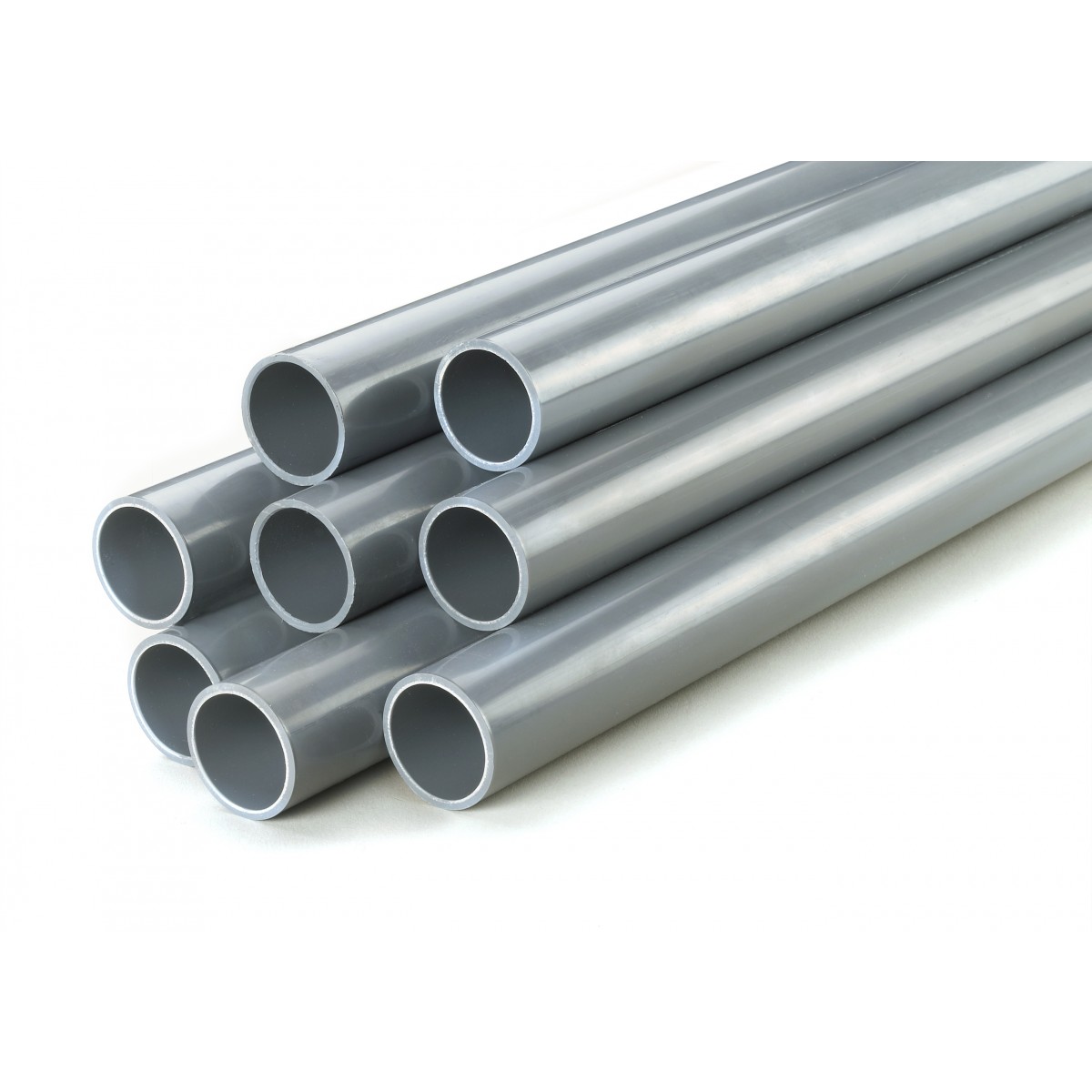
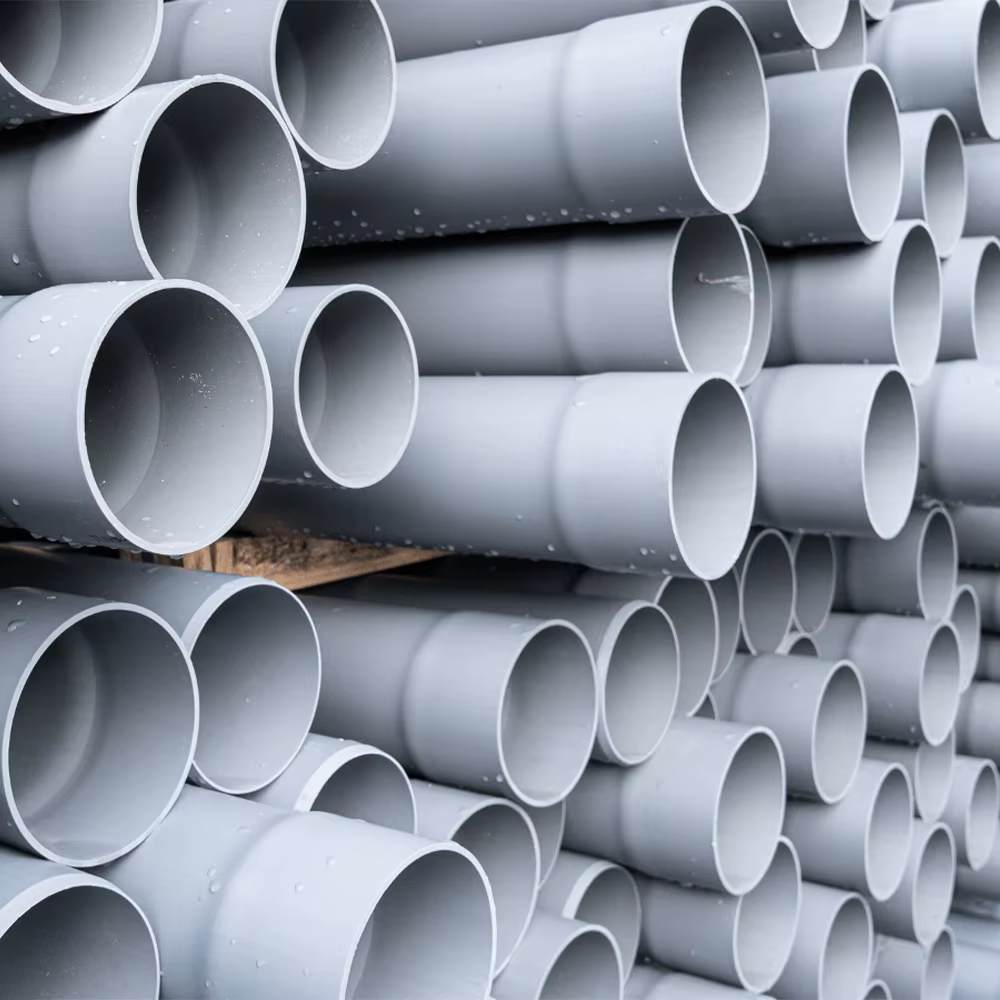
Form: Rigid, smooth-bore, solid-wall pipe
-
Color: Light gray (UV-stabilized) or white (potable water grade)
-
Density: 1.38 – 1.42 g/cm³
-
Outer diameter range: 20 mm – 630 mm
-
Standard length: 6 m (custom 3 m / 12 m available)
-
-
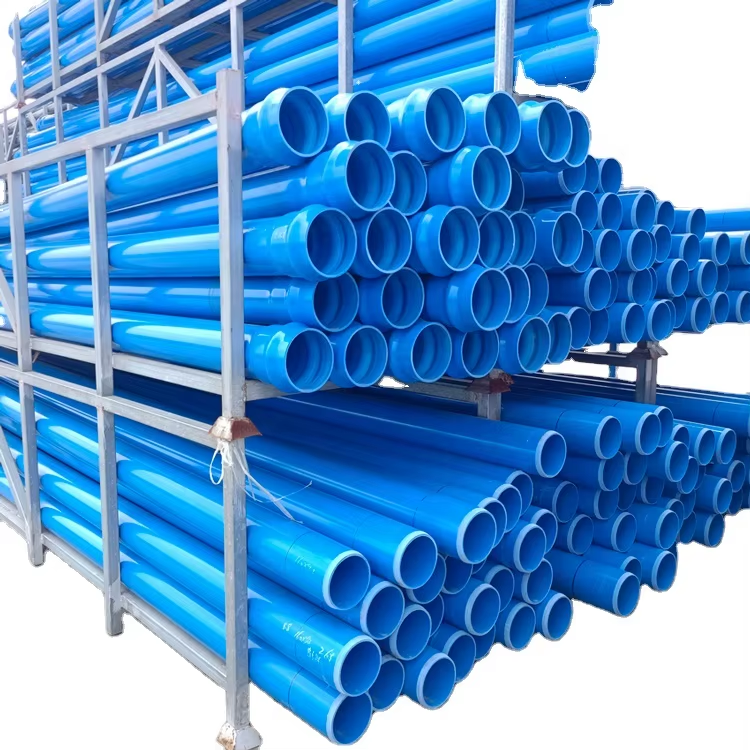
Packaging Options: Hexagonal or square bundles with anti-crush spacers; PE shrink-wrapped + steel strapping for export
-
Shelf Life: >10 years in indoor dry storage (avoid direct UV for white grade); no chemical degradation over time
3. Core Industrial Applications
-
Municipal Water & Wastewater: Gravity sewer mains, stormwater drainage, and treated water transmission lines. uPVC outperforms concrete (no H₂S corrosion) and HDPE (higher ring stiffness at same wall thickness).
-
Industrial Effluent & Chemical Processing: Conveyance of acids (pH 2–12, <60°C), saline solutions, and mining tailings. Superior to carbon steel due to zero rust and lower friction loss (Hazen-Williams C=150 vs. C=100 for steel).
-
Agricultural Irrigation & Land Drainage: Subsurface drainage networks and pressurized drip systems. Cost advantage over galvanized iron: 40% lower installed cost and 3x faster joining via solvent cement.
4. Competitive Advantages
-
Quality Consistency: ISO 9001:2025 certified production with 100% hydrostatic pressure testing per batch; dimensional tolerance exceeds ASTM D1785 by ±0.2 mm.
-
Supply Reliability: 4 manufacturing hubs (SE Asia, Middle East, Europe) enabling 14-day lead time to major ports; buffer stock of 2,500 MT maintained.
-
Logistics Capability: Container-optimized nesting design reduces shipping volume by 18% vs. loose packing.
-
Price Competitiveness: Tier-1 polymer sourcing (OQ, INEOS) directly negotiated, passing 8–12% savings vs. spot buyers.
-
Sustainability: 100% lead-free stabilizers (calcium-zinc); pipes are mechanically recyclable into uPVC fittings and non-pressure conduits.
-
Technical Support: Full EPD (Environmental Product Declaration) + BIM objects available; on-site jointing training for large contracts.
5. Commercial & Supply Information
-
Minimum Order Quantity (MOQ): BULK 20 MT (mix of diameters allowed, max 3 sizes)
-
Loading Capacity per 20ft Container: 10–12 MT (depending on diameter stack efficiency)
-
Loading Capacity per 40ft HC Container: 22–24 MT (full container load recommended for cost optimization)

Reviews
There are no reviews yet.