
Description
Product Overview
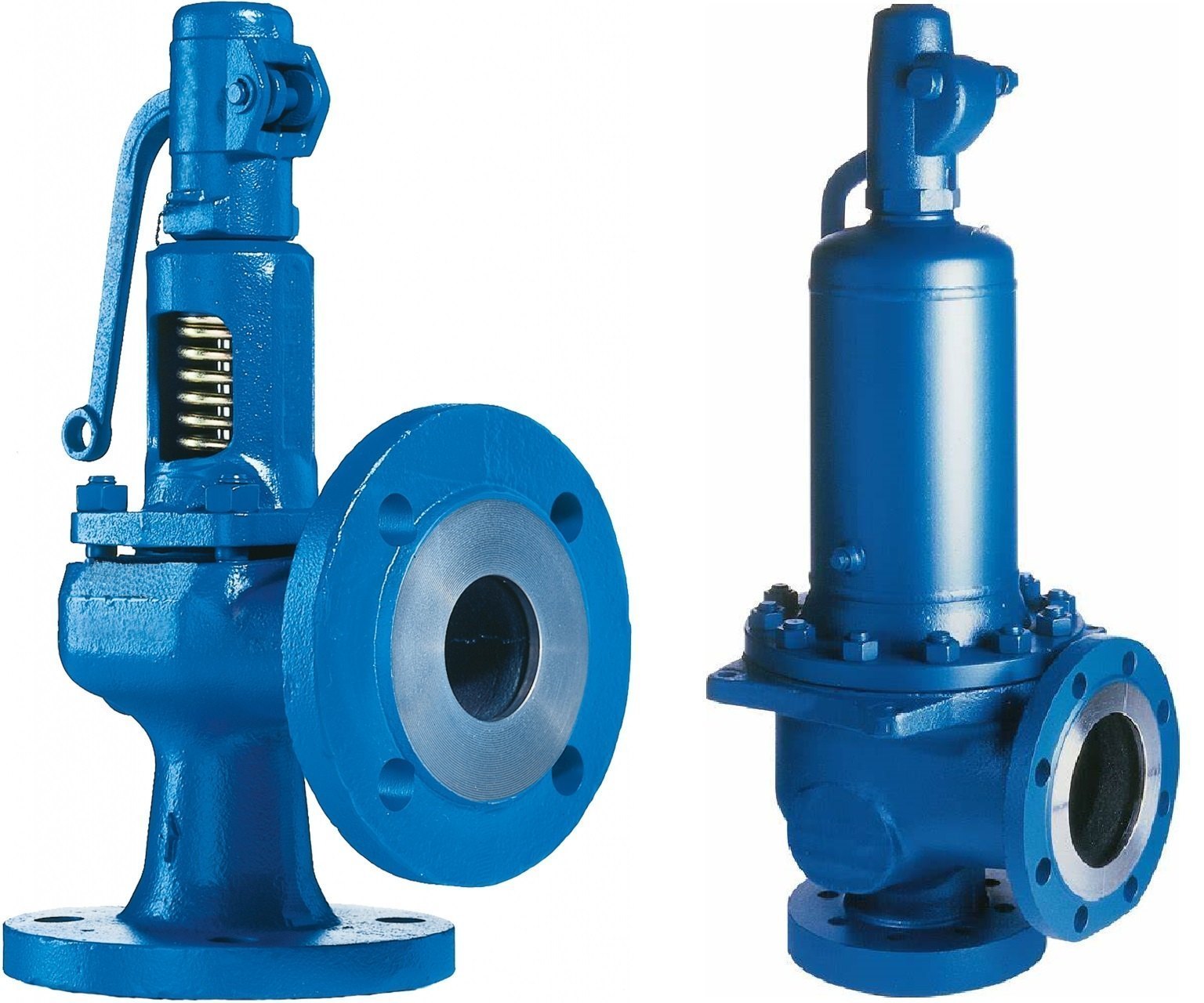
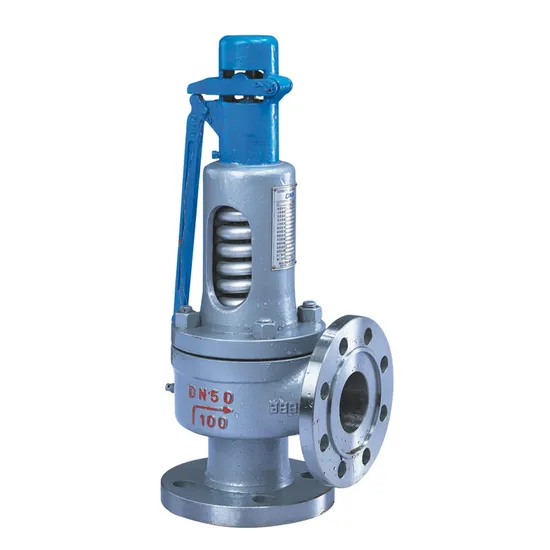
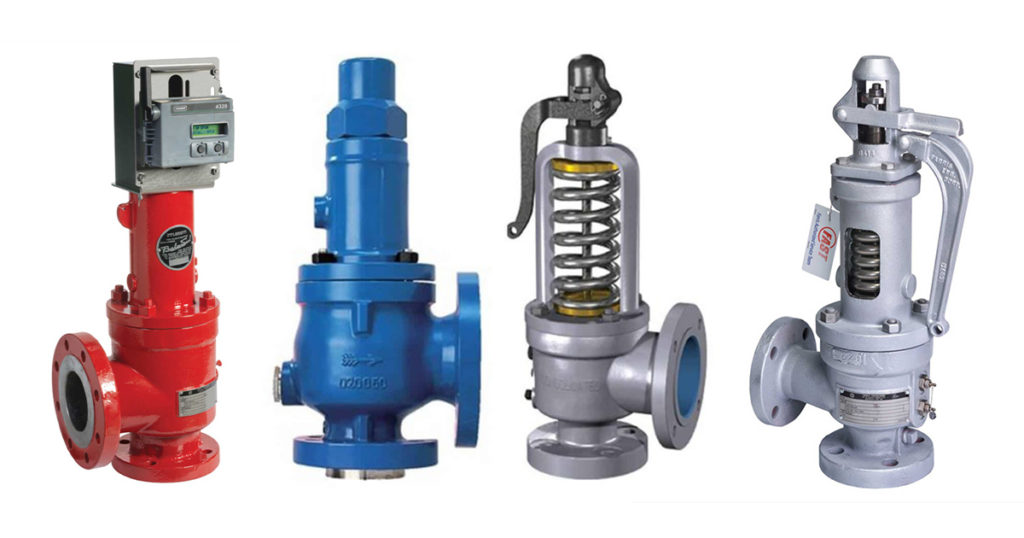
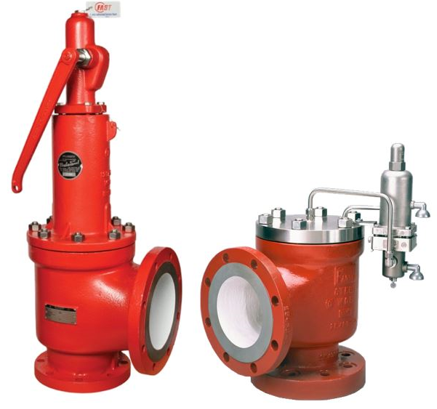
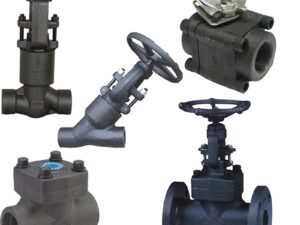
Pressure safety valve (PSV) — a precision-engineered, spring-loaded safety relief device designed to protect pressurized systems by automatically venting excess pressure when setpoints are exceeded. Widely used across oil & gas, petrochemical, power generation, chemical processing, and industrial manufacturing, this PSV ensures operational safety, regulatory compliance, and asset protection. Key value propositions include rapid, repeatable response at certified setpoints, engineered leak-tight sealing to prevent fugitive emissions, and modular construction for easy maintenance and calibration. Strategically, reliable PSVs reduce unplanned downtime, mitigate catastrophic risk, and form a central element of process safety management (PSM) programs required by major industrial operators and regulators.
Key Specifications & Technical Characteristics
-
Model family: spring-loaded direct-acting or pilot-operated variants, configurable to API 526/520 and ASME Section I/III/VIII standards.
-
Materials of construction: trim options in SS316/SS316L, duplex stainless steel, Inconel X-750 springs, carbon steel or low-temperature carbon steel bodies; nickel, Hastelloy or Monel available on request.
-
Pressure range: setpoint configurable from vacuum to 2,500 bar (up to customer specification); standard ranges 0.1–100 bar, 100–600 bar, and above.
-
Temperature rating: -196 °C to +600 °C depending on materials and trim selection (cryogenic and high-temperature designs available).
-
End connections: flanged (ANSI/ASME B16.5/B16.47), butt weld, threaded; custom connections on request.
-
Flow capacity: API-defined flow coefficients (Cv and Kv) and discharge capacities per API 526; sizing available to ensure required blowdown and overpressure control.
-
Setpoint tolerance and repeatability: ±3% typical, certified testing to ±1–2% available.
-
Seal and seat materials: metal-to-metal or soft-seat (PTFE, PEEK, secondary elastomers) based on application; low-leakage sealing options for emission-sensitive sites.
-
Certification and testing: certified to API, ASME, CE/PED, ISO 9001 quality management; factory-calibrated and tested with detailed test certificates and calibration reports.
-
Physical characteristics: typical body weights, dimensions, and face-to-face lengths supplied per model and pressure class; corrosion-resistant coatings and surface finishes available.
-
Packaging options: industrial crating, wooden export cases, and container-ready bulk packaging with desiccants and anti-corrosion protection; spares and repair kits packaged separately.
-
Shelf life/maintenance: not applicable as a consumable; recommended in-service inspection intervals per API/ASME guidelines; spare parts availability guaranteed.
-
Documentation: full material traceability (MTR), FAT reports, installation, operation & maintenance (IOM) manuals, and certificate packages provided with each shipment.
Core Industrial Applications
-
Oil & Gas Upstream and Downstream: wellhead and production separators, compressor stations, gas processing trains, and refining units—protects vessels, heat exchangers, and pipeline segments from overpressure events.
-
Petrochemical & Chemical Processing: reactors, storage tanks, and distillation towers—prevents overpressure during thermal excursions, blockages, and runaway reactions.
-
Power Generation: steam boilers, turbines, and heat-recovery systems—critical for overpressure protection in high-temperature, high-capacity steam applications.
-
Industrial Gas & Cryogenics: liquefied gas storage and transfer systems—specialized cryogenic PSVs protect against thermal expansion and pressure build-up.
-
Manufacturing & Process Plants: compressed air systems, hydraulic accumulators, and solvent storage—prevents equipment failure and improves safety compliance.
Why this product outperforms alternatives -
Engineered for precise setpoint control and low blowdown to minimize product loss while ensuring safety.
-
Wide material and trim options enable selection for corrosive, high-temperature, and high-purity service where generic relief devices fail.
-
Configurable pilot-operated designs offer higher capacities and tighter pressure control than simple direct-acting valves, improving system efficiency.
-
Low-leak and soft-seat options reduce fugitive emissions and operational losses, yielding cost savings and regulatory advantages.
Competitive Advantages
-
Quality consistency: manufactured to tight QA/QC standards, 100% factory testing, and full traceability on materials and heat numbers.
-
Supply reliability: scalable production capability with safety stock for critical components; structured lead-time commitments for bulk and repeat orders.
-
Logistics capability: export-ready packaging, consolidated container loading, and partnerships with global freight carriers for on-time delivery to major industrial hubs.
-
Price competitiveness: tiered pricing for volume procurement, long-term supply agreements, and options for modular repair kits to lower total cost of ownership.
-
Sustainability: materials and designs that minimize emissions (low-leak options), repairable modular trims to extend service life, and packaging optimized to reduce waste.
-
Technical support: comprehensive pre-sale engineering (sizing, setpoint recommendation, failure-mode analysis), on-site commissioning support available, and detailed documentation including calibration certificates and maintenance schedules.
Commercial & Supply Information
-
Minimum order quantity (MOQ): BULK 20MT.
-
Loading capacity (MT per container): standard 20-foot container (approx. 20 MT) and 40-foot high-cube (approx. 26–28 MT) depending on valve model, palletization, and accessory packaging; specialized heavy-lift or flat-rack options for oversized units available on request.
Reviews
There are no reviews yet.