
Description
-
Product Overview
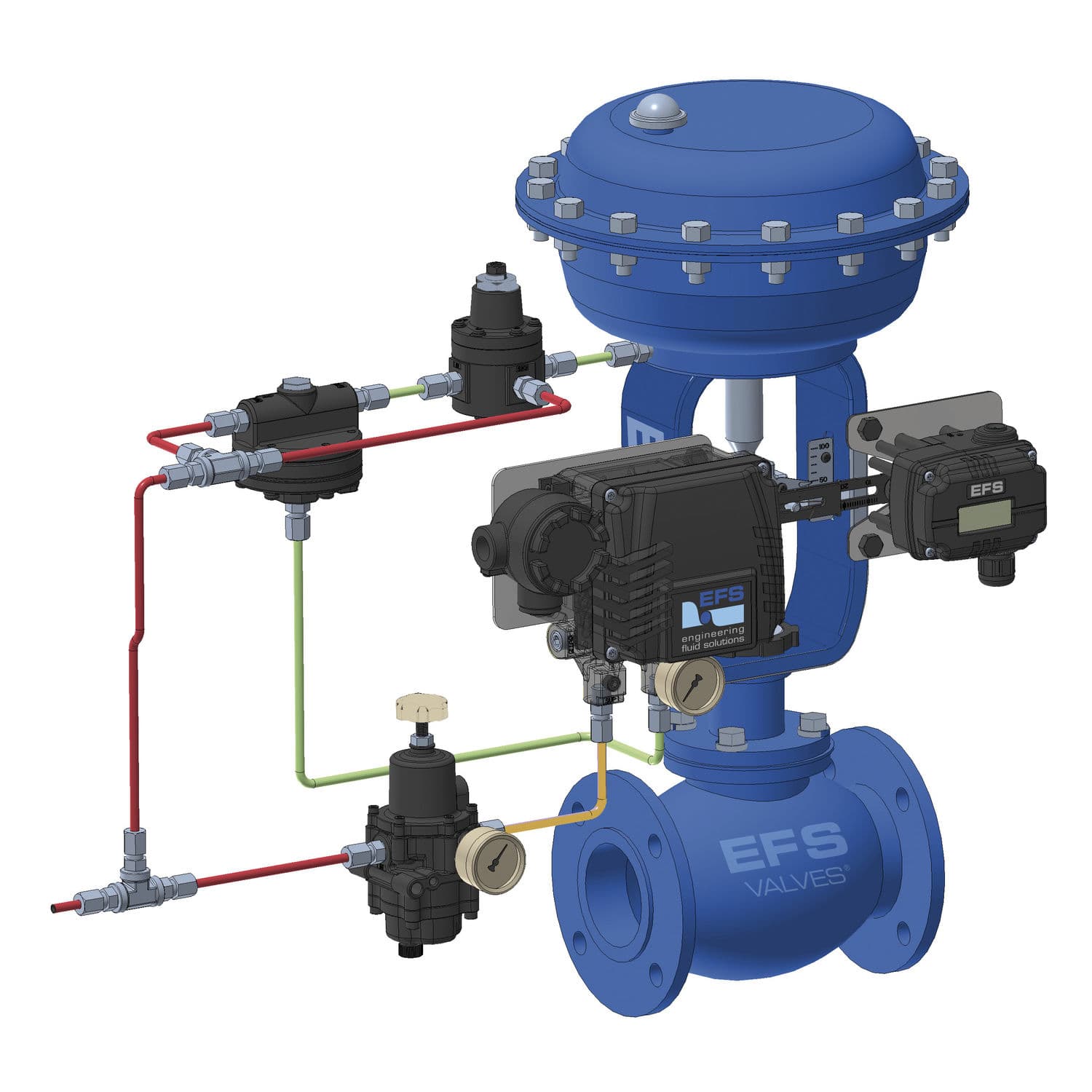
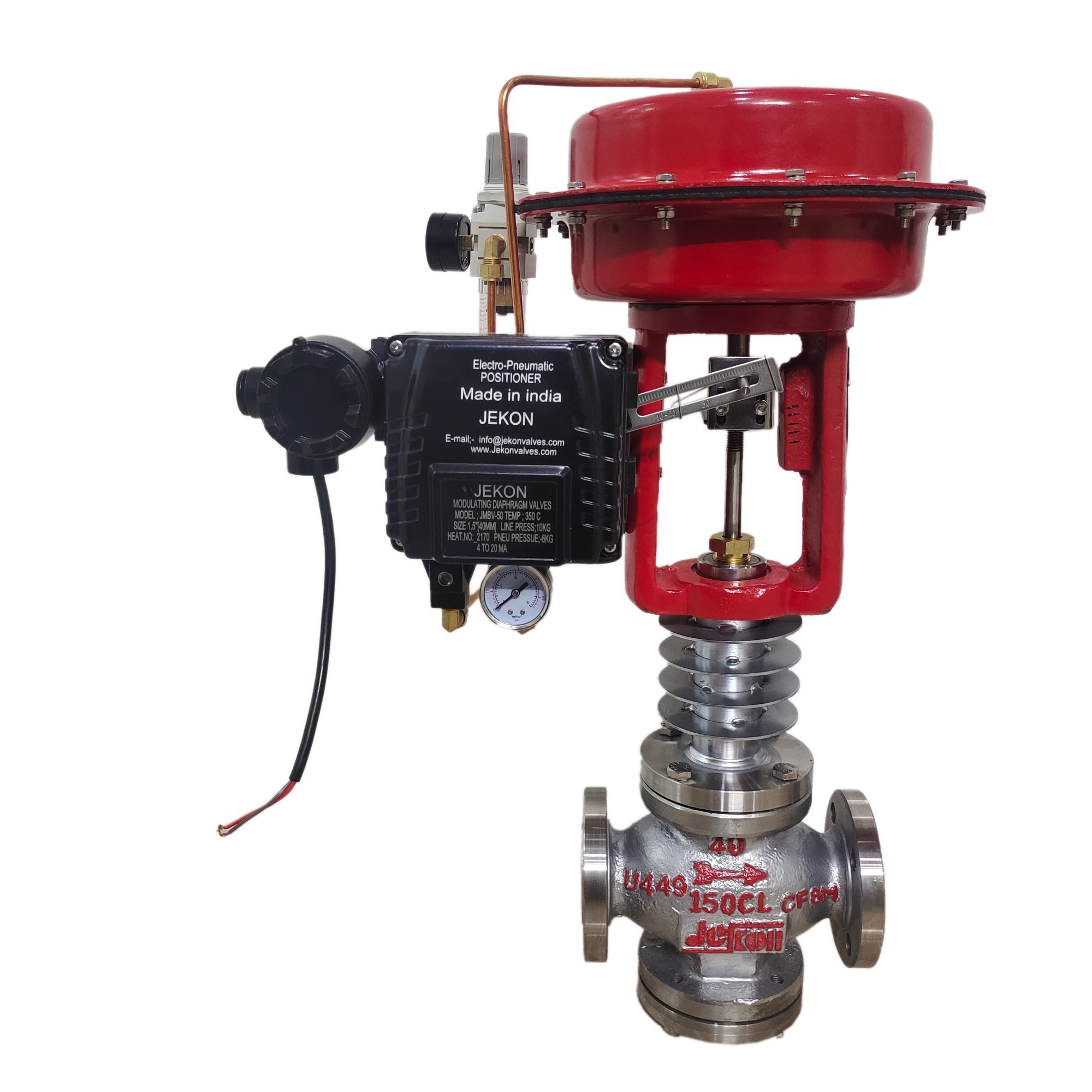
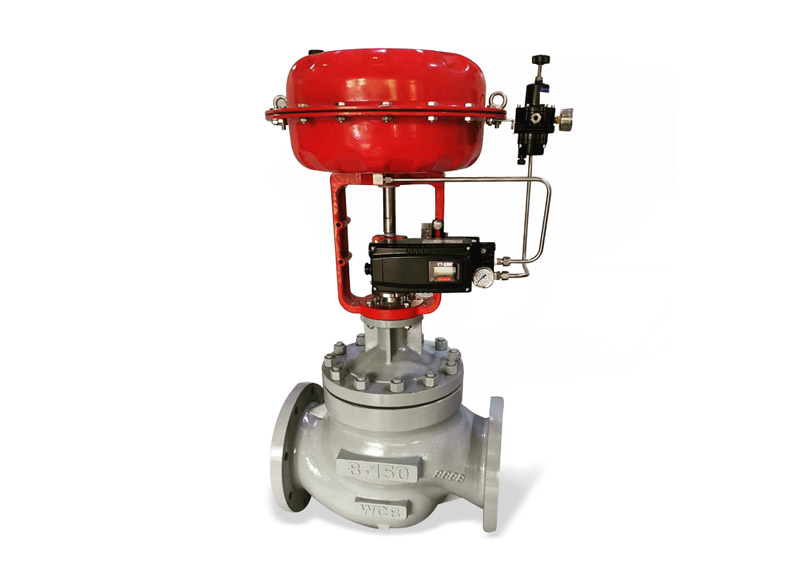
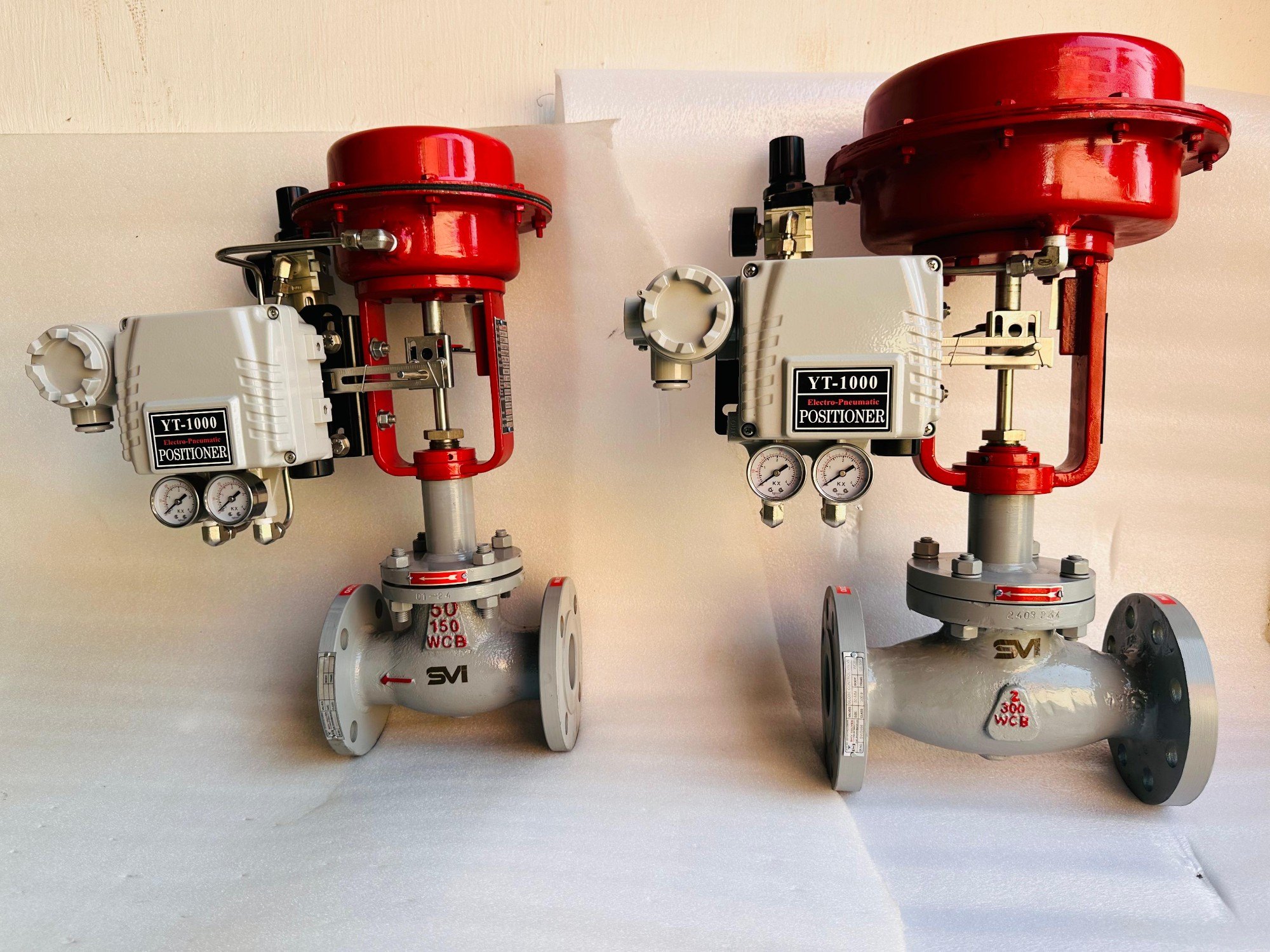
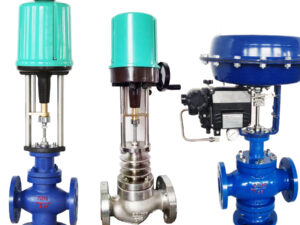
Pneumatic control valve — an industrial-grade valve that uses compressed air to actuate a modulating valve element for precise control of flow, pressure, level, or temperature in process systems. It is primarily used in oil & gas, chemical processing, power generation, water & wastewater, and petrochemical plants to translate control signals into reliable mechanical valve positioning. The valve delivers high-resolution control, rapid response, and proven fail-safe actuation to optimize process stability, reduce off-spec production, and lower total cost of ownership. As a strategically important component in automated process control, it enables tighter control loops, improved plant availability, and simplified maintenance protocols across large-scale industrial operations. -
Key Specifications & Technical Characteristics
-
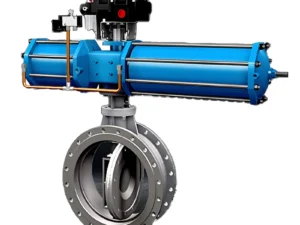
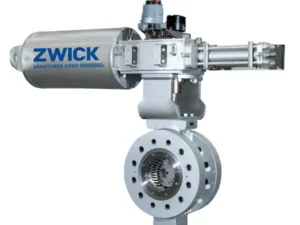
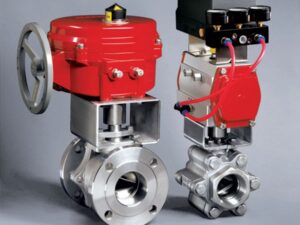
Valve type: globe, ball, or rotary control variants; single- or double-seated designs available.
-
Actuation: pneumatic diaphragm or piston actuator, spring-return (fail-close / fail-open) or double-acting options.
-
Body materials: carbon steel (A216 WCB), stainless steel (SS304, SS316/316L), alloy steels (Duplex, Hastelloy) on request.
-
Trim materials: stainless steel, hardened stainless, Monel, stellite-faced trim options for erosive/corrosive services.
-
Pressure rating: ANSI/Class 150–1500 (PN16–PN250 equivalent) depending on construction.
-
End connections: flanged (RF/RJ), buttweld, threaded; flange ratings to ANSI/ASME B16.5.
-
Actuator supply pressure: typical 1.4–7 bar (20–100 psi) with positioner compatibilities.
-
Control signal compatibility: 4–20 mA, pneumatic I/P, digital HART or FOUNDATION Fieldbus enabled positioners.
-
Leak class: ANSI/FCI 70-2 Class IV–VI (tight shutoff options).
-
Flow capacity: Cv sized to application; available in a wide Cv range to match process requirements.
-
Operating temperature range: -40 °C to +450 °C depending on selected materials and packing.
-
Packing/seals: PTFE, graphite, or resilient elastomers for temperature-specific sealing.
-
Surface finish: internal wetted surfaces machined and lapped; optional anti-corrosion coatings.
-
Response characteristics: built-in positioner options for <1% span accuracy; stroking times adjustable per spec.
-
Physical characteristics: standard industrial valve sizes DN15–DN600 (1/2″–24″) and custom larger sizes on request.
-
Packaging options: wooden crate, chemical-resistant shrink wrap, skid-mounted for turnkey units; protective internal preservatives for long transit.
-
Shelf life/storage: valves are mechanical equipment — recommended indoor, dry storage; preservative protection valid for 12 months under recommended conditions.
-
Documentation: full material certificate (MTC), EN/ASME test reports, loop drawings, installation & maintenance manual, calibration certificate for positioner.
-
Core Industrial Applications
-
Oil & Gas: precise flow and pressure control in upstream production, midstream pipelines, and downstream refining; suitable for custody transfer, feedstock blending, and flare/pressure relief control. Delivers better control under high differential pressure and abrasive media than commodity valves.
-
Chemical & Petrochemical: corrosive and high-temperature service, precise reagent feed, vapor recovery, and reactor control. Material and trim choices (Hastelloy, Stellite) extend life and reduce unplanned shutdowns compared with standard valves.
-
Power Generation: turbine inlet control, feedwater regulation, and cooling water systems where fast response and fail-safe behavior protect equipment and maintain grid stability.
-
Water & Wastewater: dosing, sludge handling, and treatment plant process control; robust packing and coatings resist abrasive/solids-laden flows better than simple butterfly valves.
-
Industrial Manufacturing: steam, thermal oil, and utility control loops in cement, paper, and food processing where reliability and low maintenance are prioritized.
Why it performs better: -
Precision actuation and high-resolution positioners deliver tighter control loops, reducing product variability and energy consumption.
-
Robust trim and material selections reduce erosion and corrosion failure modes, extending mean time between repairs.
-
Modular design simplifies field maintenance and reduces downtime compared with integrated or monolithic alternatives.
-
Competitive Advantages
-
Quality consistency: manufactured to ISO and API quality systems with traceable MTCs, standardized testing, and batch QA protocols to ensure uniform performance across deliveries.
-
Supply reliability: production planning for bulk industrial orders, local stocking options in key hubs, and tiered lead times to support turnarounds and long-term contracts.
-
Logistics capability: packaged for multimodal export, containerized loading plans, and coordinated customs documentation to minimize delivery delays on global shipments.
-
Price competitiveness: scalable manufacturing and material sourcing optimize unit costs for bulk purchases without compromising material or test standards.
-
Sustainability: material selection and refurbishable actuator/trim modules support repair-over-replace strategies; packaging options minimize waste; operations aligned with responsible sourcing policies on request.
-
Technical support: factory-trained field service, commissioning support, loop tuning for control systems, spare parts kits, and detailed documentation including CAD models and recommended spare lists. Extended warranties and service contracts available.
Positioning: choose this pneumatic control valve as a strategic sourced item to reduce process variability, simplify maintenance regimes, and secure dependable supply for mission-critical control loops.
-
Commercial & Supply Information
-
Minimum order quantity (MOQ): BULK 20MT.
-
Loading capacity (MT per container): Typical 20-foot container: up to 20 MT depending on packing and valve sizes; 40-foot container: up to 24–26 MT subject to palletization and weight distribution. For breakbulk or skid shipments, contact sales for optimized loading plans.
-
Lead times: quoted per order based on configuration and material selection; expedited manufacturing and stock models available for critical spares.
-
Spare parts & aftermarket: recommended spare kits per valve model, configured to provide 12–24 months operation depending on duty cycle.
-
Commercial terms: available EXW, FOB, CIF; customized supply agreements and long-term service contracts negotiable.
Reviews
There are no reviews yet.