
Description
1. Product Overview
Palladium-Alumina Hydrogenation Catalyst is a high-activity supported precious metal catalyst engineered for selective hydrogenation processes in petrochemical, pharmaceutical, and fine chemical synthesis. Its primary industrial use is the efficient conversion of unsaturated hydrocarbons, nitro compounds, and functionalized intermediates under mild to moderate conditions, delivering superior selectivity and throughput. The key value proposition lies in its optimized palladium dispersion on high-surface-area gamma-alumina, which maximizes active site availability while minimizing precious metal loading and overall process cost. Strategically, it addresses tightening global efficiency and sustainability mandates, enabling producers to reduce reaction times, energy input, and byproduct formation while maintaining batch-to-batch consistency at commercial scale.
2. Key Specifications & Technical Characteristics
- Chemical Composition / Material Components: 0.3% – 5.0% Pd (standard grades: 0.5%, 1%, 2%, 5%) supported on high-purity gamma-Al2O3 carrier
- Purity Level / Grade: Catalyst grade; Pd purity ≥99.95%; total impurities ≤0.1%; Na, Fe, Cl each ≤50 ppm
- Physical Characteristics:
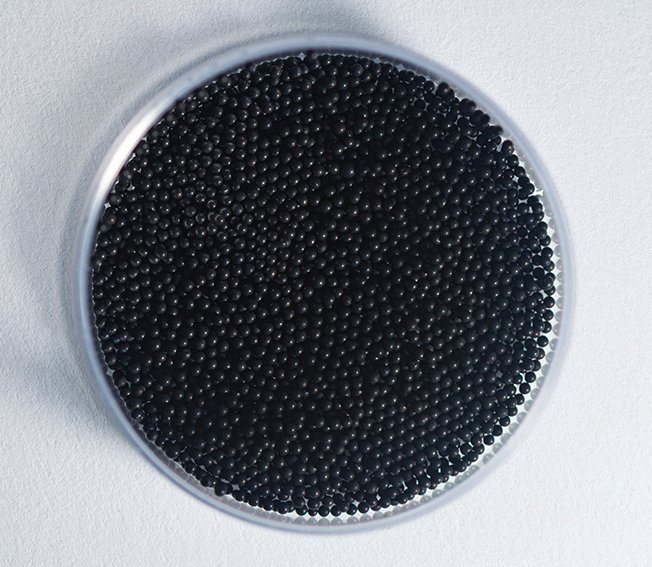
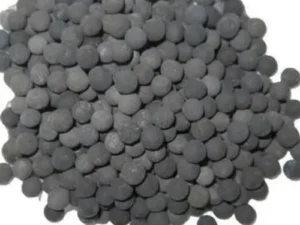
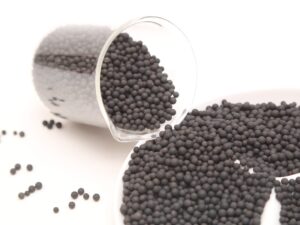
- Form: Extrudates, spheres, or trilobe pellets
- Color: Light gray to dark gray
- Particle Size: 1.5 mm – 4.0 mm diameter; custom sizes 0.8 mm – 6.0 mm available
- BET Surface Area: 150 – 250 m²/g
- Pore Volume: 0.4 – 0.8 cm³/g
- Bulk Density: 0.6 – 0.85 g/cm³
- Crush Strength: ≥40 N/particle for 3 mm spheres
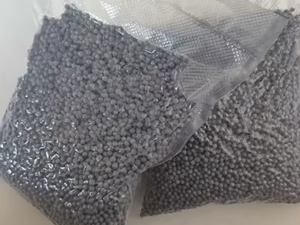
- Packaging Options: 5 kg, 10 kg, 25 kg UN-approved fiber drums with PE liner and desiccant; 500 kg or 1,000 kg FIBC super sacks with aluminum barrier liner; customized packaging on request
- Shelf Life: 36 months when stored sealed in original packaging, cool dry conditions below 35°C, away from reducing agents and contaminants
3. Core Industrial Applications
- Primary Industries: Petrochemicals, refining, pharmaceutical APIs, agrochemicals, food-grade hydrogenated oils, and specialty chemicals
- Specific Operational Use Cases: Selective hydrogenation of acetylenes and dienes in C2–C4 streams, PTA purification, aniline production from nitrobenzene, imine/ketone reductions, fatty acid and edible oil hardening, and fine chemical intermediate synthesis
- Why This Product Performs Better: Engineered Pd crystallite size and alumina pore structure deliver high selectivity toward target bonds while suppressing over-hydrogenation and coking. The robust alumina support provides excellent thermal and mechanical stability under cyclic regeneration.
- Efficiency, Durability, Cost Advantages: Achieves ≥99.5% conversion with ≤0.1% yield loss to side reactions. Extended cycle life of 3–5 years with multiple in-situ regenerations lowers catalyst cost per ton of product. Lower Pd loading vs. carbon-based alternatives reduces precious metal inventory cost and recovery complexity.
4. Competitive Advantages
- Quality Consistency: ISO 9001 manufactured with SPC-controlled Pd impregnation and calcination; CO chemisorption and H2-TPR tested for every lot; CoA provided
- Supply Reliability: Dedicated precious metal pool and 200 MT/year captive production capacity ensure uninterrupted supply and lead times of 2–4 weeks for standard grades
- Logistics Capability: DG-certified packing, global freight forwarding, and INCOTERMS flexibility EXW, FOB, CIF to major ports; bonded warehouse options in EU, US, Singapore
- Price Competitiveness: Optimized Pd utilization and vertically integrated alumina supply reduce total system cost; tolling and metal leasing programs available
- Sustainability / Environmental Benefits: Spent catalyst buy-back and closed-loop Pd recovery ≥99% efficiency; low carbon footprint from energy-efficient manufacturing; REACH, RoHS compliant
- Technical Support / Documentation: Full technical data sheets, SDS, TDS, ISO certificates, regulatory dossier support; on-site commissioning, performance audit, and regeneration protocol consulting by dedicated application engineers
5. Commercial & Supply Information
- Minimum Order Quantity (MOQ): BULK 20MT
- Loading Capacity (MT per container): 18–20 MT per 20’ FCL, depending on packaging type and particle density
Reviews
There are no reviews yet.