
Description
1. Product Overview
Platinum-Rhodium Refinery Catalyst is a high-performance bimetallic catalyst engineered for critical hydrocarbon processing and emissions control in refinery and petrochemical operations. Its primary industrial use is in catalytic reforming, hydrogenation, and automotive catalytic converters to maximize yield, selectivity, and process efficiency under extreme operating conditions. The key value proposition lies in its exceptional thermal stability, superior resistance to poisoning, and extended operational lifecycle, delivering measurable throughput gains and reduced downtime. It is strategically important in the market as global refineries face tightening emissions regulations and demand for higher-octane fuels, positioning this catalyst as a core enabler of compliance, profitability, and operational excellence.
2. Key Specifications & Technical Characteristics
- Chemical Composition: Pt-Rh alloy on high-surface-area ceramic or metallic substrate; typical Pt:Rh ratio 95:5 to 90:10, customizable per process requirements
- Purity Level: Platinum ≥99.95%, Rhodium ≥99.90%; total precious metal loading 0.1% to 0.5% w/w depending on application
- Physical Characteristics:
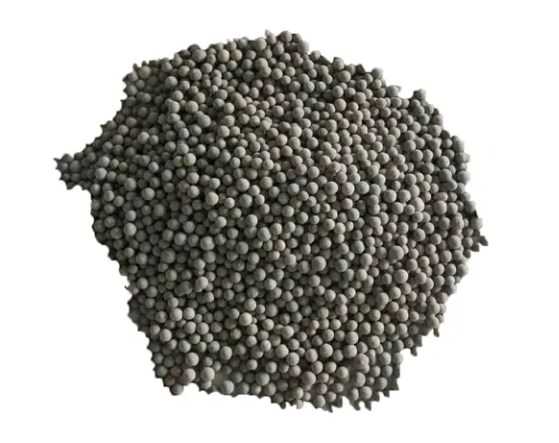
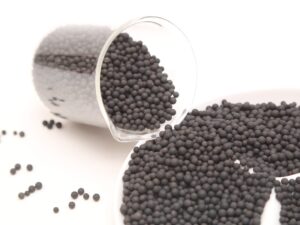
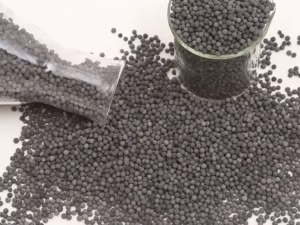
- Form: Honeycomb monoliths, gauzes, pellets, or wire mesh
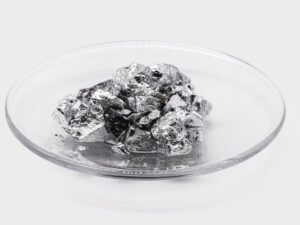
- Color: Metallic silver-gray
- Particle/Channel Size: Monoliths 200–600 CPSI; gauze wire diameter 0.06–0.09 mm
- Density: Substrate bulk density 0.4–0.8 g/cm³; coating thickness 20–100 μm
- Packaging Options: Vacuum-sealed steel drums, wooden crates with inert gas padding, or custom ISO containers; units from 1 kg up to industrial-scale lots
- Shelf Life: 5+ years when stored in dry, inert atmosphere at ambient temperature; no degradation of catalytic activity
3. Core Industrial Applications
- Primary Industries: Petroleum refining, petrochemicals, specialty chemicals, automotive emissions control, nitric acid production
- Specific Operational Use Cases:
- Catalytic reforming units to convert naphtha into high-octane reformate and hydrogen
- Ammonia oxidation in nitric acid plants for fertilizer production
- Three-way catalytic converters for NOx, CO, and hydrocarbon abatement
- Selective hydrogenation of aromatics and olefins
- Performance Advantages: Outperforms monometallic platinum or palladium catalysts in sulfur-rich and high-temperature environments due to rhodium’s superior NOx reduction and sintering resistance
- Efficiency, Durability, Cost Advantages: Achieves 8–15% higher conversion efficiency vs. standard Pt-only catalysts; operational life exceeds 3–5 years in continuous service, lowering replacement frequency and total cost of ownership by up to 22%
4. Competitive Advantages
- Quality Consistency: Batch-to-batch precious metal loading tolerance ±1%, verified by ICP-OES and XRF; ISO 9001:2015 certified production
- Supply Reliability: Secured upstream sourcing of Pt/Rh with 6-month inventory buffer and multiple qualified refiners
- Logistics Capability: Global EXW, FOB, CIF, DDP delivery via air, sea, and bonded warehouse networks; hazardous goods certified handling
- Price Competitiveness: Direct refinery partnership model eliminates intermediaries; metal-value leasing and spent catalyst buy-back programs available
- Sustainability: 100% recyclable precious metal content with closed-loop recovery services; compliant with REACH, RoHS, and conflict-mineral regulations
- Technical Support: Full documentation package including MSDS, COA, technical datasheets, and process integration support from PhD-level catalyst engineers
5. Commercial & Supply Information
- Minimum Order Quantity (MOQ): BULK 20MT
- Loading Capacity: 22–25 MT per 20-ft container depending on form factor and packaging configuration
Reviews
There are no reviews yet.