
Description
-
Product Overview
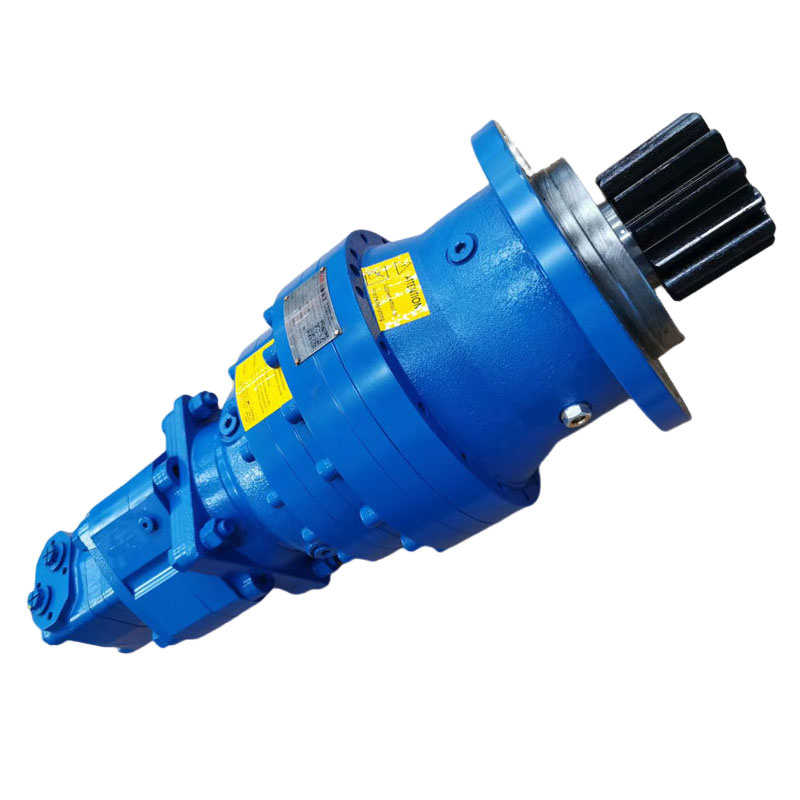
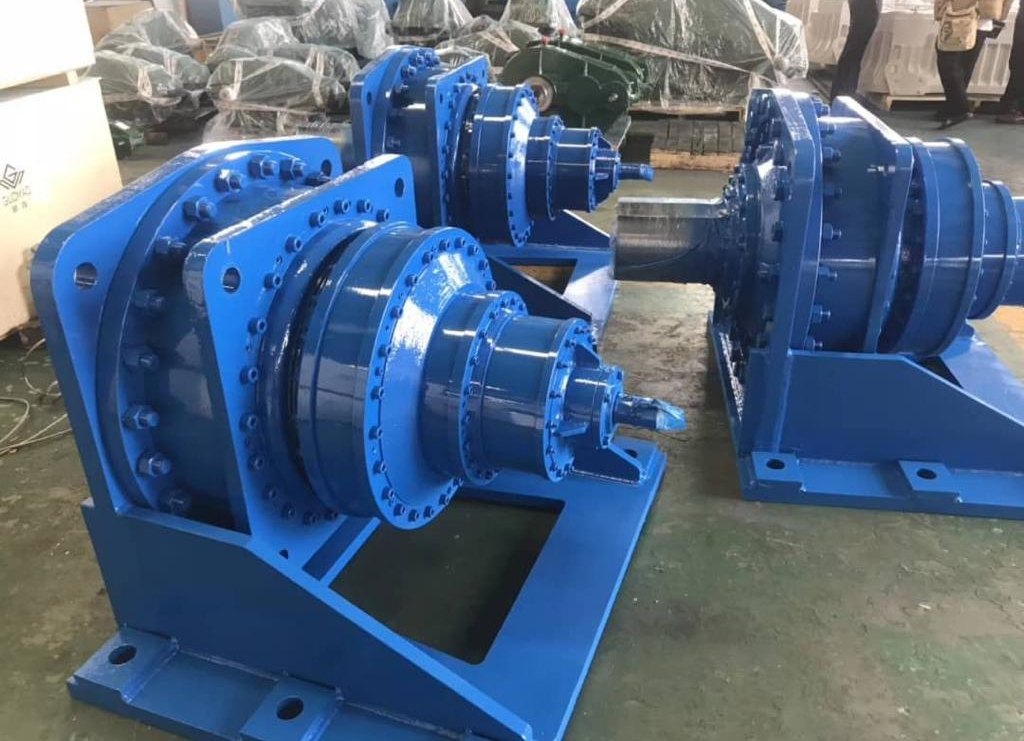
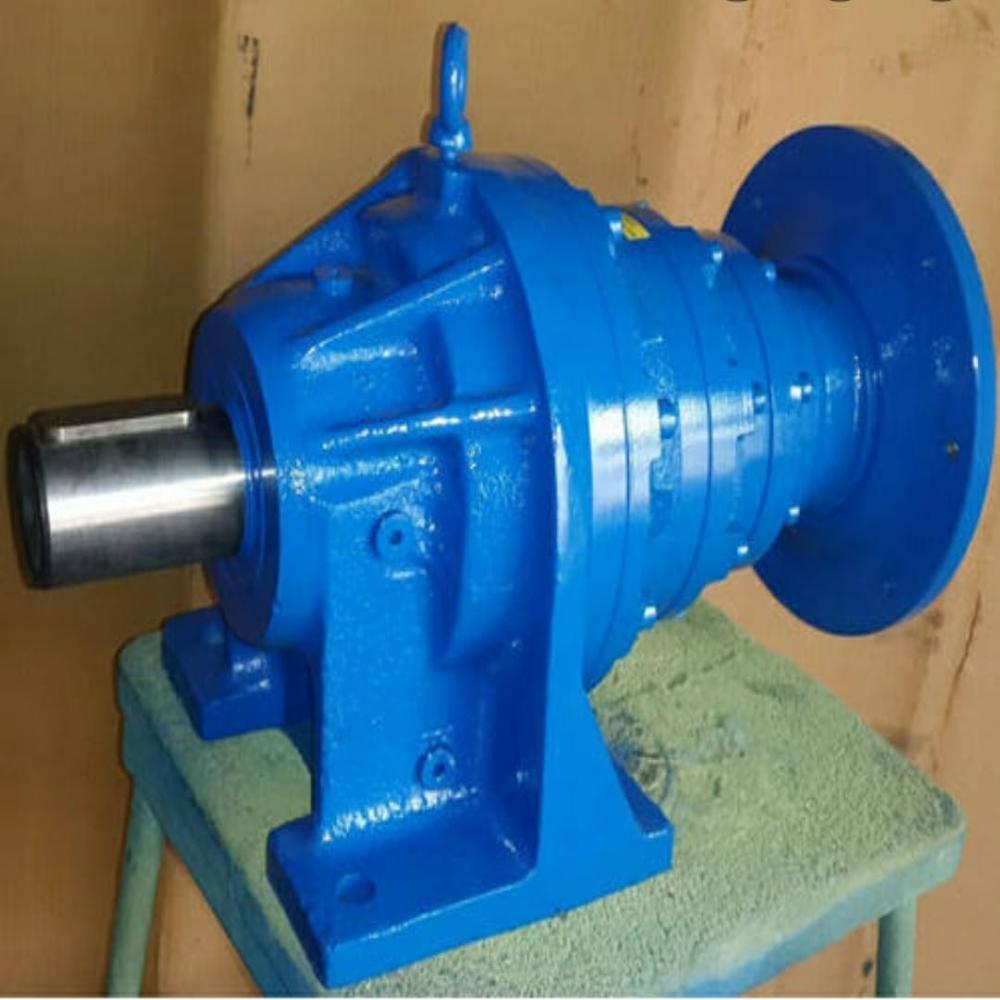
Planetary gearbox heavy duty is a precision-engineered mechanical transmission designed for high-torque, heavy-duty industrial drives. It converts high-speed input into controlled, high-torque output using multiple planet gears around a central sun gear, delivering compactness, high load capacity, and smooth operation. Primary industrial uses include heavy machinery drives, robotics, material handling, mining, and wind-turbine pitch and yaw systems; its key value proposition is maximizing torque density per unit volume while minimizing backlash and maintenance downtime. Strategically, this gearbox enables OEMs and end-users to downsize motors, increase system reliability, and reduce lifetime operational cost in mission-critical installations.
-
Key Specifications & Technical Characteristics
-
Materials and components: Case and carrier options in high-strength alloy steel (e.g., 42CrMo) or cast iron; planet and sun gears in carburized and quenched alloy steel; bearings: precision tapered roller or cylindrical roller bearings; seals: high-performance lip seals and labyrinth options.
-
Gear geometry and finish: Hardened, ground involute gears; profile and lead crowning options for load distribution; module/pitch and number of teeth specified per model.
-
Gear ratios: Available single-stage and multi-stage configurations, standard ratios from 3:1 up to 100:1 (custom ratios available).
-
Torque capacity: Model-dependent continuous torques from low-kNm to several hundred kNm; peak/short-term overload ratings provided per datasheet.
-
Efficiency: Typical mechanical efficiency 95%+ per stage; multi-stage efficiencies specified in datasheet.
-
Backlash: Low-backlash options down to <1 arc-min (model dependent) for precision applications.
-
Input speeds and limits: Rated for continuous input speeds up to manufacturer-specified RPM (typical 3,000–6,000 RPM range depending on bearings and lubrication).
-
Thermal and IP ratings: Operating temperature ranges and available IP66/IP67 housings for harsh environments; thermal monitoring options.
-
Lubrication: Factory-filled synthetic or mineral gear oil options; grease-filled low-maintenance variants; automatic lubrication adaptors supported.
-
Surface treatments: Corrosion-resistant coatings, shot-peened options, and plating for marine/ corrosive environments.
-
Mounting and interfaces: Multiple flange and foot-mount options, standard shaft, hollow-shaft, and shrink-fit adapters; backlash-adjustment ports and encoder/torque-sensor mounting provisions.
-
Physical characteristics: Typical housing weights and dimensions per model line provided on request; color and finish per customer spec.
-
Packaging options: Industrial-crate for sea freight, wooden palletized shrink-wrapping with desiccant and corrosion protectant, export-approved blocking and bracing.
-
Shelf life / storage: Indefinite mechanical shelf life if stored dry and protected; recommended storage conditions: 0–40°C, <70% RH, periodic rotation of loose components per long-term storage guidance.
-
Core Industrial Applications
-
Heavy machinery and mining: Use case — primary reducers on conveyors, crushers, and rotary kilns where sustained high torque and shock-load resilience are required. Why better — superior load distribution via planet set lowers gear stress, increasing uptime and reducing component replacement frequency.
-
Material handling and cranes: Use case — hoist and slew drives demanding compact size and high torque. Why better — high torque density and robust sealing options minimize footprint and downtime in dusty or wet operations.
-
Robotics and automation: Use case — joint reducers for large-robot arms and AGVs requiring precise positioning and low-backlash. Why better — low-backlash, high-stiffness designs improve repeatability and cycle-life versus parallel-shaft alternatives.
-
Wind, marine, and renewable energy: Use case — yaw/pitch control and pitch-actuation units where reliability under variable loading is critical. Why better — high overload capacity and corrosion-resistant coatings extend service intervals in harsh environments.
-
Steel, cement, and paper mills: Use case — roll drives, mill stands, and calender drives needing continuous heavy-duty operation. Why better — hardened gears and robust bearing arrangements maintain torque transfer efficiency over long service periods, reducing energy loss and TCO.
-
OEM drivetrain integrations: Use case — compact power-dense gearbox modules for hybrid drives and electric propulsion systems. Why better — enables motor downsizing and integrated sensor/encoder options for predictive maintenance and control integration.
-
Competitive Advantages
-
Quality consistency: Manufactured to ISO 9001 processes with full batch traceability, heat-treatment records, and dimensional inspection reports.
-
Supply reliability: Production capacity and buffer stock enable predictable lead times; strategic component sourcing reduces single-source risk.
-
Logistics capability: Export-grade packing, partner-managed global freight options, and local warehousing solutions for JIT deliveries.
-
Price competitiveness: Modular design and standardized bearings/gearing reduce unit costs at scale; competitive pricing tiers for volume contracts.
-
Sustainability benefits: Extended service life reduces replacement frequency and material waste; optional low-viscosity, long-life lubricants lower energy losses and emissions.
-
Technical support: Full engineering documentation, CAD models, installation and maintenance manuals, torque/thermal calculation support, and field troubleshooting services.
-
Certification and compliance: Options for ATEX, CE, and other regional compliance documentation where required.
-
Commercial & Supply Information
-
Minimum order quantity (MOQ): BULK 20 MT.
-
Loading capacity (MT per container): Standard 20-ft container up to approx. 20 MT net, 40-ft HC container up to approx. 26–28 MT net (final loading depends on model dimensions and crate configuration; detailed loading plan provided per order).
Reviews
There are no reviews yet.