
Description
1. Product Overview
Organoplatinum Residue is a high-value industrial byproduct recovered from spent catalysts used in petrochemical refining, pharmaceutical synthesis, and automotive emission control systems. Its primary industrial use is as a secondary feedstock for precious metal recovery, enabling refiners and smelters to extract platinum group metals for reuse in catalysts, electronics, and specialty alloys. The key value proposition lies in delivering a concentrated, traceable source of platinum at significantly lower acquisition cost versus virgin metal, improving margin control for downstream manufacturers. It is strategically important in the market due to tightening global PGM supply, ESG mandates for circular material flows, and rising demand from hydrogen, fuel cell, and chemical processing sectors.
2. Key Specifications & Technical Characteristics
- Chemical Composition / Material Components: Organoplatinum compounds adsorbed on carbon/alumina support; contains Pt metal, trace Pd/Rh, residual hydrocarbons, and inert catalyst substrate
- Purity Level / Grade: 0.5% to 4.5% Pt by weight on dry basis; assayed per lot with ICP-OES certification; industrial grade for recovery
- Physical Characteristics:
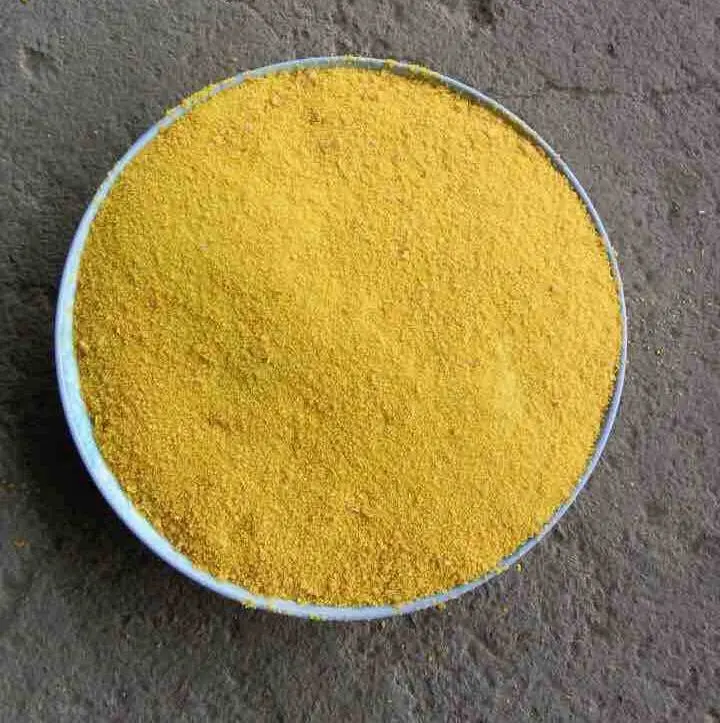
- Form: Free-flowing powder to granular fines
- Color: Dark gray to black
- Particle Size: 80% passing 100 mesh, <150 microns typical
- Bulk Density: 0.6–1.2 g/cm³ depending on substrate
- Moisture Content: <3% w/w as shipped
- Packaging Options: 1MT jumbo bags with PE liner, 25kg steel drums with UN rating, or bulk silo delivery for qualified buyers
- Shelf Life: Chemically stable; 24 months when stored sealed, dry, and below 30°C; no degradation of Pt content under recommended conditions
3. Core Industrial Applications
- Primary Industries: Precious metal refining, chemical catalyst manufacturing, automotive & industrial catalyst recycling, electronics materials, specialty glass & medical device alloys
- Specific Operational Use Cases: Feedstock for hydrometallurgical and pyrometallurgical PGM recovery circuits; reprocessing into fresh platinum salts for pharmaceutical API catalysts; blending for autocatalyst washcoat production; toll refining programs for closed-loop supply chains
- Performance Advantages vs Alternatives: Delivers higher Pt concentration than mixed spent catalyst scrap, reducing energy and reagent consumption per gram of Pt recovered; lower impurity penalty elements vs e-waste or mining concentrates
- Efficiency, Durability, Cost Advantages: Cuts raw material cost 30–60% vs primary platinum; shortens refining cycle time due to known composition; supports Scope 3 emissions reduction targets through urban mining; enables supply diversification away from geopolitically constrained mine sources
4. Competitive Advantages
- Quality Consistency: Every lot pre-sampled, homogenized, and assayed with third-party COA; <5% variance in Pt content across shipments
- Supply Reliability: Established collection network from ISO-certified chemical and refining partners; 200–500MT monthly availability with forward contracts
- Logistics Capability: Export-ready from major ports in EU, APAC, and Africa; hazmat-compliant documentation, MSDS, and Basel Convention codes provided; bonded warehouse options
- Price Competitiveness: Priced on % Pt contained basis linked to LBMA platinum, with discounts to spot reflecting recovery cost; volume tiers available
- Sustainability / Environmental Benefits: 95% lower carbon footprint vs primary mining; supports zero-waste and circular economy initiatives; full chain-of-custody documentation
- Technical Support / Documentation Availability: Dedicated metallurgy team for recovery yield optimization; TDS, COA, assay methods, and process compatibility data supplied; tolling and swap agreements supported
5. Commercial & Supply Information
- Minimum Order Quantity (MOQ): BULK 20MT
- Loading Capacity (MT per container): 20MT per 20ft FCL
Reviews
There are no reviews yet.