
Description
1. Product Overview
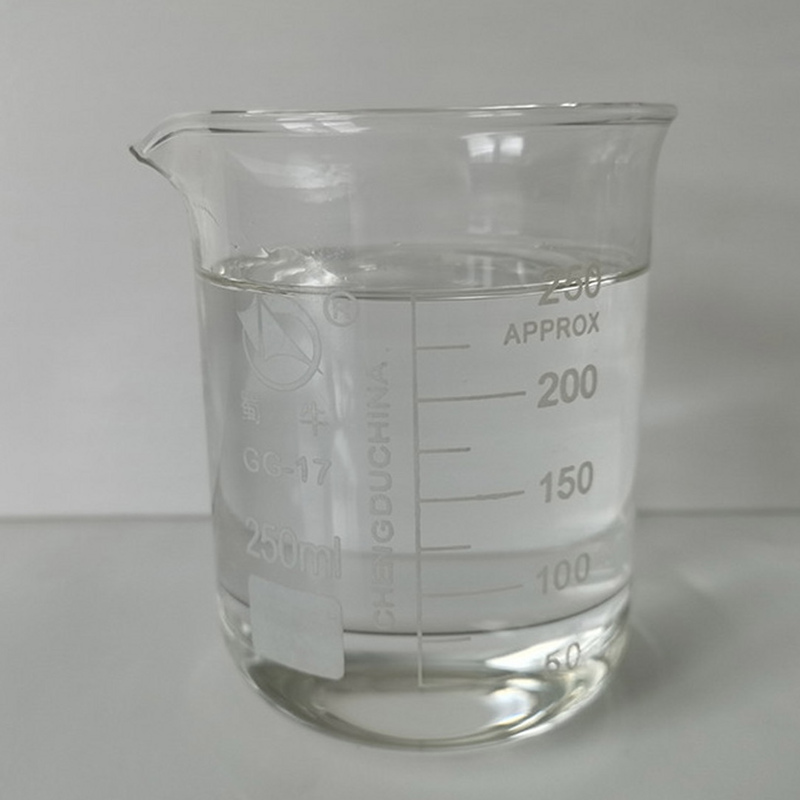
Stannous Organometallic Residue is a secondary tin-based compound recovered from controlled organotin manufacturing and processing streams. Its primary industrial use is as a cost-effective tin source for catalysts, stabilizers, plating baths, and specialty chemical synthesis where organotin functionality is required. The key value proposition lies in delivering consistent tin assay and reactivity at a significant cost advantage versus prime stannous compounds, enabling formulators to reduce input costs without compromising process performance. It is strategically important in the market due to tightening tin supply, ESG-driven demand for circular raw materials, and the need for reliable non-virgin alternatives in PVC, glass coating, electroplating, and polyurethane industries.
2. Key Specifications & Technical Characteristics
- Chemical Composition / Material Components: Stannous organometallic complexes, primarily dibutyltin and monobutyltin residues, with trace SnCl₂ and organic ligands; Total Tin (Sn) content: 28.0% – 34.0% w/w
- Purity Level / Grade: Technical / Industrial Grade; Active stannous Sn²⁺ ≥ 85% of total tin content; Moisture ≤ 1.5%
- Physical Characteristics:
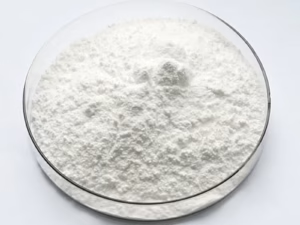
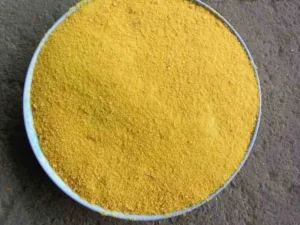
- Form: Fine to granular powder or fused lumps, subject to batch
- Color: Light tan to dark brown
- Particle Size: 80% passing 2mm mesh for powder grade; <50mm for lump grade
- Bulk Density: 1.6 – 2.1 g/cm³
- Packaging Options: 25kg HDPE bags with inner PE liner on pallets; 1MT jumbo bags with PE liner; 200L steel drums for export. Custom packaging available for bulk contracts.
- Shelf Life: 12 months when stored in sealed original packaging, cool/dry conditions, away from strong oxidizers and moisture
3. Core Industrial Applications
- Primary Industries: PVC stabilizer manufacturing, polyurethane catalyst production, glass coating, electroplating, specialty organotin synthesis, ceramics, and agrochemical intermediates.
- Specific Operational Use Cases:
- Feedstock for dibutyltin dilaurate and dibutyltin oxide catalyst production
- Tin source for electrolytic tin plating and electroless plating baths
- Active component in heat stabilizers for rigid and flexible PVC processing
- Intermediate for CVD-based low-E glass coating formulations
- Performance vs. Alternatives: Delivers comparable catalytic activity and tin deposition rates to prime stannous chloride or stannous octoate at 30-45% lower raw material cost. Batch-to-batch tin assay is standardized to ensure predictable reaction kinetics and bath maintenance.
- Efficiency, Durability, Cost Advantages: Reduces formulation cost per unit of active tin; supports waste-to-value initiatives; lowers supply chain risk by diversifying tin sourcing away from mined concentrate volatility.
4. Competitive Advantages
- Quality Consistency: Every lot is QC-tested for total Sn, Sn²⁺ content, and chloride level; COA provided with traceable batch numbers.
- Supply Reliability: Structured recovery from audited, long-term organotin production partners ensures 100–300MT monthly availability.
- Logistics Capability: Experienced in IMDG Class 6.1 compliant packaging, labeling, and documentation; global shipping from major Asian ports with consolidated freight options.
- Price Competitiveness: Positioned 25-40% below prime stannous chemicals on a per-kg-Sn basis, with volume-tiered pricing.
- Sustainability / Environmental Benefits: Circular-economy product that diverts process residue from incineration/landfill; supports Scope 3 emission reduction and ESG reporting for downstream users.
- Technical Support / Documentation: Full REACH, SDS, TDS, and non-radioactivity certificates available. Application support for reformulation and bath control provided by in-house chemists.
5. Commercial & Supply Information
- Minimum Order Quantity (MOQ): BULK 20MT
- Loading Capacity (MT per container): 20MT per 20′ FCL
Reviews
There are no reviews yet.