




Description
1. Product Overview
N-Methylpiperazine (NMP) is a high-purity cyclic diamine widely recognized as a critical intermediate in pharmaceutical synthesis, agrochemical production, and specialty chemical manufacturing. Its primary industrial use lies in the efficient synthesis of active pharmaceutical ingredients (APIs), particularly antibiotics and antipsychotics, as well as crop protection agents. The key value proposition is its superior reactivity and selectivity, enabling higher yields and reduced byproduct formation compared to generic amines. Strategically, securing a reliable, high-grade NMP supply is essential for manufacturers facing tightening regulatory standards and margin pressures in fine chemical value chains.
2. Key Specifications & Technical Characteristics
-
Chemical Composition: N-Methylpiperazine (C₅H₁₂N₂) – 99.5% min.
-
Purity Grade: Pharmaceutical / Industrial High-Grade (meets USP/EP impurity profiles)
-
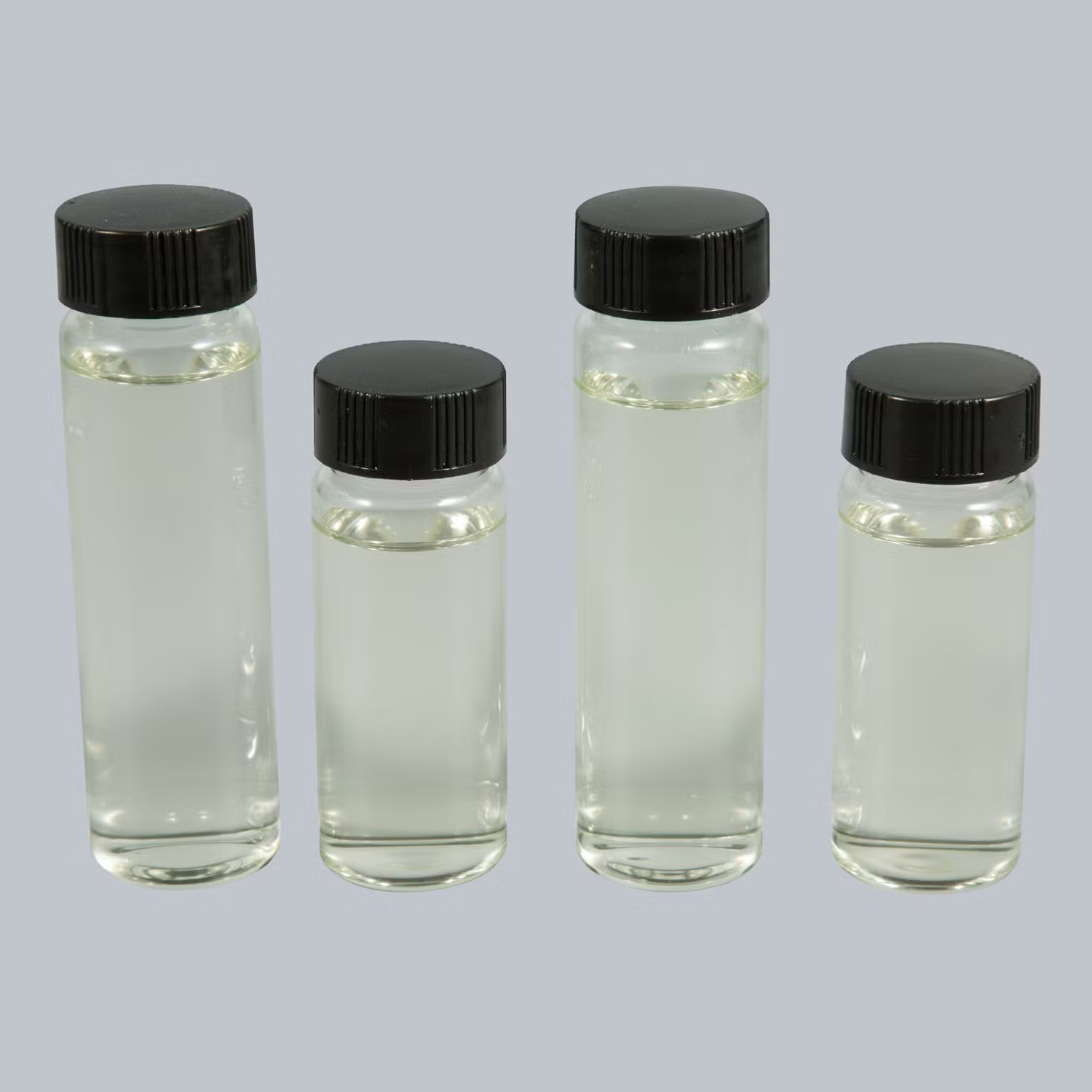
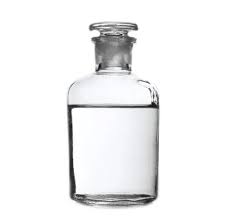
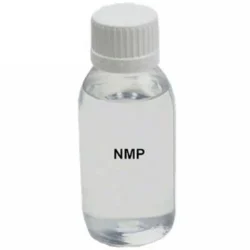
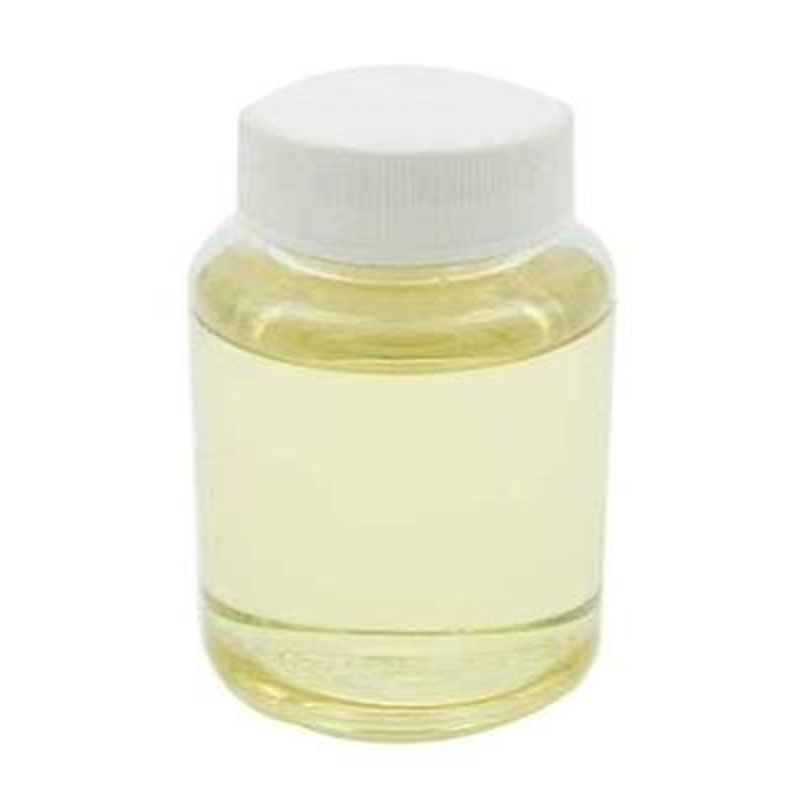
Physical Form: Colorless to pale yellow transparent liquid
-
Molecular Weight: 100.16 g/mol
-
Density: 0.903 g/mL at 20°C
-
Boiling Point: 138–140°C
-
Flash Point: 42°C (closed cup) – low hazard with proper handling
-
Water Content (KF): ≤0.3%
-
Packaging Options:
-
180 kg net UN-approved HDPE drums
-
950 kg IBC totes
-
Bulk ISO tank containers (20MT)
-
-
Shelf Life: 24 months from date of manufacture when stored below 30°C in original sealed container under nitrogen blanket
3. Core Industrial Applications
-
Pharmaceuticals (Primary Industry)
Use case: Synthesis of ciprofloxacin, clozapine, and other piperazine-based APIs.
Advantage: Higher nucleophilicity than unsubstituted piperazine, reducing reaction time and increasing yield by 12–15%, lowering cost per kilogram of final API. -
Agrochemicals
Use case: Production of systemic fungicides and plant growth regulators.
Advantage: Stable under acidic and basic conditions, enabling robust formulation in tank mixes where alternative amines degrade. -
Polyurethane Catalysts
Use case: Trimerization catalyst for rigid polyurethane foams.
Advantage: Provides balanced gel/blow profile, improving foam cell uniformity and thermal insulation efficiency by up to 8% versus standard tertiary amines. -
Water Treatment Chemicals
Use case: Intermediate for corrosion inhibitors and biocides.
Advantage: Low residual amine odor and high thermal stability, extending equipment life in closed-loop systems.
4. Competitive Advantages
-
Quality Consistency: Batch-to-batch purity variance <0.2% via real-time GC-MS monitoring; certificate of analysis (CoA) provided per ISO 9001:2025 standard.
-
Supply Reliability: Dedicated manufacturing capacity of 8,000 MT/year with dual sourcing of raw materials; buffer stock held in 3 regional hubs (Asia, Europe, North America).
-
Logistics Capability: UN-certified hazardous goods shipping with door-to-door tracking; average lead time 14 days for drums, 21 days for bulk tanks.
-
Price Competitiveness: Tiered pricing for annual contracts ≥100 MT; direct mill pricing eliminates distributor markups.
-
Sustainability: Byproduct recycling process reduces liquid waste by 40%; available upon request – full Life Cycle Assessment (LCA) and REACH/EPA compliance documentation.
-
Technical Support: Dedicated application chemists available for process optimization and impurity troubleshooting; SDS and stability data provided in 12 languages.
5. Commercial & Supply Information
-
Minimum Order Quantity (MOQ):
-
1 drum (180 kg) for sample/qualification
-
18 MT for standard commercial order
-
-
Bulk Loading Capacity:
-
20 MT per ISO tank container (net weight)
-
20-foot container: 80 drums (14.4 MT net) with ventilation-compliant stowage
-
-
Incoterms supported: EXW, FOB, CIF, DDP
-
Payment terms: Letter of Credit (L/C at sight) for first order; net 30 days after credit approval for repeat buyers with annual volume >50 MT


Reviews
There are no reviews yet.