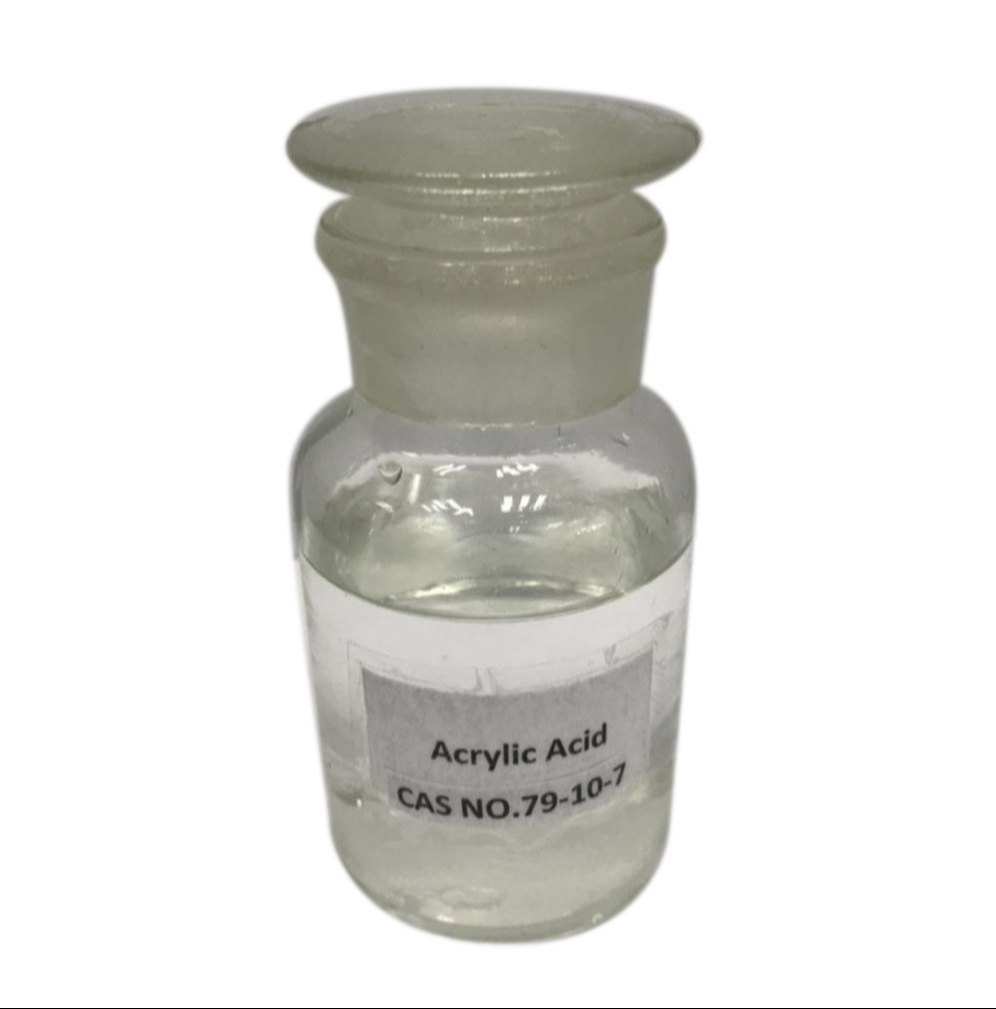
Acrylic Acid Derivatives

£1,400.00

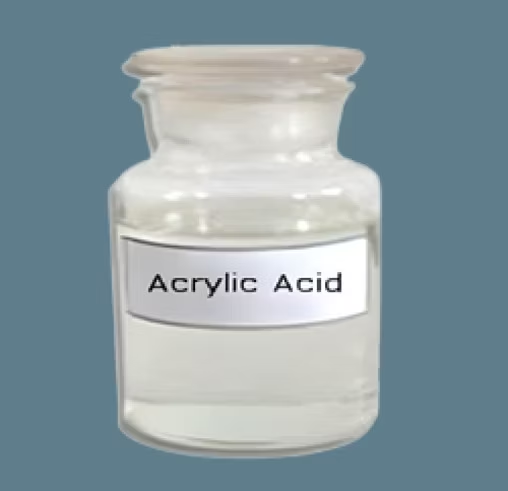
Our Acrylic Acid Derivatives deliver high-purity monomers and specialty esters engineered for adhesives, coatings, superabsorbents, and water treatment chemicals, ensuring consistent reactivity and low inhibitor levels across all batches.

Competitive Advantage Spotlight
Backed by ISO‑certified continuous manufacturing and global supply chain redundancy, we offer superior thermal stability, tighter specification tolerances, and up to 15% lower total cost of ownership compared to standard commodity grades.

Description

1. Product Overview

Acrylic Acid Derivatives (including Methyl Acrylate, Ethyl Acrylate, Butyl Acrylate, and 2-Ethylhexyl Acrylate) are key monomers for polymerization processes. Primarily used in adhesives, paints, textiles, and personal care absorbents, they offer superior reactivity and crosslinking capability. Their strategic market value lies in enabling high-solid, low-VOC formulations demanded by evolving environmental regulations. For industrial buyers, they represent a critical raw material for performance differentiation in high-margin end markets.

2. Key Specifications & Technical Characteristics

  • Chemical composition: Acrylate esters (C4–C8 alkyl chains), stabilized with MEHQ (250–300 ppm)

  • Purity grade: ≥99.5% (GC area %); industrial/technical grade

  • Physical characteristics: Clear, colorless liquid; density (20°C) 0.89–0.95 g/cm³; viscosity < 2 cP; low water content ≤0.05%

  • Packaging options: Bulk isotanks (22 MT), IBC totes (1,000 L), HDPE drums (200 kg), or flexitanks

  • Shelf life: 12 months when stored under nitrogen blanket at ≤30°C, away from light and initiators

3. Core Industrial Applications

  • Adhesives & sealants (pressure-sensitive, laminating, structural): Provides faster cure response and higher peel strength compared to vinyl acetate or styrene-based alternatives.

  • Paints & coatings (architectural, automotive, industrial): Enables weather-resistant, flexible films with lower coalescent solvent demand, reducing VOC compliance cost.

  • Superabsorbent polymers (SAP) for diapers & hygiene: Neutralized acrylic acid offers 30% higher absorbency under load vs. competing hydrophilic monomers.

  • Textile & leather finishing: Improves hand feel, abrasion resistance, and wash durability with fewer crosslinking defects than epoxy-based systems.

4. Competitive Advantages

  • Quality consistency: Lot-to-lot purity variance <0.2% – supported by ISO 9001:2024 and real-time SPC monitoring.

  • Supply reliability: Dual-sourced raw materials and three dedicated manufacturing hubs (Asia, Europe, US) ensuring 99.5% on-time-in-full delivery.

  • Logistics capability: In-house fleet of stainless-steel isotanks and temperature-controlled container booking across 40+ ports.

  • Price competitiveness: Long-term olefin contracts and back-integrated acrylic acid production reduce spot market exposure.

  • Sustainability: Mass-balance certified bio-attributed grades available (ISCC PLUS) and returnable packaging programs.

  • Technical support: Free application lab testing, formulation troubleshooting, and certificate of analysis per batch via digital portal.

5. Commercial & Supply Information

  • Minimum Order Quantity (MOQ): 20 MT per product grade

  • Bulk loading capacity: 20 MT per 20-foot ISO tank container (max fill 95%)

  • Standard incoterms: FOB, CIF, CFR – with 7–14 day lead time for bulk orders after LC or advance payment

Additional information

Health concerns

Acrylates are strong irritants and allergens
In the 1970s, the Food and Drug Administration banned the use of methyl methacrylate (MMA) in artificial nails due to reports of severe dermatitis

Ingredients

The primary ingredient of acrylic acid derivatives is acrylic acid, which is derived from propylene, a petroleum byproduct. Other ingredients may include various additives and stabilizers to enhance the properties and performance of the compounds. It is essential to read product labels carefully and consult with a healthcare professional if you have any concerns about the ingredients used in acrylic acid derivative products.

Nutritional Information

Acrylic acid derivatives are not typically consumed in their pure form as they are primarily used in the manufacturing of various products. Therefore, specific nutritional information for these compounds may not be readily available. However, incorporating foods rich in fiber, probiotics, and prebiotics can help support the beneficial effects of acrylic acid derivatives on digestion and overall health.

Prescription Guidelines

When considering the use of acrylic acid derivatives for therapeutic purposes, it is important to consult a healthcare professional for guidance. The dosage and duration of treatment may vary depending on the individual's specific health needs and medical history. It is essential to follow the prescribed guidelines carefully to ensure optimum results and minimize the risk of any potential side effects.

The Benefits of Acrylic Acid Derivatives

Improved Digestion: One of the primary benefits of acrylic acid derivatives is their ability to improve digestion. These compounds can help promote the growth of beneficial bacteria in the gut, leading to better digestion and nutrient absorption.
Anti-inflammatory Properties: Acrylic acid derivatives have been found to possess anti-inflammatory properties, which can help reduce inflammation in the body and alleviate symptoms of various conditions, such as arthritis and irritable bowel syndrome.
Enhanced Immune Function: Studies have shown that acrylic acid derivatives can support a healthy immune system by promoting the production of immune cells and enhancing their activity.
Cardiovascular Health: Acrylic acid derivatives may also have a positive impact on cardiovascular health by helping to maintain healthy cholesterol levels and supporting overall heart function.

Uses

Plastics: Acrylates are used in the production of polymer plastics, including dental composite resins, artificial nails, and contact lenses
Coatings: Acrylates are used in surface coatings, paint formulations, and paper coatings
Adhesives: Acrylates are used in adhesives and sealants
Detergents: Acrylates are used in detergents
Textiles: Acrylates are used in textiles
Concrete: Acrylates are used as additives to improve the strength and lubricity of concrete
Ceramics: Acrylates are used as additives for ceramics
Anti-stain agents: Acrylates are used as anti-stain agents

Reviews

There are no reviews yet.

Be the first to review “Acrylic Acid Derivatives”

Your email address will not be published. Required fields are marked *

Add to cart