
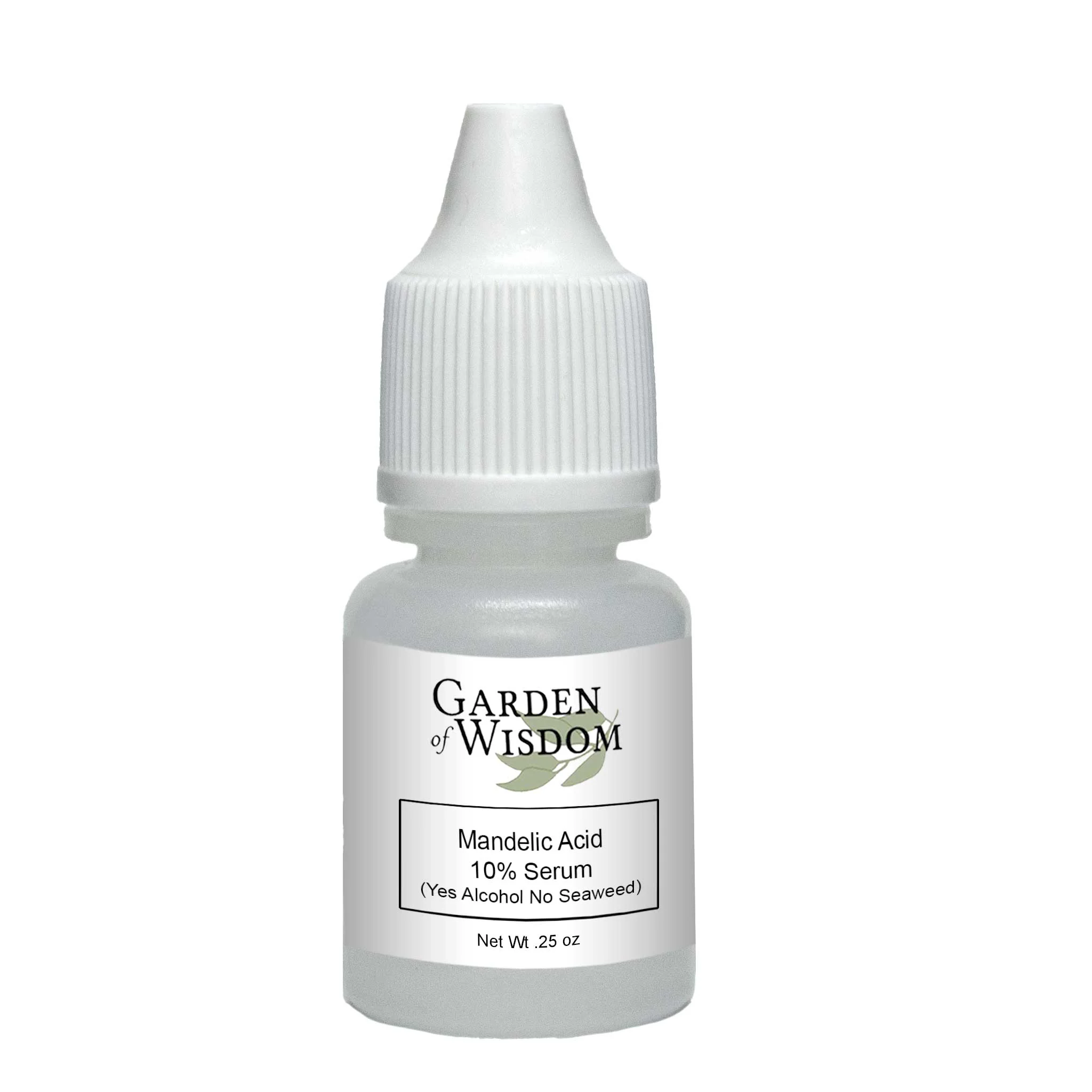
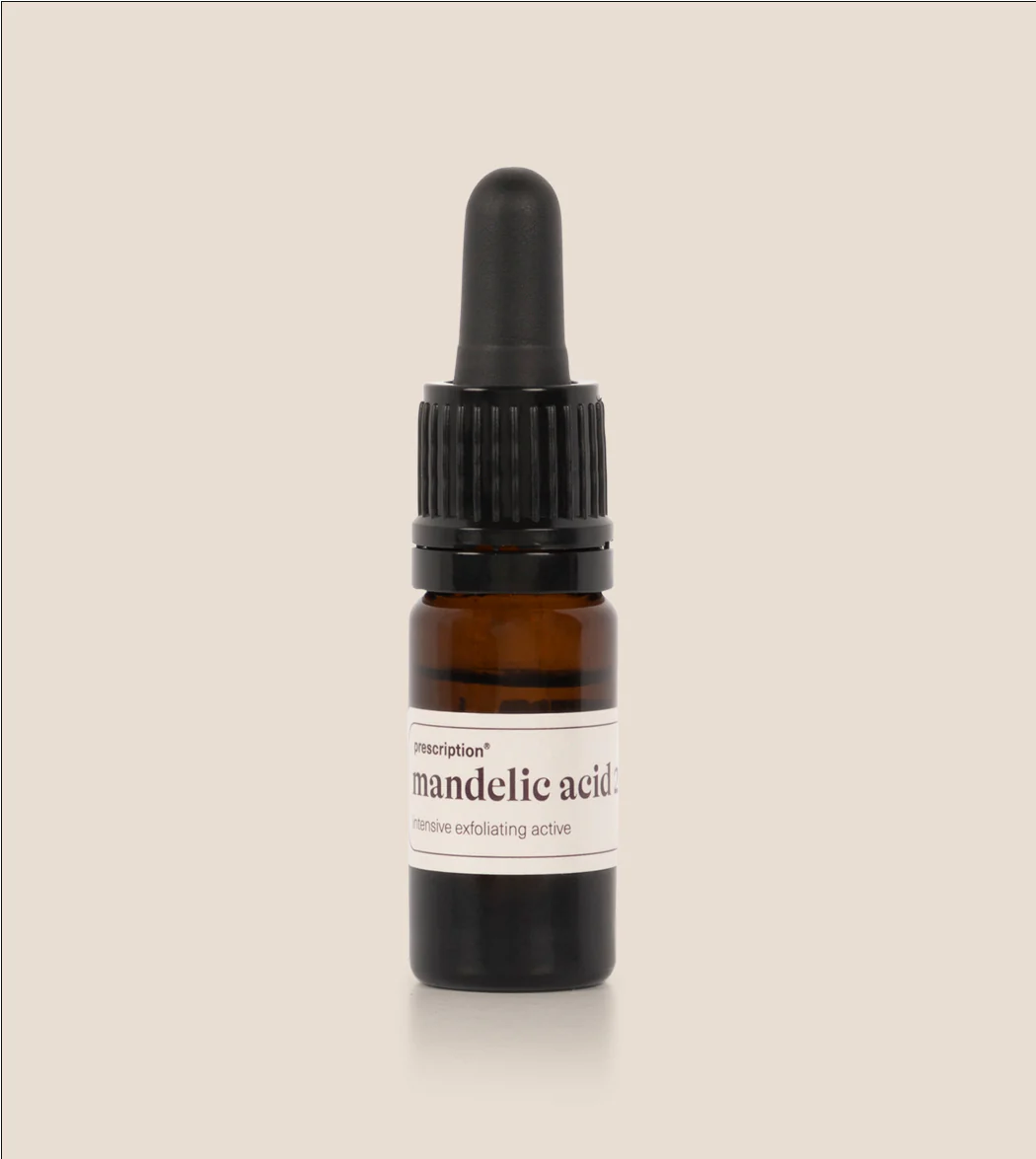
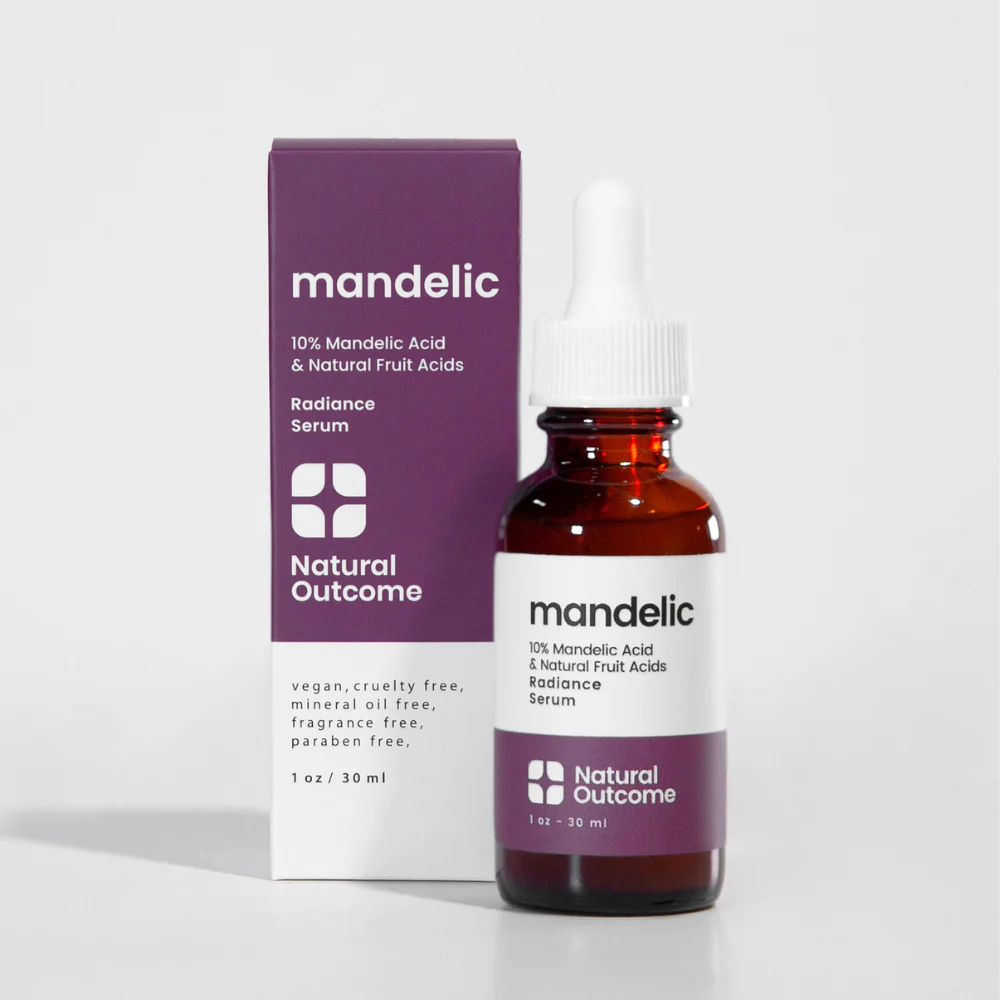
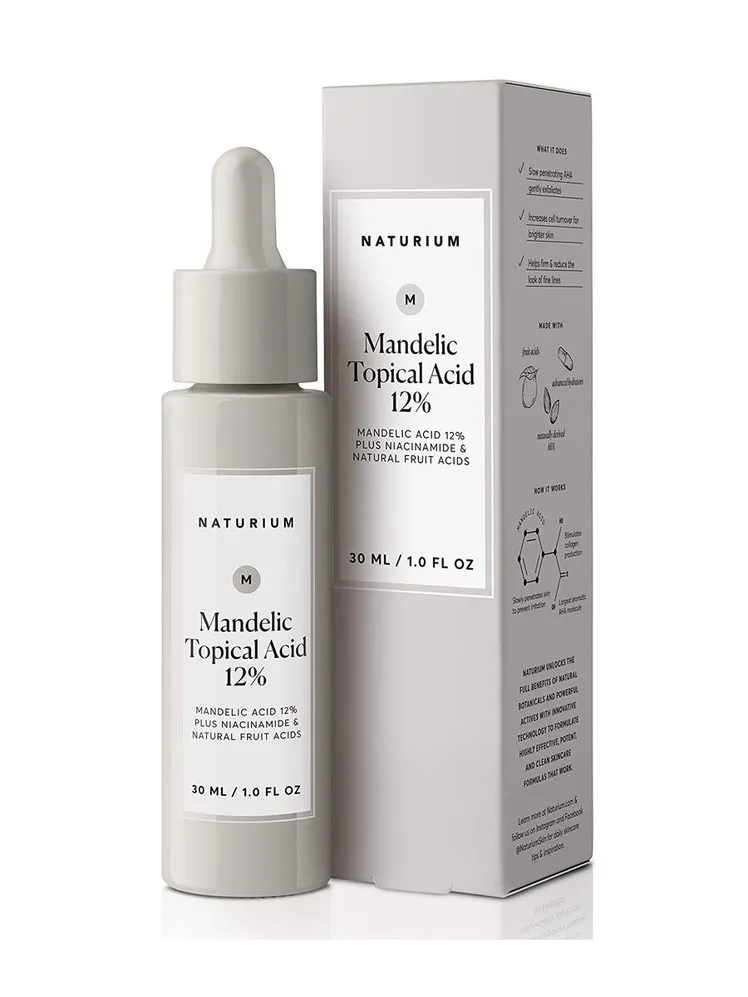

Description
1. Product Overview
Mandelic Acid is an alpha-hydroxy acid (AHA) distinguished by its larger molecular weight and aromatic ring structure, offering superior lipophilicity and lower irritancy compared to glycolic or lactic acid. Its primary industrial use is as a high-performance intermediate in specialty chemical synthesis, advanced pharmaceutical formulations (antibiotics, urinary antiseptics), and precision polymer manufacturing. The key value proposition is its dual functionality: effective exfoliation and antibacterial activity combined with exceptional thermal stability, enabling formulators to achieve targeted results without aggressive side effects. Strategically, it is critical for suppliers moving toward “mild yet potent” chemical actives in regulated markets like North America and Europe.
2. Key Specifications & Technical Characteristics
-
Chemical composition: C₈H₈O₃ (2-Hydroxy-2-phenylacetic acid); ≥99.0% purity (pharma grade available)
-
Physical form: White to off-white crystalline powder
-
Particle size: 80–200 mesh (standard); micronized available upon request
-
Melting point: 119–121°C
-
Bulk density: 0.55–0.65 g/cm³
-
Solubility: Soluble in water (15 g/100 mL at 25°C), freely soluble in ethanol, propylene glycol, and ethyl acetate
-
Heavy metals: ≤10 ppm (Ph.Eur./USP compliant)
-
Packaging options: 25 kg multi-layer kraft paper bags with PE liner; 500 kg FIBC bulk bags; 200 kg HDPE drums
-
Shelf life: 24 months in original unopened packaging, stored below 30°C in dry, ventilated area
3. Core Industrial Applications
-
Pharmaceutical synthesis: Used as a key intermediate in the production of cyclandelate (vasodilator) and mandelamine (methenamine mandelate—urinary tract antiseptic). Outperforms benzoic acid derivatives due to superior hydrolytic stability and lower skin penetration risk.
-
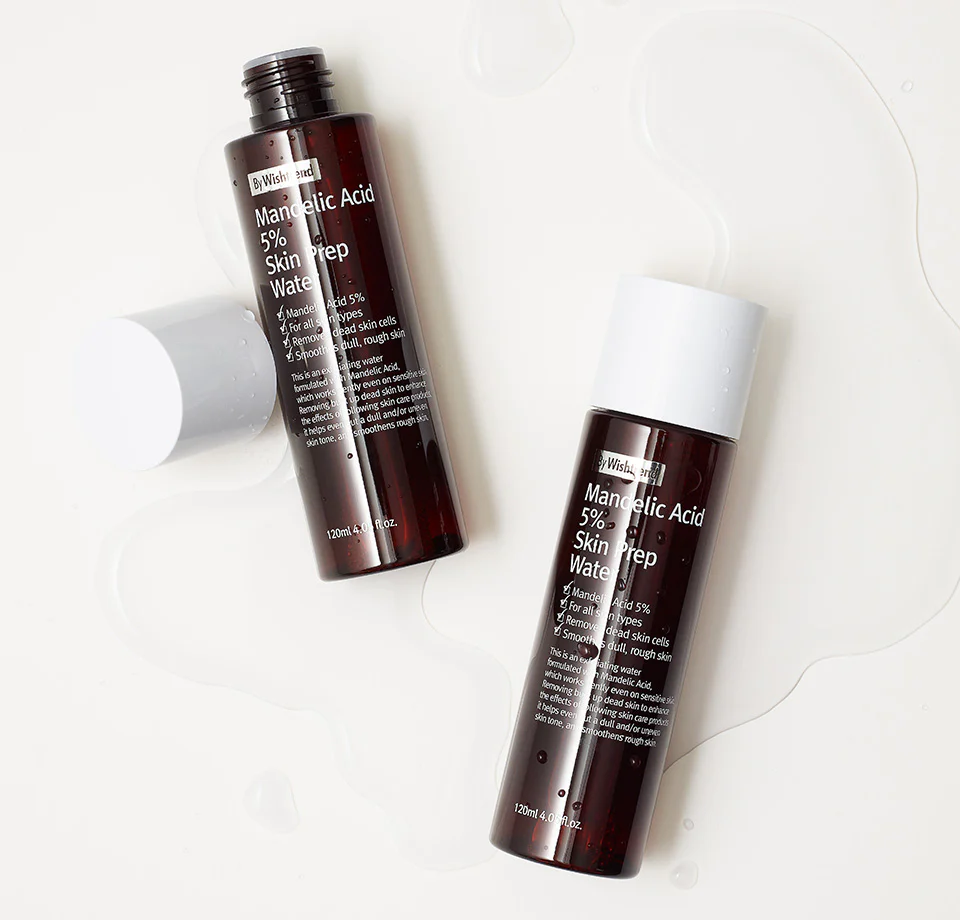
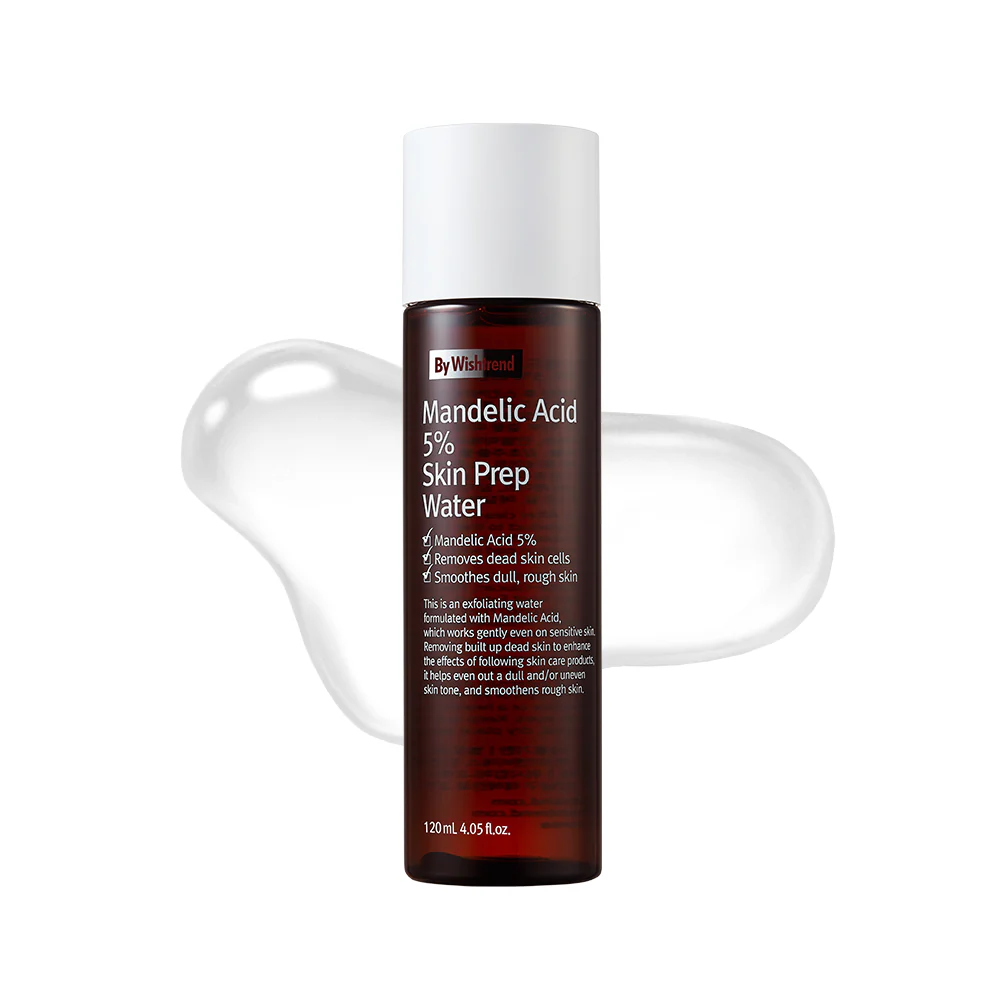
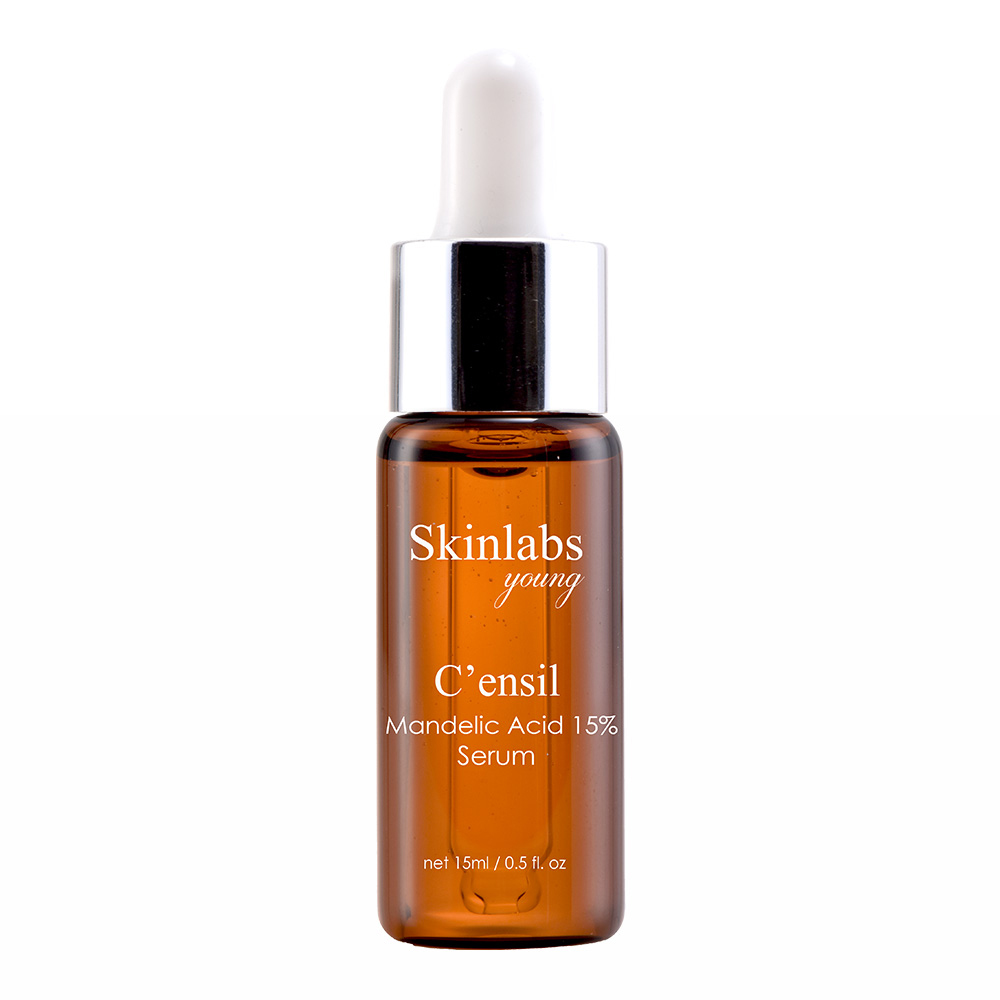
Cosmeceutical & personal care: Base active in chemical peels (10–25% concentrations), acne serums, and anti-aging formulations. Its larger molecular weight reduces dermal irritation vs. glycolic acid, allowing higher concentration usage in professional products without neutralization complexity.
-
Industrial polymer additives: Acts as a chain terminator in phenolic resin manufacturing and as a corrosion inhibitor in metalworking fluids. Provides 30% longer bath life compared to citric acid in aqueous systems due to lower metal chelation interference.
-
Fine chemical synthesis: Preferred chiral building block for enantioselective reactions where mandelate esters are required—offers higher yield consistency (95%+ vs. 85% for racemic alternatives) in asymmetric hydrogenation.
4. Competitive Advantages
-
Quality consistency: ISO 9001:2025 certified production with batch-to-batch HPLC analysis (RSD <1.5%); each shipment includes COA, MSDS, and residual solvent report.
-
Supply reliability: Dual-source manufacturing (Asia & Europe) with safety stock of 200 MT held in Rotterdam and Houston hubs; 98.7% on-time-in-full performance over 24 months.
-
Logistics capability: Temperature-controlled dry container shipping; hazardous class not required (non-UN2800); compliant with REACH, FDA 21 CFR, and China GB standards.
-
Price competitiveness: Direct-from-crystallization supply chain eliminates intermediate brokers—landed cost 12–18% below EU spot averages on FOB/CIF terms.
-
Sustainability: Solvent recovery rate >92% in production; available with carbon-neutral shipping via verified emission offsets.
-
Technical support: Dedicated application lab with 48-hour response for formulation compatibility testing and impurity troubleshooting.
5. Commercial & Supply Information
-
Minimum Order Quantity (MOQ): 1 MT (trial order); 5 MT (standard contract)
-
BULK 20MT Loading Capacity: 20 MT per 20’ dry container (960 bags of 25 kg or 40 FIBCs of 500 kg)


Reviews
There are no reviews yet.