
Description
-
Product Overview
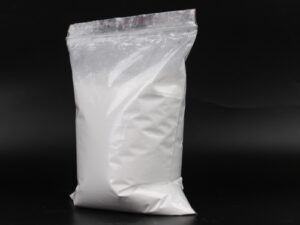
Malic Acid (E296) is a high-purity organic dicarboxylic acid supplied for industrial and food‑grade applications. Primarily used as an acidulant, pH modifier, chelating agent, and buffering component, it delivers precise acidity control and flavor modulation across food & beverage, pharmaceutical, and specialty chemical processes. The product combines consistent purity with scalable bulk supply, reducing formulation variability and procurement risk for manufacturers. Strategically, reliable access to Malic Acid (E296) supports product quality, regulatory compliance, and cost predictability for large-scale industrial processors. -
Key Specifications & Technical Characteristics
-
Chemical name: L‑Malic Acid (E296), systematic: 2‑hydroxybutanedioic acid.
-
Chemical formula: C4H6O5.
-
Purity / grade: Food‑grade / industrial food additive quality, typical assay ≥ 99.0% (on dry basis).
-
Impurities: Compliance with prevailing food/pharma impurity limits (sulfates, chlorides, heavy metals) — heavy metals (Pb, As, Cd, Hg) ≤ specified ppm per regulation.
-
Optical rotation: meets L‑isomer specification (if required for application).
-
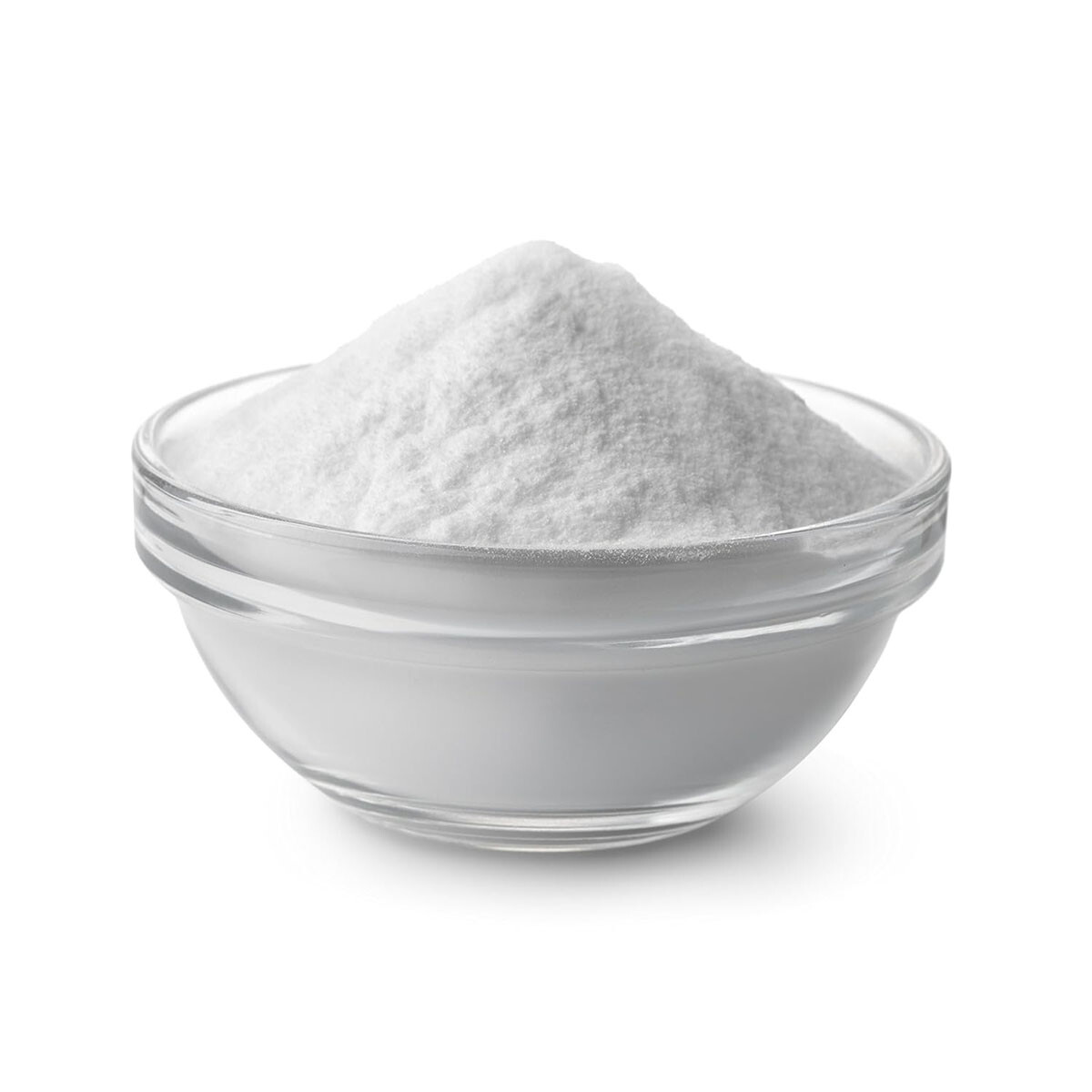
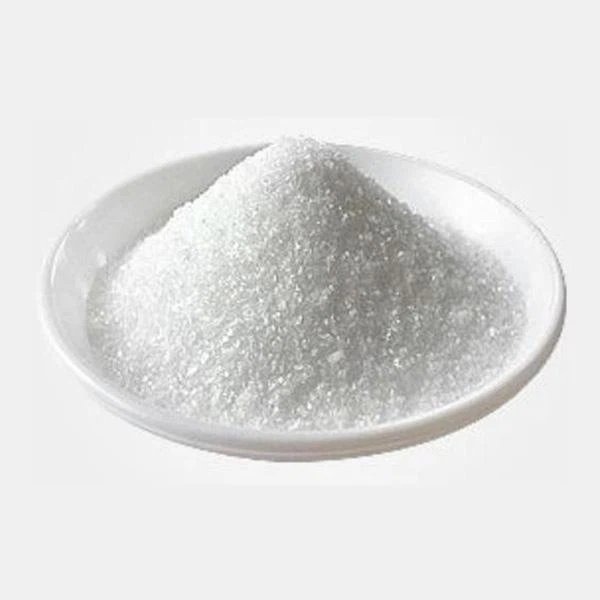
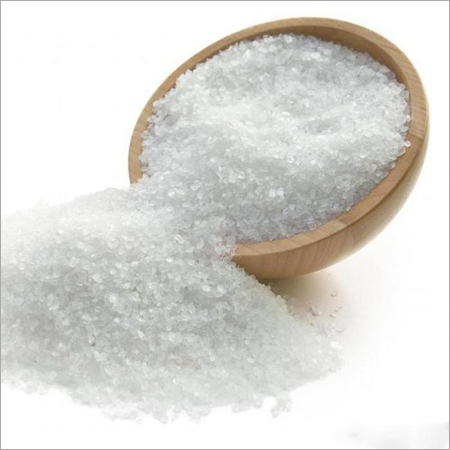
Physical form: White crystalline powder.
-
Particle size: Typical D50 in the range 50–250 µm (custom milling available on request).
-
Bulk density: ~0.6–0.8 g/mL (tapped).
-
Solubility: Highly soluble in water; solubility increases with temperature.
-
pH (1% aqueous solution): typically ~2.2–2.8.
-
Moisture content: ≤ specified % (typical ≤ 0.5–1.5% depending on grade).
-
Packaging options: 25 kg multi‑wall paper bags with polyethylene liner, 500 kg and 1,000 kg FIBC (bulk bags), and ISO tank/blended container loads for fully dissolved systems (availability by request).
-
Shelf life / storage: 24 months when stored in a cool, dry, well‑ventilated area in original sealed packaging; hygroscopic — keep moisture‑protected.
-
Core Industrial Applications
-
Food & Beverage: Acidulant, tartness intensifier, pH control, flavor enhancer in beverages, confectionery, dairy, and processed foods. Offers cleaner, longer‑lasting tartness compared with citric acid in some formulations.
-
Pharmaceutical & Nutraceuticals: pH modifier, taste masking, and buffering in syrups, effervescent formulations, and tablets; supports solubility and stability of active ingredients.
-
Personal Care & Cosmetics: pH adjustment and chelation in lotions, shampoos, and oral care products; gentle acidity profile for skin‑compatible formulations.
-
Metal Treatment & Industrial Chemistry: Mild chelating and scale‑removal agent in cleaning formulations and metal treatment baths where controlled acidity and biodegradability matter.
-
Polymer & Specialty Chemicals: Monomer or modifier in specialty syntheses and formulations where carboxylic functionality improves compatibility or reactivity.
Why it outperforms alternatives: -
Sensory profile: Provides sustained, rounded tartness vs. sharper acidity from alternatives, improving final product sensory acceptance.
-
Functional versatility: Acts as both acidulant and chelating agent, reducing need for multiple additives.
-
Regulatory suitability: Recognized food additive (E296) with broad international acceptance, simplifying cross‑market formulations.
-
Competitive Advantages
-
Quality consistency: Tight specification control and batch traceability ensure low lot‑to‑lot variability critical for formulation stability.
-
Supply reliability: Structured bulk production capacity and inventory management to support continuous supply for high‑volume manufacturers.
-
Logistics capability: Flexible packaging (25 kg to 20 MT bulk), container loading optimization, and regional distribution hubs to reduce lead times and freight costs.
-
Price competitiveness: Economies of scale for bulk purchasers with contract pricing and volume discounts.
-
Sustainability: Manufactured with processes designed to minimize waste and energy intensity; readily biodegradable and suitable for formulations prioritizing lower environmental impact.
-
Technical support: Full documentation (Certificate of Analysis, MSDS, product specification sheet), regulatory dossiers upon request, and formulation support from technical specialists for application optimization.
-
Commercial & Supply Information
-
Minimum order quantity (MOQ): BULK 20MT.
-
Loading capacity (MT per container): Typical 20 MT per 20′ container (FIBC bulk bags or palletized 25 kg bags), up to 24–25 MT possible with optimized packing and depending on local shipping regulations and container type.


Reviews
There are no reviews yet.