
Description
-
Product Overview
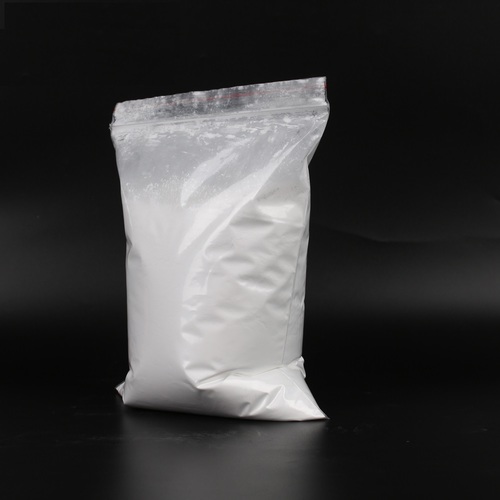
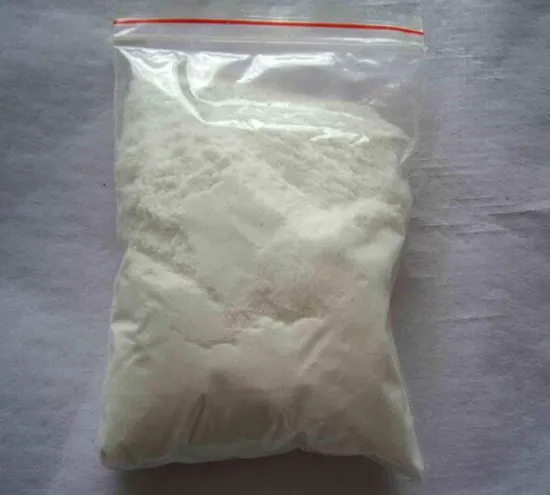
Xanthan Gum (E415) is a high-performance microbial polysaccharide rheology modifier produced by fermentation of Xanthomonas campestris. It serves as a versatile thickener, stabilizer, and suspending agent across food, personal care, oil & gas, paints & coatings, and industrial formulations. The product delivers predictable viscosity control, superior shear-thinning behavior, and robust stability across broad pH, temperature, and salinity ranges—enabling process consistency and product quality at scale. For strategic buyers, Xanthan Gum E415 reduces formulation variability, lowers processing risk, and supports cost-efficient scaling of batch and continuous manufacturing.
-
Key Specifications & Technical Characteristics
-
Chemical composition: Xanthan gum, polysaccharide produced by Xanthomonas campestris fermentation; primarily glucose, mannose, and glucuronic acid repeating units.
-
Functional designation: E415 (food additive grade) / industrial grade available on request.
-
Purity/Grade: Typical purity ≥ 95% active polysaccharide (specifiable to customer grade requirements).
-
Viscosity (typical): 1% aqueous solution Brookfield viscosity range available per customer spec (samples commonly supplied at 1000–3000 mPa·s at 25°C; exact grade adjustable).
-
pH stability: Effective performance across pH 2–12; optimal stability pH 4–10.
-
Thermal tolerance: Stable up to 120°C for short exposures; retains functionality after common processing temperatures.
-
Salinity tolerance: Functional in high-salt and brine environments (suitable for oilfield and certain food/process applications).
-
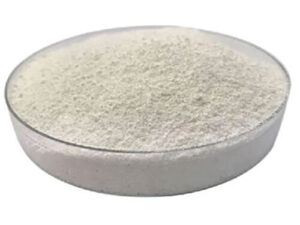
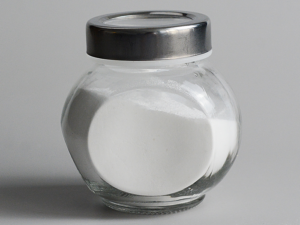
Solubility & form: Off-white to cream powder; readily hydrated in cold water with controlled dispersion methods; particle size distribution customizable (typical D50 50–200 µm).
-
Bulk density: 0.35–0.55 g/cm³ (packed density depends on packaging).
-
Microbial limits: Total plate count and yeast/mold specified to industrial/food-grade limits; pathogen-free certificates available.
-
Heavy metals: Compliant with international limits (lead, arsenic, cadmium, mercury—specifiable testing certificates).
-
Packaging options: 25 kg kraft bags with PE liner; 500 kg FIBC bulk bags; 20 MT palletized bulk for container shipments.
-
Shelf life: 24 months when stored in cool, dry conditions away from direct sunlight and moisture; unopened packaging recommended.
-
Core Industrial Applications
-
Food & Beverage: Thickening and stabilizing in dressings, sauces, dairy analogues, and gluten-free bakery products; superior mouthfeel and emulsion stability compared with starches, enabling lower dosages and consistent sensory profiles.
-
Personal Care & Cosmetics: Viscosity control and suspension in lotions, gels, shampoos, and toothpastes; provides shear-thinning texture that improves pumpability and spreadability while maintaining stability.
-
Oil & Gas (Drilling & Completion Fluids): Rheology control and suspension in water-based drilling muds and fracturing fluids; maintains viscosity in high-salinity and high-temperature conditions, reducing fluid loss and improving solids control.
-
Paints, Coatings & Inks: Rheology modification for anti-sag, leveling, and pigment suspension; delivers consistent viscosity under shear, improving application and film formation compared with synthetic thickeners.
-
Pharmaceuticals & Agrochemicals: Controlled-release matrices, suspension stabilization, and sprayable formulations where biodegradability and regulatory acceptance are important.
-
Industrial Processing: Emulsions, adhesives, textiles, and ceramic slips where predictable shear thinning and thickening behavior reduce waste and increase throughput.
Why it outperforms alternatives:
-
Low required dosage for target viscosities reduces raw-material costs.
-
Broad stability window (pH, temperature, salinity) minimizes need for co-thickeners or stabilizers.
-
Strong shear-thinning behavior improves pumpability and reduces energy use in processing.
-
Biopolymer nature supports regulatory acceptance in food and personal-care markets compared with some synthetic rheology modifiers.
-
Competitive Advantages
-
Quality consistency: Manufacturing under controlled fermentation and standardized QC ensures batch-to-batch viscosity and molecular weight consistency.
-
Supply reliability: Dedicated production capacity with contracted fermentation slots and safety stock to support continuous supply for industrial customers.
-
Logistics capability: Flexible packaging (25 kg to 20 MT) and coordinated export logistics from Buea, Cameroon, supporting FCL/LCL, FIBC, and palletized shipments with lead-time transparency.
-
Price competitiveness: Cost-efficient fermentation-based production and scalable packaging options deliver competitive landed cost at bulk volumes.
-
Sustainability: Biobased and biodegradable product with lower lifecycle environmental impact than many synthetic polymers; fermentation feedstock traceability available on request.
-
Technical support: Application support, formulation guidance, and sample testing provided; certificates (TPC, heavy metals, COA) and technical data sheets available to expedite regulatory and QA approval.
-
Commercial & Supply Information
-
Minimum order quantity (MOQ): BULK 20 MT.
-
Loading capacity (MT per container): 20 ft container up to 20 MT (palletized/25 kg bags), 40 ft container up to 24–25 MT (optimized loading with FIBC/bulk arrangements).
Reviews
There are no reviews yet.