
Description
-
Product Overview
Beta Carotene (E160a) is a high-purity provitamin A carotenoid supplied as a stable, oil-dispersible pigment and nutrient ingredient for industrial food, feed, and nutraceutical manufacturing. It functions primarily as a colorant and vitamin A precursor, delivering consistent orange-red coloration while contributing provitamin A activity where regulatory frameworks permit. The product’s key value proposition is predictable, batch-to-batch color strength with certified provitamin A content and industrial-grade stability for high-volume processing. Strategically, reliable Beta Carotene (E160a) enables manufacturers to meet product labeling targets, fortify formulations cost-effectively, and comply with global food and feed safety standards while supporting streamlined supply chains.
-
Key Specifications & Technical Characteristics
-
Chemical identity: Beta Carotene (E160a), all-trans beta-carotene predominant, formula C40H56.
-
Material components: Beta carotene active, carrier oil (medium-chain triglycerides or equivalent) for oil-dispersible grades; alternative powder grades available with approved excipients.
-
Purity / grade: Industrial/Food-grade with typical beta-carotene content ≥ 20% w/w (oil-dispersible), or up to ≥ 95% for crystalline pure active (specify on request). Certificates of Analysis (CoA) accompany shipments.
-
Assay method: HPLC quantification of all-trans beta-carotene with reported trans/cis isomer profile.
-
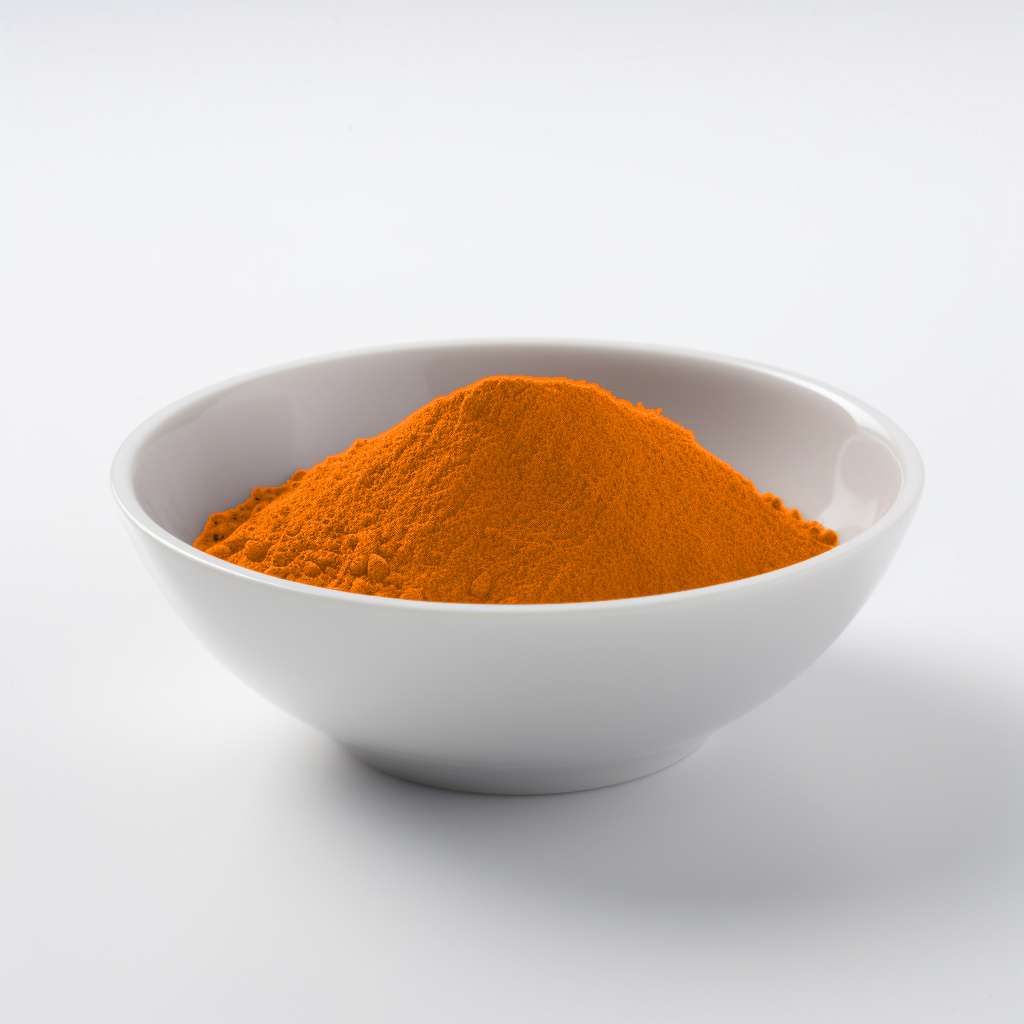
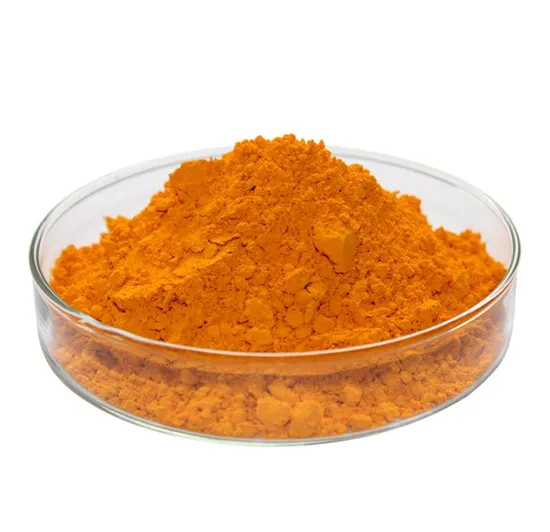
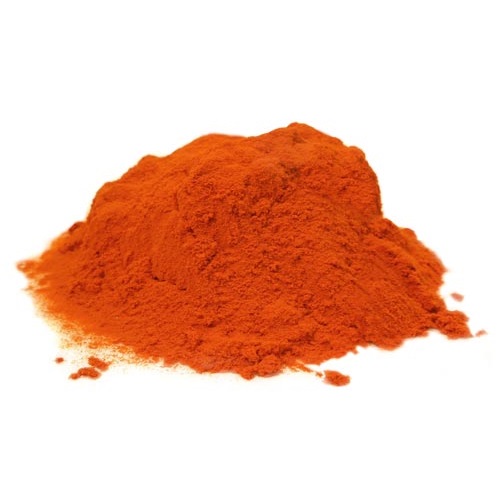
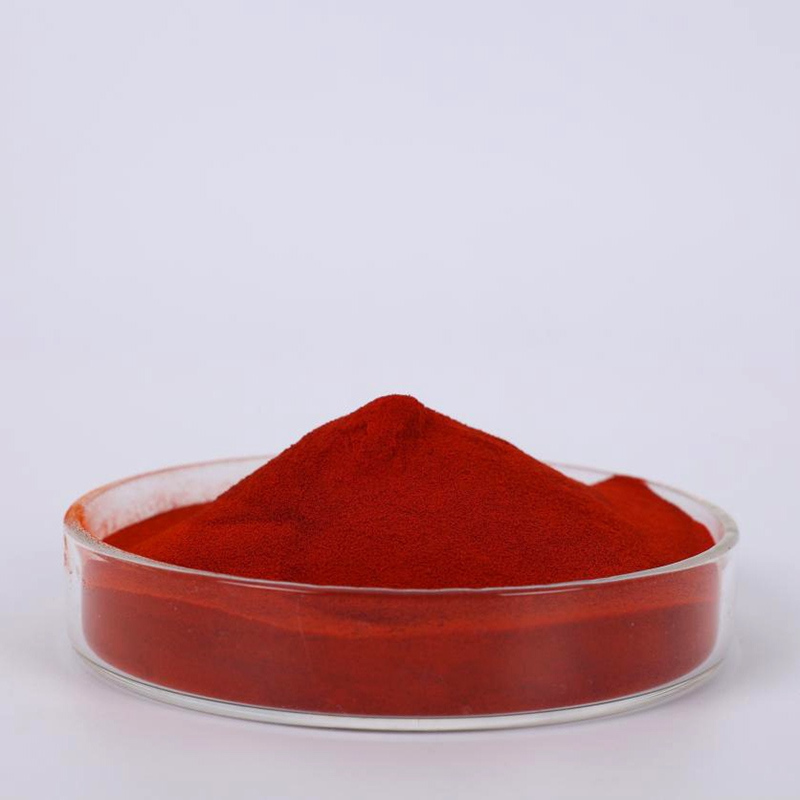
Physical form: Oil-dispersible liquid concentrate or micro-particulate powder; viscous orange-red oil or free-flowing orange powder depending on grade.
-
Color specification: Strong orange to red hue; Color strength quoted in mg beta-carotene per kg and/or Lovibond/APHA units on request.
-
Particle size (powder grades): Typical D50 in the range 10–60 µm (custom milling available).
-
Bulk density (powder): 0.35–0.65 g/cm³ (grade dependent).
-
Solubility: Oil-soluble; limited solubility in aqueous systems without emulsifiers or encapsulation.
-
Stability: Antioxidant-stabilized; shelf-stable under recommended storage (cool, dark, <25°C) with typical shelf life 12–24 months depending on packaging and storage conditions.
-
Moisture (powder): Typically <5% w/w.
-
Heavy metals & contaminants: Supplied to meet international limits (Pb, Cd, As, Hg) per customer specification and regulatory norms; microbial limits per food/feed grade.
-
Packaging options: 25 kg fiber drums with liners, 190–220 kg steel/drum, ISO tank or IBC for bulk oil-dispersible grades, palletized 25 kg sacks for powders; custom packaging for export and retail as required.
-
Documentation: CoA, Safety Data Sheet (SDS), GMP statement, origin & lot traceability, and regulatory compliance documentation available on request.
-
Core Industrial Applications
-
Food & Beverage: Colorant for bakery, dairy analogues, beverages, confectionery, and snack seasonings; used where provitamin A fortification is required or desired.
-
Animal Feed & Aquaculture: Pigmenting agent for poultry egg yolk, salmonid flesh coloration, and livestock feed fortification to achieve target nutritional profiles and marketable color.
-
Nutraceuticals & Dietary Supplements: Ingredient in softgels, capsules, and premixes to deliver provitamin A activity and antioxidant positioning.
-
Cosmetics & Personal Care: Natural colorant in lipsticks, creams, and sun-care formulations (oil-dispersible grades).
-
Industrial Food Premixes & OEM Ingredients: Included in powdered premixes and spray-dried matrices for downstream convenience and dosing accuracy.
Why it outperforms alternatives:
-
Consistent Color Strength: Standardized assay and color metrics allow predictable dosing and reduced production variability versus unstandardized extracts.
-
Stability & Process Robustness: Antioxidant stabilization and oil-dispersible formats resist degradation during thermal processing and storage better than raw plant extracts.
-
Cost Efficiency: High active content options lower required usage rates versus low-potency concentrates, reducing per-unit cost in large-scale formulations.
-
Regulatory Confidence: Supplied with documentation to support food/feed safety approvals and labeling in major jurisdictions.
-
Competitive Advantages
-
Quality Consistency: Lot-to-lot CoAs, HPLC assay, and isomer profiling ensure repeatable performance in industrial processes.
-
Supply Reliability: Secured raw material sourcing and scheduled bulk production minimize lead-time variability for enterprise customers.
-
Logistics Capability: Flexible packaging (drums, IBCs, ISO tanks), export-ready labeling, and coordinated loading for container and bulk shipments.
-
Price Competitiveness: Scalable pricing tiers for bulk contracts and long-term agreements; lower effective cost-per-kg at 20 MT+ volumes.
-
Sustainability & Traceability: Source traceability, options for sustainably sourced carotenoid feedstocks, and reduced-waste bulk packaging available.
-
Technical Support: Application guidance, dosing recommendations, heat/process stability data, and on-request small-scale trial samples; regulatory and labeling support documentation provided.
-
Commercial & Supply Information
-
Minimum Order Quantity (MOQ): BULK 20 MT.
-
Loading capacity (MT per container): Typical loading capacities per 20-foot/40-foot container depend on packaging:
-
20-foot container: up to ~18–20 MT (palletized 25 kg sacks/drums depending on cube and weight limits).
-
40-foot container: up to ~22–24 MT (bulk drums/IBC optimized).
-
ISO tank / flexibag: up to ~20–24 MT for oil-dispersible grades, subject to container fill rules and density.
-
Reviews
There are no reviews yet.