
Description
-
Product Overview
Low Acyl Gellan is a high-performance microbial polysaccharide gelling agent produced to industrial-grade specifications for use as a stabilizer, thickener, and texturizer. Primarily deployed in food, beverage, pharmaceutical, personal care, and specialty chemical formulations, it delivers robust gelation and thermal stability across a wide pH range. The product’s key value proposition is consistent, controllable gel structure at low inclusion rates—enabling formulation simplification, cost savings, and improved shelf stability. Strategically, sourcing standardized Low Acyl Gellan reduces process variability and supports scale-up, regulatory compliance, and product differentiation for B2B manufacturers. -
Key Specifications & Technical Characteristics
-
Chemical composition: High-molecular-weight microbial polysaccharide (gellan gum; primarily D-glucose, D-glucuronic acid, and L-rhamnose repeating units).
-
Functional grade: Low Acyl (low acetyl substitution) for firm, brittle gels with strong gelling efficiency.
-
Purity/assay: Typical active gellan content ≥ 95% (dry basis); residual protein and ash controlled to industrial specifications.
-
Microbiological limits: Total plate count and yeast/mold within industrial food/pharma acceptance, supplied with certificate of analysis.
-
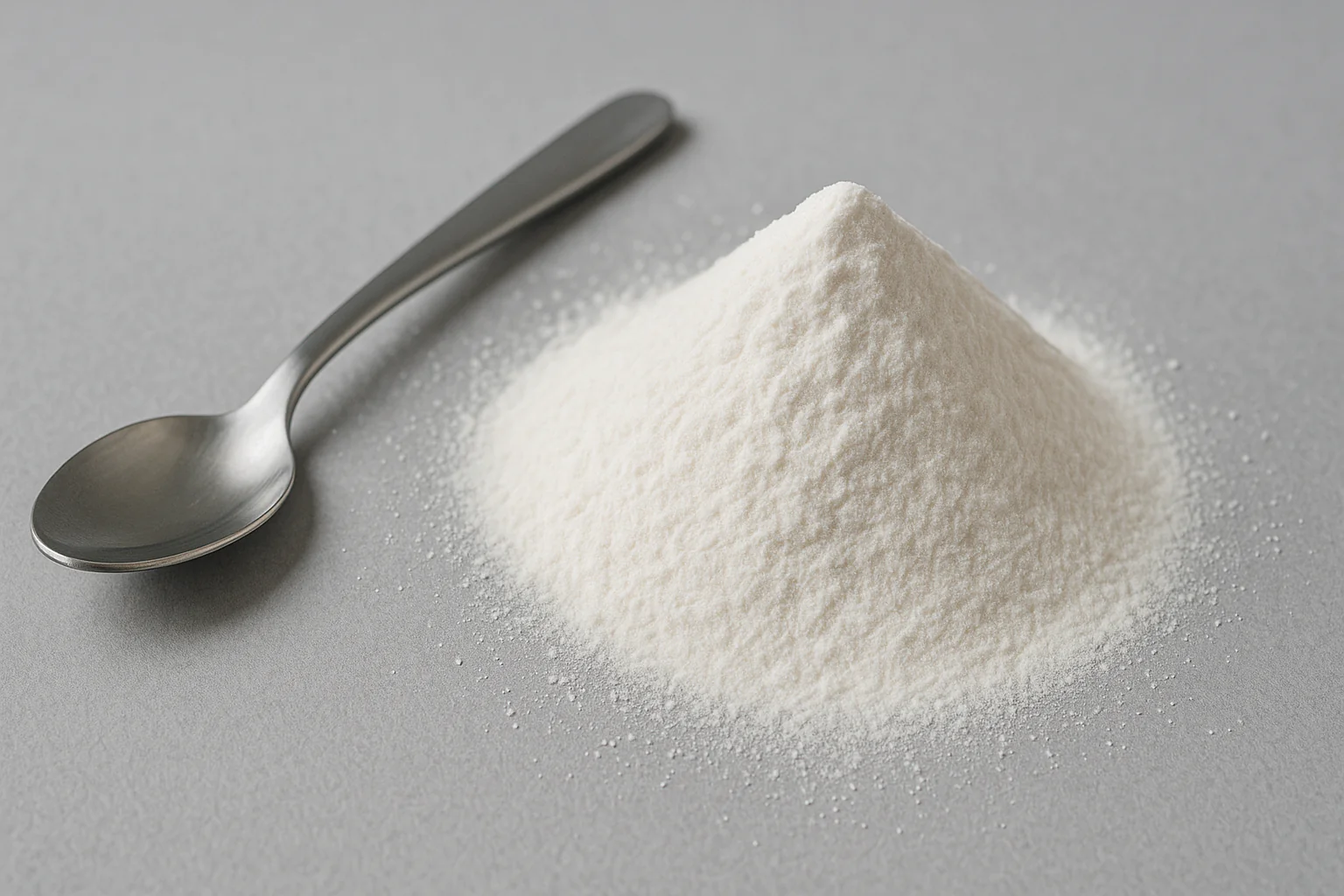
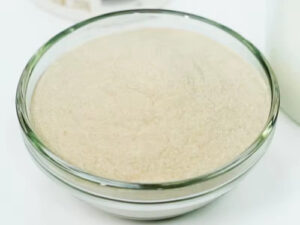
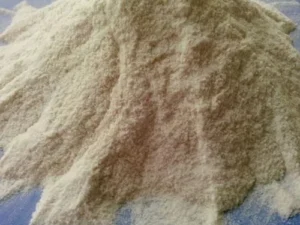
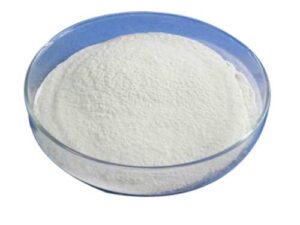
Physical form: Fine powder (free-flowing).
-
Color: Off-white to pale yellow.
-
Particle size: Typical D90 ≤ 250 µm (grade-dependent; custom milling available).
-
Bulk density: ~0.35–0.50 g/mL (subject to packing and conditioning).
-
Solubility & handling: Dispersible in hot or cold water with controlled shear; requires cations (e.g., Ca2+) for optimal gelation in many systems.
-
Viscosity/gelling: Low usage levels (0.02–0.5% w/w depending on application) produce firm gels; gelation temperature and texture tunable via ionic strength and processing.
-
Moisture content: ≤ 12% (typical).
-
Packaging options: 25 kg multi-ply kraft bags with PE liner; 500–1,000 kg FIBCs (bulk); ISO tank/IBC options for slurries on request.
-
Shelf life: 24 months when stored dry, in original sealed packaging, away from direct sunlight and moisture, at 10–25°C.
-
Documentation: Certificate of Analysis (CoA), Safety Data Sheet (SDS), Technical Data Sheet (TDS), and regulatory compliance statements (food/pharma grades) available on request.
-
Core Industrial Applications
-
Food & Beverage: Firming agent for confectionery gels, plant-based desserts, dairy alternatives, and low-calorie formulations; replaces higher-use hydrocolloids to lower cost-in-use while delivering clear, stable gels.
-
Pharmaceutical & Nutraceuticals: Controlled-release matrices, viscosity modifiers for suspensions, and capsule-fill formulations requiring predictable gel integrity and regulatory-grade documentation.
-
Personal Care & Cosmetics: Stabilizer for creams, gels, and rinse-off products where clean label and textural control are required.
-
Specialty Chemicals & Industrial: Thickening and structuring in adhesives, coatings, and advanced materials where thermal and mechanical stability at low concentrations improves processing efficiency.
Why it performs better: -
High gelling efficiency at low dosage reduces raw-material cost and formulation complexity.
-
Robust performance across broad pH and temperature ranges provides processing flexibility.
-
Predictable, reproducible gel textures minimize batch-to-batch variability and downstream waste.
-
Competitive Advantages
-
Quality consistency: Manufactured under controlled fermentation and downstream purification processes; batch-to-batch CoA ensures predictable functional performance.
-
Supply reliability: Multi-source production capacity, forward-stock programs, and bulk packaging options support continuous industrial supply.
-
Logistics capability: Available in bulk FIBC and container-load quantities with stable shelf life, enabling efficient inbound handling and reduced freight cost per MT.
-
Price competitiveness: Low usage rates combined with competitive unit pricing lower cost-in-use versus alternative hydrocolloids.
-
Sustainability: Microbial fermentation feedstocks and energy-optimized purification reduce lifecycle impacts; recyclable/returnable bulk packaging options available.
-
Technical support: Application labs, formulation support, and documentation (TDS, SDS, CoA) provided to accelerate scale-up and regulatory compliance.
-
Commercial & Supply Information
-
Minimum order quantity (MOQ): BULK 20 MT
-
Loading capacity (MT per container): Typical 20-foot container capacity: 20–22 MT (bagged in 25 kg and FIBC formats depending on packing and stowage).
Reviews
There are no reviews yet.