
Description
- Product Overview
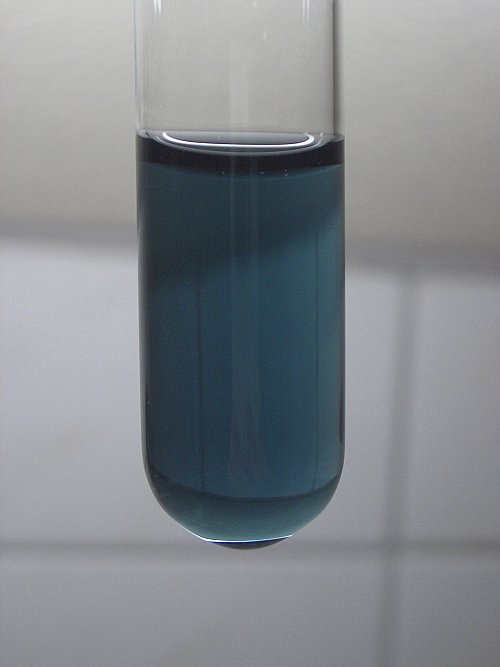
Iridium Organometallic Residue is a high-value secondary iridium-bearing material recovered from spent industrial catalysts and electrochemical processes. Its primary industrial use is as a cost-effective feedstock for iridium metal refining, specialty alloy production, and advanced catalytic system regeneration. The key value proposition lies in delivering verified iridium content at a fraction of primary metal cost while reducing supply chain risk. It is strategically important in the market due to iridium’s extreme scarcity, critical role in PEM electrolyzers for green hydrogen, and sustained demand from electronics, chemical, and aerospace sectors. - Key Specifications & Technical Characteristics
- Chemical composition / Material components: Iridium organometallic complexes and metallic iridium entrained in carbonaceous/alumina/silica matrix; typical Ir content range 1.5% – 8.5% on dry basis; may contain Pt, Ru, Rh traces <0.3%
- Purity level / Grade: Industrial refining grade; Ir assay certified by ICP-OES or XRF per lot; LOI tested to determine metallic yield
- Physical characteristics:
- Form: Fine to granular powder, free-flowing
- Color: Dark grey to black
- Particle size: 80% passing 100 mesh, 20% passing 200 mesh
- Bulk density: 0.9 – 1.4 g/cm³
- Moisture: ≤2.0% w/w as packed
- Packaging options: 25kg UN-rated HDPE drums with inner PE liner, 500kg / 1000kg FIBC jumbo bags with moisture barrier; palletized and shrink-wrapped for export
- Shelf life: Indefinite when stored in sealed containers, cool dry conditions below 30°C; re-assay recommended if stored >24 months
- Core Industrial Applications
- Primary industries: Precious metal refiners, catalyst manufacturers, PEM electrolyzer component producers, specialty glass and crucible manufacturers, chemical synthesis and pharmaceutical intermediates
- Specific operational use cases: Direct feed for pyrometallurgical/hydrometallurgical iridium recovery; precursor for iridium oxide coating on titanium anodes; alloying addition for high-temperature spark plug and thermocouple production; re-processing into fresh homogeneous/heterogeneous catalysts
- Why it performs better than alternatives: Offers significantly lower $/g Ir entry cost vs. primary sponge or powder; consistent organo-metallic matrix improves leach kinetics and recovery yields >98% in qualified refining circuits
- Efficiency, durability, or cost advantages: Reduces capital tied up in PGM inventory; shortens refining cycle time due to pre-conditioned chemical state; diverts material from hazardous waste streams, lowering ESG liabilities and total landed cost
- Competitive Advantages
- Quality consistency: Every lot pre-sampled, homogenized, and third-party assayed with full COA and ICP traceability; <5% variance in Ir content lot-to-lot
- Supply reliability: Aggregated from audited industrial sources under long-term collection contracts; 60–100 MT quarterly availability with forward allocation programs
- Logistics capability: EXW/FOB/CIF Incoterms 2020; DG Class 9 compliant documentation; established freight lanes from Douala Port, Cameroon with 14-day global dispatch SLA
- Price competitiveness: Structured pricing indexed to 95% of LBMA PM Ir fixing less negotiated treatment charge; volume-tier discounts available above 40 MT
- Sustainability / Environmental benefits: 100% circular economy feedstock; eliminates mining impact; ISO 14001 compliant handling; supports Scope 3 emissions reduction for buyers
- Technical support / Documentation: Full SDS, TDS, customs HS code 7110.41 classification, import licenses assistance, toll-refining partnership options, and end-use application guidance from in-house metallurgists
- Commercial & Supply Information
- Minimum order quantity (MOQ): BULK 20MT
- Loading capacity: 20MT per 20ft FCL container
Reviews
There are no reviews yet.