
Description
1. Product Overview
Organoaluminum By-product is a reactive aluminum-based chemical stream recovered from large-scale alkylaluminum production and polymerization catalyst operations. Its primary industrial use is as a cost-effective co-catalyst, reducing agent, and aluminum source in specialty chemical synthesis, polyolefin production, and metallurgical processing. The key value proposition lies in delivering near-virgin organoaluminum performance at significantly reduced input cost while supporting circular economy objectives. It is strategically important as global manufacturers face tightening aluminum supply chains and ESG mandates to valorize industrial by-streams rather than treat them as hazardous waste.
2. Key Specifications & Technical Characteristics
- Chemical Composition: Mixture of triethylaluminum, diethylaluminum chloride, aluminum alkoxides, and residual hydrocarbon solvents, typical Al content 12–18% w/w
- Purity Level / Grade: Industrial grade; active aluminum assay ≥ 95% of total Al, <0.5% solid impurities after filtration
- Physical Characteristics:
- Form: Pyrophoric liquid
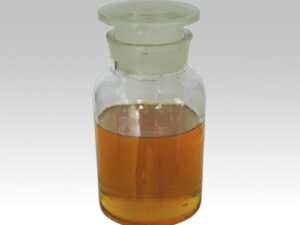
- Color: Clear to pale yellow
- Density @ 20°C: 0.82–0.90 g/cm³
- Viscosity @ 25°C: 1.5–3.0 cP
- Flash Point: < -18°C, handled under inert atmosphere
- Packaging Options: ISO tank containers, UN-approved 200L stainless steel drums, 1000L IBCs with nitrogen padding, all with tamper-evident seals
- Shelf Life: 6 months when stored at <30°C under dry nitrogen, excluding oxygen and moisture ingress
3. Core Industrial Applications
- Primary Industries: Petrochemicals, polyolefin catalysts, pharmaceutical intermediates, specialty organics, aluminum chemicals, pyrotechnics
- Specific Operational Use Cases:
- Co-catalyst in Ziegler-Natta polyethylene and polypropylene production
- Alkylating agent for synthesis of fine chemicals and active pharmaceutical ingredients
- Reducing agent in metallorganic transformations and Grignard-type reactions
- Aluminum dopant source for ceramics and advanced materials processing
- Performance vs. Alternatives: Delivers comparable catalytic activity to prime triethylaluminum at 25–40% lower raw material cost. Lower viscosity improves metering accuracy and reduces reactor fouling compared to solid aluminum waste streams.
- Efficiency, Durability, or Cost Advantages: Enables waste-to-value conversion, reduces hazardous disposal fees, cuts procurement lead times, and lowers carbon footprint by displacing virgin organoaluminum synthesis.
4. Competitive Advantages
- Quality Consistency: Batch-tracked with full COA, ICP-OES, and GC analysis; active Al variance controlled to ±0.5%
- Supply Reliability: Sourced from continuous, multi-site alkylaluminum operations with 500+ MT/month aggregate output
- Logistics Capability: Dedicated DG-certified freight network, in-house UN packaging, global port coverage, SDS in 12 languages
- Price Competitiveness: Tiered bulk pricing 30–45% below prime alkylaluminum market index, FOB and CIF terms available
- Sustainability Benefits: Converts RCRA-listed hazardous waste into usable feedstock; supports Scope 3 emission reduction and ISCC PLUS mass-balance certification pathway
- Technical Support: Full regulatory dossier, REACH pre-registration data, TSCA compliance, and on-call process engineering for safe handling and dosing system integration
5. Commercial & Supply Information
- Minimum Order Quantity (MOQ): BULK 20MT
- Loading Capacity (MT per container): 16 MT per 20ft ISO tank container
Reviews
There are no reviews yet.