
Description
1. Product Overview
The High Tensile PAN Based Carbon Fiber Yarn (HTPAN-12K) is a continuous-strand, polyacrylonitrile-derived carbon fiber filament bundle containing 12,000 individual filaments per tow, engineered for superior tensile strength and modulus. Its primary industrial use lies in high-performance composite manufacturing for aerospace, automotive, and wind energy sectors, where weight reduction and structural integrity are mission-critical. The key value proposition is an exceptional strength-to-weight ratio combined with fatigue resistance, enabling lightweighting without compromising safety or durability. Strategically, this product is vital for industries transitioning to net-zero emissions through electrification and fuel efficiency, as carbon fiber composites directly reduce operational energy demand.
2. Key Specifications & Technical Characteristics
-
Material Composition: Polyacrylonitrile (PAN)-based precursor, carbonized >93% carbon content
-
Grade: Standard modulus, high tensile strength (industrial grade, non-aerospace certified available upon request)
-
Tensile Strength: ≥ 4,900 MPa (710 ksi)
-
Tensile Modulus: 230–240 GPa (33.4–34.8 Msi)
-
Filament Diameter: 7 µm ± 0.2 µm
-
Linear Density: 800 tex ± 15 tex (12K tow)
-
Density: 1.78 g/cm³
-
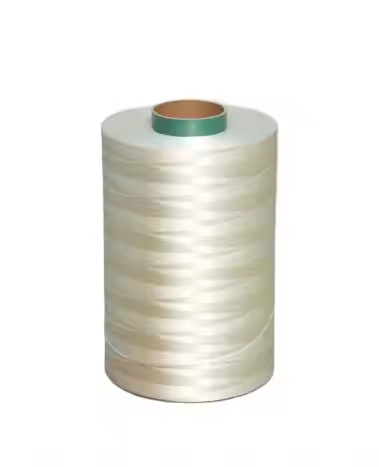
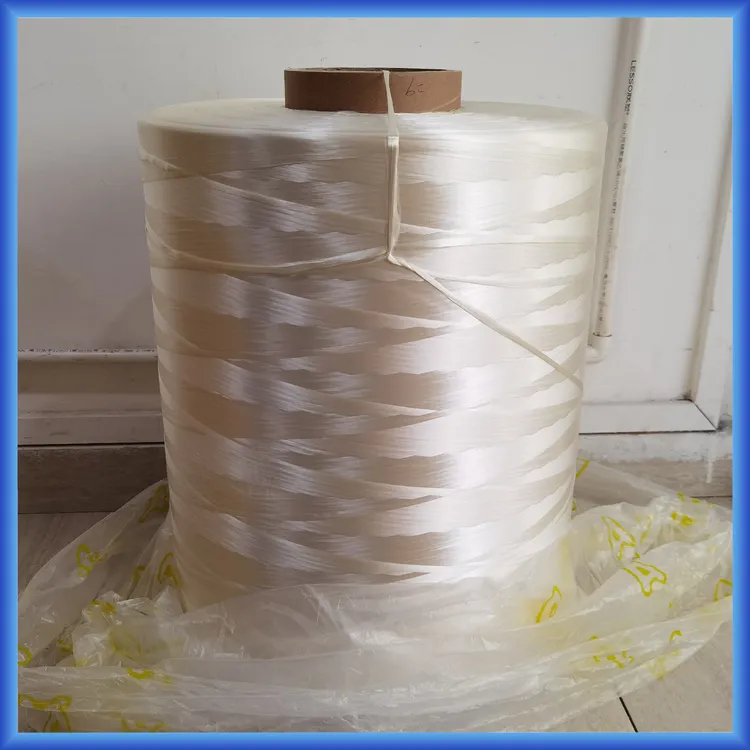
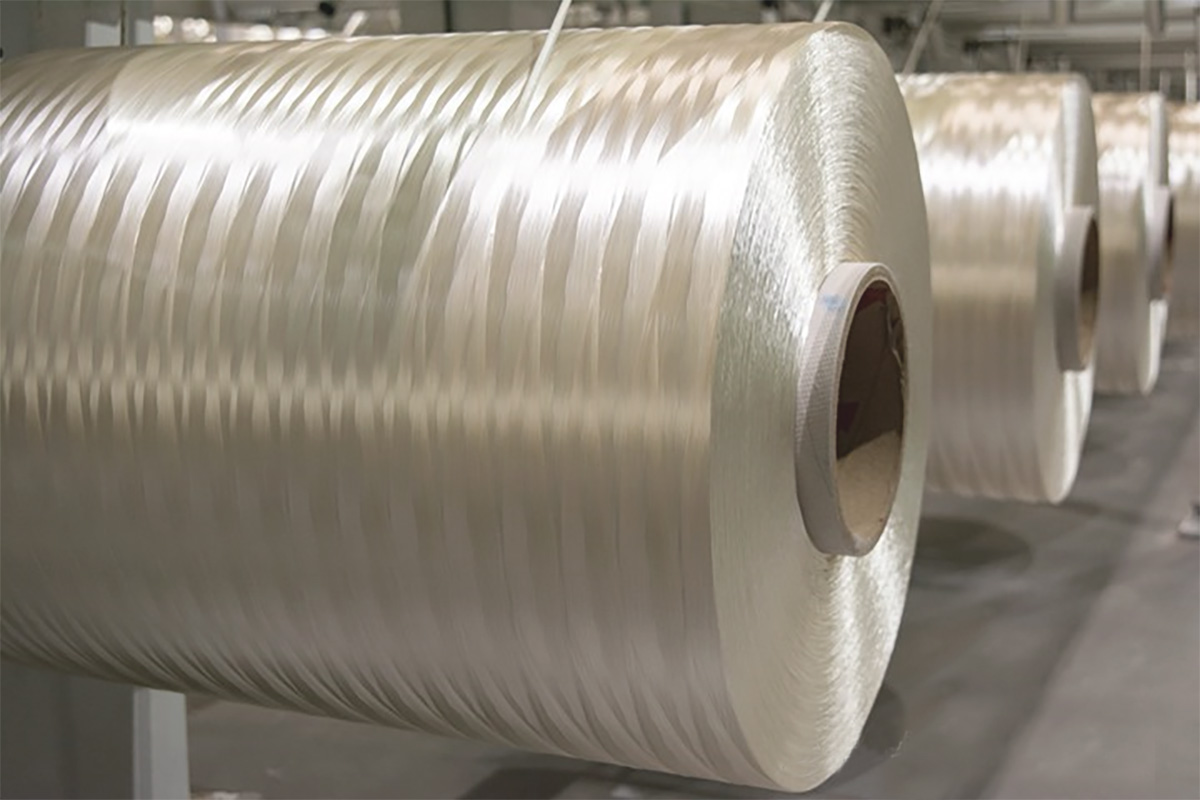
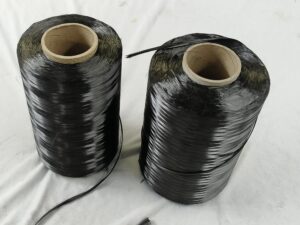
Physical Form: Continuous filament yarn, black, smooth texture, on cylindrical bobbins or spools
-
Sizing Type: Epoxy-compatible (standard) / thermoplastic or vinyl ester (on request)
-
Moisture Content: < 1% (as shipped)
-
Packaging Options:
-
2 kg spools (cardboard core, vacuum-sealed with desiccant)
-
6 kg bobbins
-
12 kg industrial spools
-
-
Shelf Life: 36 months from date of manufacture when stored in original unopened packaging at 20°C ± 5°C, <60% RH, away from UV exposure
3. Core Industrial Applications
| Industry | Specific Use Cases | Performance Advantage over Alternatives |
|---|---|---|
| Aerospace (secondary structures) | Floor panels, wing spars, interior brackets, fairings | Exceeds E-glass in stiffness by 3x at 40% lower weight; superior fatigue life compared to aramid |
| Automotive (high-performance & EV) | Battery enclosures, drive shafts, roof panels, crash structures | Enables 50–60% weight reduction vs. steel; better impact energy absorption than aluminum at same thickness |
| Wind energy | Spar caps for blades >50m length | Higher modulus reduces blade deflection; lower density reduces gravity loads on hub |
| Sports & leisure | Racing bike frames, hockey sticks, golf shafts | Consistent tow alignment improves flexural stiffness vs. random short-fiber composites |
| Industrial robotics | Lightweight arms and end-effectors | Reduced inertia allows faster cycle times and smaller servomotors |
Why it performs better: The 12K tow size balances processability (easier to weave, braid, or filament wind than 24K/50K) with layup speed (faster than 1K/3K). PAN-based chemistry provides higher carbon yield and fewer surface defects than pitch-based alternatives, translating to higher real-world tensile strength in finished laminates.
4. Competitive Advantages
-
Quality consistency: Every production lot is tested for tensile strength, modulus, and tex variation; COA (Certificate of Analysis) provided with each shipment. CV (coefficient of variation) for tensile strength <5% – exceeding ISO 11566 standards.
-
Supply reliability: Vertically integrated manufacturing from precursor polymerization to oxidation/carbonization; buffer stock maintained at three regional warehouses (Asia, Europe, North America).
-
Logistics capability: In-house hazardous materials classification (UN no. 3161) and export documentation; average lead time 14 days EXW for orders above 20 MT.
-
Price competitiveness: Direct-from-factory pricing with no distributor mark-up; volume discounts for annual framework agreements.
-
Sustainability: Production facilities run on 35% renewable energy; zero liquid discharge in surface treatment; carbon footprint data available upon request.
-
Technical support: Free pre-sales compatibility testing with your resin system; failure analysis and layup simulation support for qualified buyers.
5. Commercial & Supply Information
-
Minimum Order Quantity (MOQ): 20 MT (bulk industrial buyers only; samples of 500g available for qualified R&D contracts at cost)
-
Loading capacity (bulk): 20 MT per 20-foot standard dry container (palletized spools, 950 kg net per pallet, 21 pallets per container)
-
Container configuration:
-
20’ container: 20 MT net
-
40’ HC container: 40 MT net (subject to axle weight limits in destination country)
-
Reviews
There are no reviews yet.