

Description
1. Product Overview
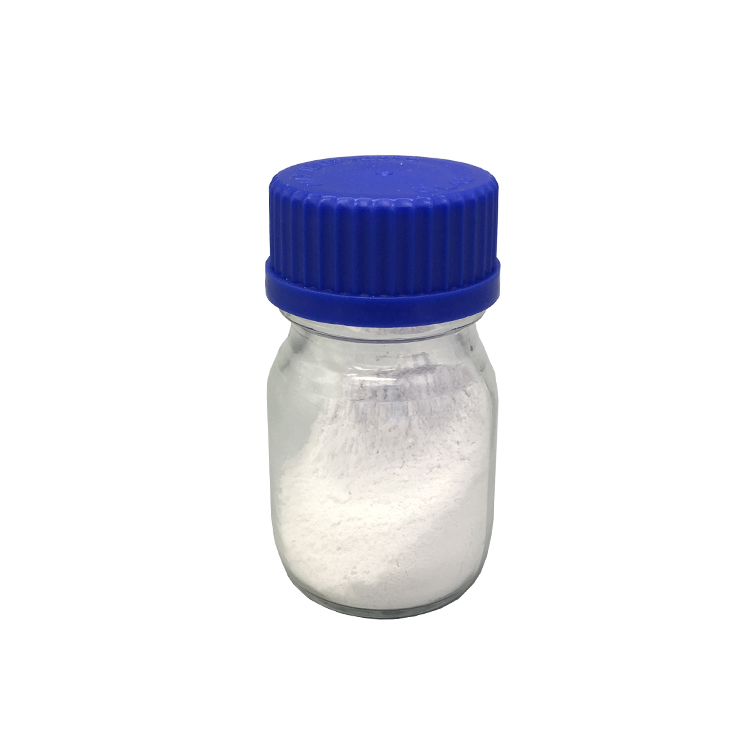
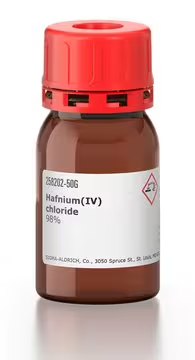
Hafnium tetrachloride (HfCl₄) is a high-purity inorganic intermediate critical for producing hafnium metal and hafnium-based materials, essential in aerospace, nuclear, and semiconductor industries. Its primary industrial use is as a precursor in chemical vapor deposition (CVD) and reduction processes to yield hafnium sponge or coatings with exceptional corrosion and neutron-absorption resistance. The key value proposition lies in enabling high-temperature alloys and advanced gate dielectrics, where purity directly drives performance. Strategically, HfCl₄ is indispensable for securing supply chains in next-generation jet engines, plasma cutting tips, and control rod assemblies for nuclear reactors.
2. Key Specifications & Technical Characteristics
-
Chemical composition: Hafnium tetrachloride (HfCl₄) – typically ≥99.9% purity (excluding zirconium, with Zr <0.5–1.5% depending on nuclear vs. industrial grade)
-
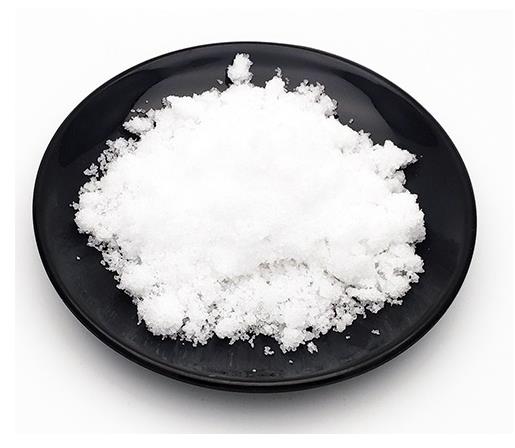
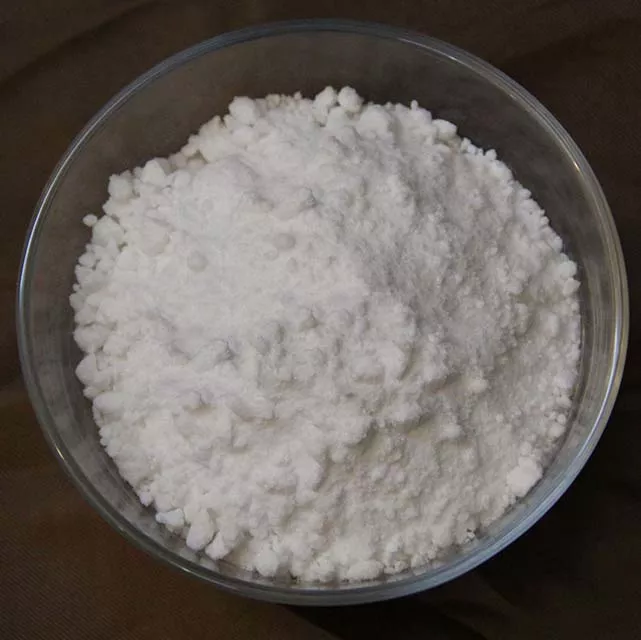
Physical characteristics: White to off-white crystalline powder; sublimes at ~317°C; particle size 20–200 µm (customizable); bulk density ~1.2–1.5 g/cm³
-
Hazard classification: Moisture-sensitive (reacts vigorously with water to release HCl); requires inert atmosphere handling
-
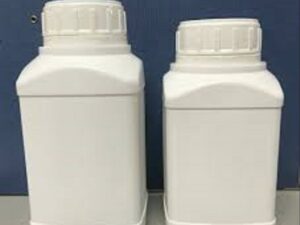
Packaging options: 1 kg, 5 kg, 25 kg hermetically sealed aluminum-lined bags or HDPE drums with desiccant; overpacked in steel drums for export
-
Shelf life: 12 months when stored below 25°C in sealed, dry, inert-gas-purged containers
3. Core Industrial Applications
-
Nuclear industry: Precursor for hafnium control rods and neutron absorbers – outperforms boron and cadmium due to higher melting point and irradiation stability.
-
Aerospace & defense: Production of hafnium-containing superalloys (e.g., C-103, T-111) for rocket thrusters and jet engine blades – reduces oxidation and creep at >1,800°C.
-
Semiconductor fabrication: CVD precursor for HfO₂ high-κ gate dielectrics in sub-7nm transistors – enables lower leakage current than SiO₂ or Al₂O₃.
-
Plasma cutting & welding: Hf cathode inserts in plasma torches – lasts 3–5× longer than tungsten under high-current arcs.
4. Competitive Advantages
-
Quality consistency: Lot-to-lot purity variance <0.02% via ICP-OES and XRD certification; full traceability from ore to finished chloride.
-
Supply reliability: Vertically integrated from zircon-hafnium separation; buffer stock maintained across three continents (Americas, Europe, Asia).
-
Logistics capability: Pre-weighed, nitrogen-flushed packaging with real-time moisture-indicator cards; dangerous goods (UN 3260, Class 8) shipping compliant with IATA/IMDG.
-
Price competitiveness: Long-term mining off-take agreements enable stable pricing ±5% quarterly vs spot market volatility of ±20%.
-
Technical support: Dedicated metallurgical engineers for CVD process optimization; SDS, CoA, and custom impurity profiles available within 24 hours.
5. Commercial & Supply Information
-
Minimum order quantity (MOQ): 20 kg (lab/R&D grade) | 500 kg (industrial grade) | 2 MT (nuclear grade)
-
BULK 20MT loading capacity: 20 MT per 20-ft container (palletized, 40 drums × 500 kg net each)
-
Standard lead time: 3–4 weeks for industrial grade; 6–8 weeks for nuclear-grade certification
-
Incoterms supported: EXW (Houston, Rotterdam, Shanghai), CIF, CFR, DDP by negotiation
Reviews
There are no reviews yet.