

Description
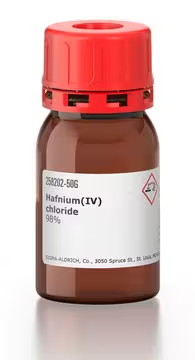
Hafnium tetrachloride (HfCl4)
Overview
Hafnium tetrachloride is a moisture-sensitive, relatively volatile hafnium halide that serves as a key precursor in the preparation of hafnium-containing compounds and materials. It is a strong Lewis acid and is widely used as a starting material for hafnium oxides, hafnium alkoxides, and for depositing hafnium-containing films.
Structure and preparation
- Structure: HfCl4 centers hafnium with four chloride ligands. In the solid state, metal halides of this type often exist as polymeric or dimeric networks, and they can form adducts with Lewis bases in solution.
- Preparation (general):
- Prepared by direct chlorination of hafnium metal at elevated temperature.
- It can also be prepared or obtained from hafnium compounds through chlorination steps under controlled conditions.
Physical and chemical properties (highlights)
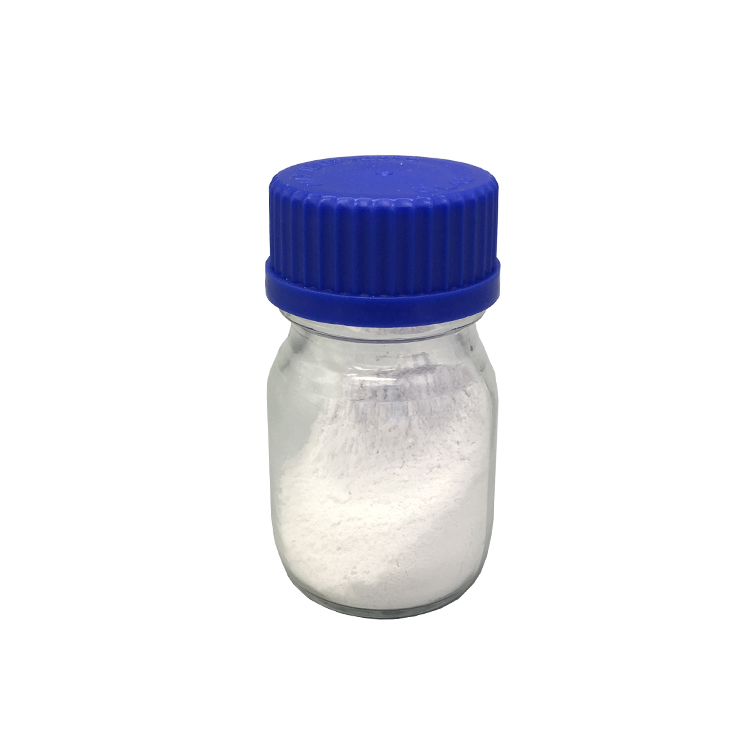
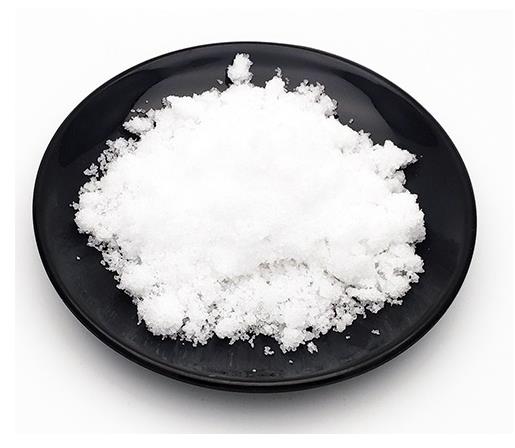
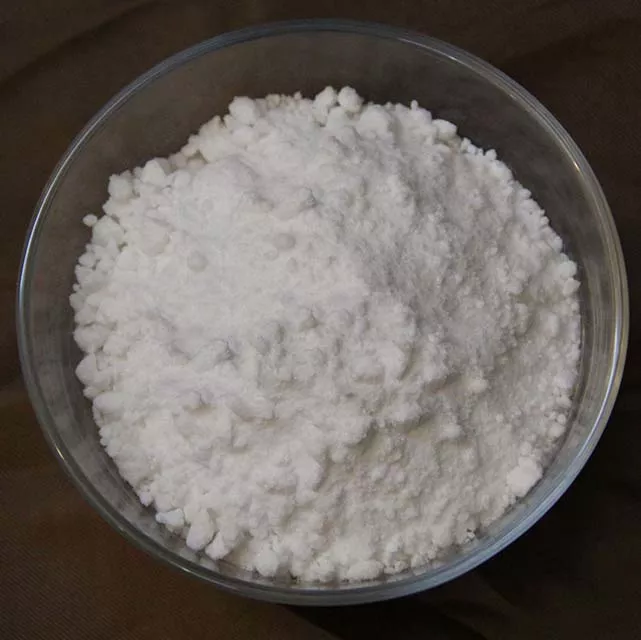
- Appearance: White crystalline solid (moisture sensitive).
- Molar mass: ~320.3 g/mol (Hf 178.49 + 4 × Cl 35.45).
- Reactivity:
- Hydrolysis in moisture: Reacts with water/vapor in the air to form hafnium oxychloride species and hydrochloric acid (HCl). This makes handling and storage under dry/inert conditions essential.
- Lewis acidity: Acts as a strong Lewis acid and forms adducts with donors such as ethers, thioethers, and amines.
Reactions and typical uses
- Hydrolysis: In the presence of moisture, HfCl4 hydrolyzes to oxychloride species and HCl. This behavior underpins the need for dry handling and storage.
- Adduct formation: Readily forms adducts with donors (e.g., ethers, thioethers), which can improve solubility in certain organic solvents.
- Common applications:
- Used as a hafnium source for synthesis of hafnium compounds (e.g., hafnium alkoxides, hafnium oxides).
- Precursor for chemical vapor deposition (CVD) and atomic layer deposition (ALD) to produce hafnium-containing films such as HfO2.
- Catalyst and reagent in inorganic and organometallic syntheses, often in conjunction with Lewis bases or coordinating solvents.
Safety and handling
- Hazards: Corrosive and moisture-sensitive. Hydrolysis releases HCl, which is corrosive and irritant.
- Storage: Should be stored under strictly anhydrous, inert conditions (e.g., in a glovebox or under dry nitrogen/argon) in compatible containers.
- Handling precautions: Use appropriate PPE (gloves, eye protection) and work in a well-ventilated area or fume hood. Keep moisture out of contact to prevent runaway hydrolysis.
Reviews
There are no reviews yet.