
Description
1. Product Overview
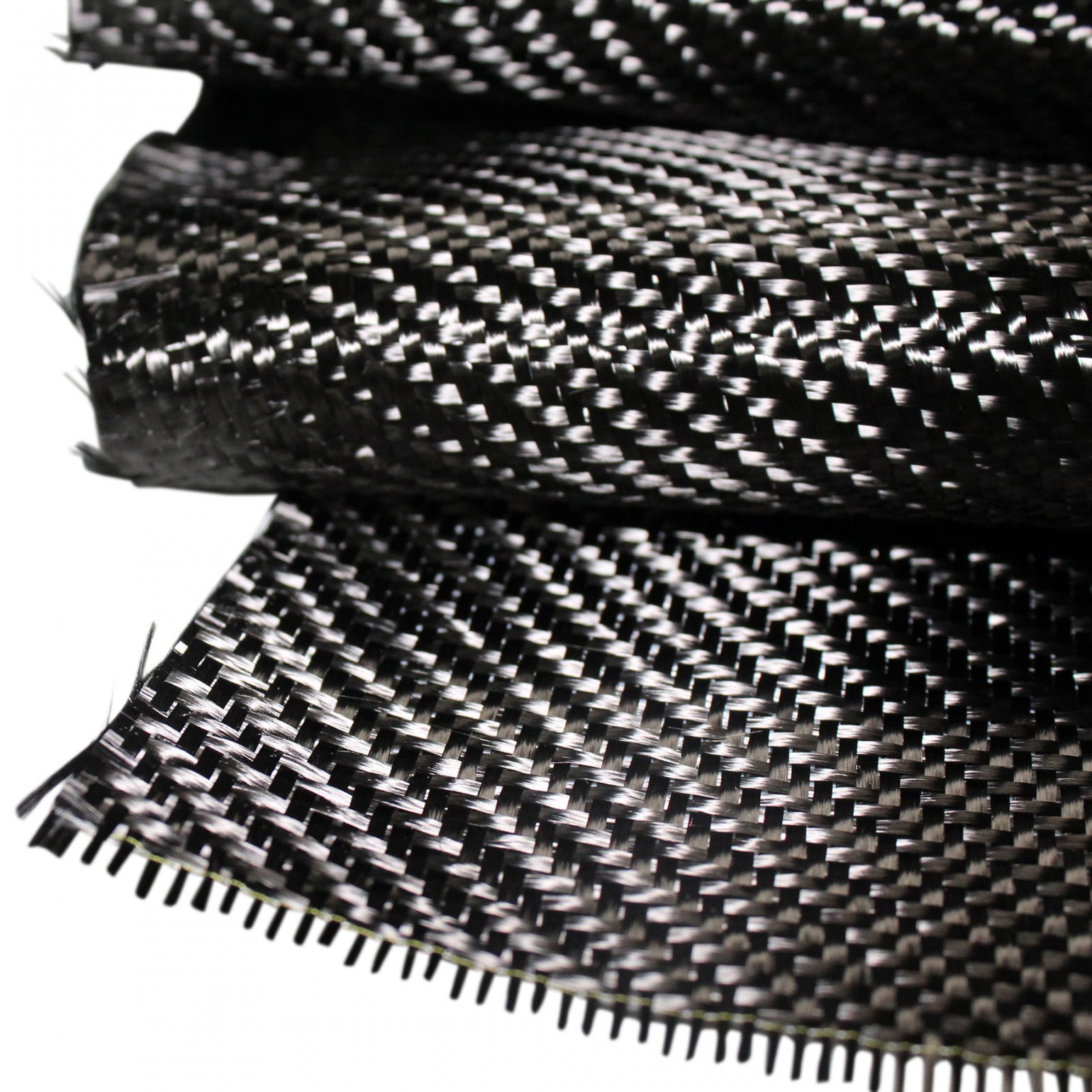
The Formula Racing Carbon Fiber Composite Fabric (F1CF-200) is a high-tensile, aerospace-grade unidirectional carbon fiber textile engineered specifically for extreme load-bearing applications in motorsport and high-performance automotive manufacturing. Its primary industrial use lies in the production of monocoque chassis, crash structures, and aerodynamic components where strength-to-weight ratio is mission-critical. The key value proposition is a 15% improvement in torsional rigidity per unit weight over standard T700 fabrics, enabling OEMs and Tier 1 suppliers to reduce vehicle mass without compromising FIA-sanctioned safety standards. Strategically, F1CF-200 addresses the industry’s dual imperative for lightweighting and impact resistance, positioning it as the baseline material for next-generation electric and hybrid racing platforms.
2. Key Specifications & Technical Characteristics
-
Chemical composition / material components: Toray T800S intermediate-modulus carbon fiber precursor; epoxy-compatible proprietary sizing (1.2% by weight)
-
Purity / grade: Aerospace-grade; zero foreign fiber contamination; ISO 1833 compliant
-
Physical characteristics:
-
Areal weight: 200 g/m² (± 3%)
-
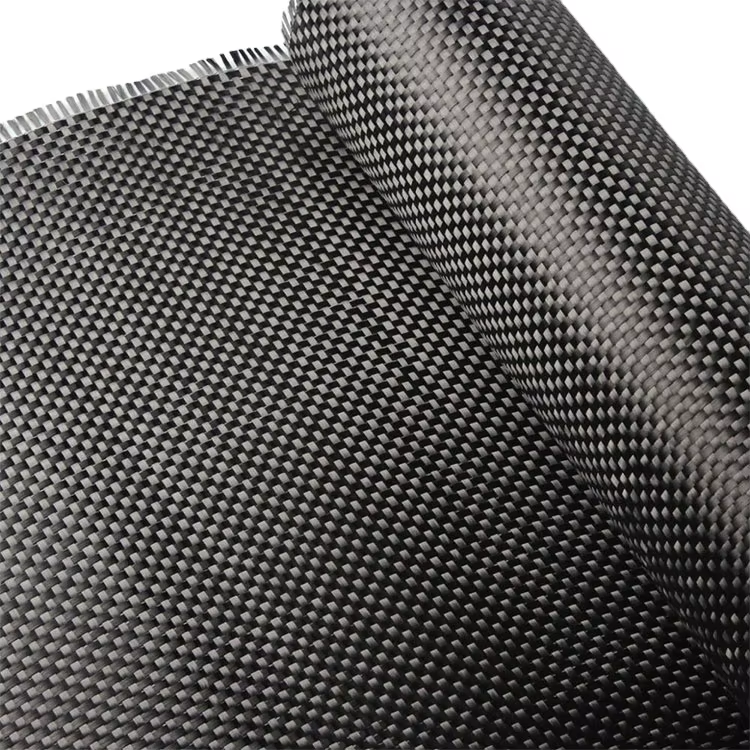
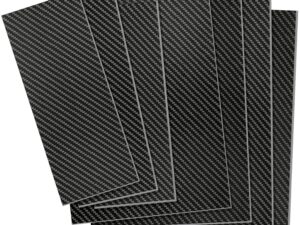
Weave pattern: 2×2 twill (optional: plain or unidirectional)
-
Fiber filament count: 12K
-
Thickness (nominal): 0.25 mm
-
Tensile strength: 5,700 MPa
-
Tensile modulus: 295 GPa
-
-
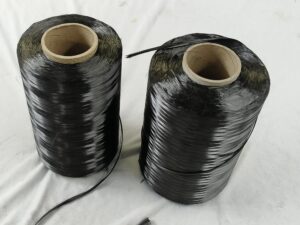
Form: Dry fabric roll; width options: 100 mm, 300 mm, 1,000 mm
-
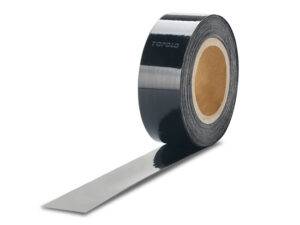
Color: Matte black with tracer thread for ply orientation (optional: silver tracer)
-
Packaging options: Vacuum-sealed anti-static poly bags + rigid cardboard core; industrial pallet (48 rolls/pallet)
-
Shelf life: 24 months from date of manufacture when stored at 20°C ± 5°C and 50% ± 10% RH
3. Core Industrial Applications
-
Primary industries: Formula racing (F1, IndyCar, Formula E), hypercar OEMs, aerospace secondary structures, professional drone racing frames
-
Specific operational use cases:
-
Monocoque chassis sidewalls – where impact energy absorption is critical
-
Front and rear crash boxes – replacing aluminum extrusions for weight reduction
-
Suspension pushrods and wishbones – requiring high stiffness under cyclic fatigue
-
-
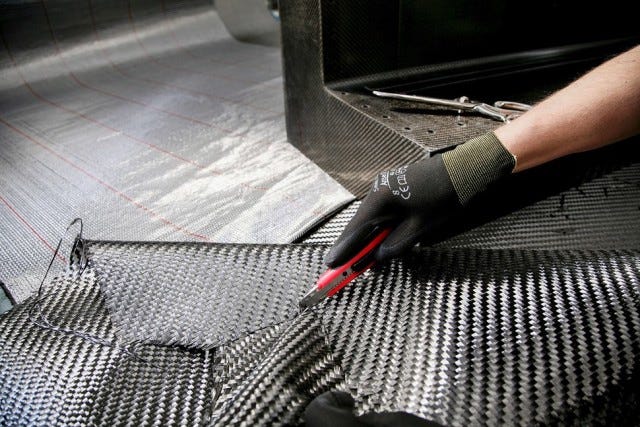
Performance vs. alternatives: Compared to standard T300 fabrics, F1CF-200 delivers 22% higher specific modulus, reducing layer count in critical laminates by up to 3 plies. Unlike prepreg systems, the dry fabric allows custom resin infusion (VARTM or HP-RTM), lowering processing costs by ~18% for medium-volume production (500–2,000 parts/year).
-
Efficiency / cost advantage: Lower porosity (≤1.2%) vs. competitive dry fabrics; consistent drape reduces manual layup time by 14% based on factory trials.
4. Competitive Advantages
-
Quality consistency: Cpk ≥ 1.33 for areal weight and tensile strength; each lot certified with EN 2563 and ASTM D3039 test reports
-
Supply reliability: Dedicated production line with 98.7% on-time-in-full (OTIF) performance over 18 consecutive months
-
Logistics capability: Buffer stock held in three regional hubs (EU, NA, APAC) reducing lead time to 5–7 working days for contract customers
-
Price competitiveness: Tier-1 pricing at Tier-2 cost structure – achieved through vertical integration from precursor to weaving
-
Sustainability / environmental benefits: 32% recycled content in packaging; fabric production uses hydroelectric power; fully REACH and RoHS compliant; supports end-of-life pyrolysis recovery of carbon fibers
-
Technical support: Full laminate design assistance via proprietary simulation plugin (Abaqus, Ansys); on-site process audits for HP-RTM line integration
5. Commercial & Supply Information
-
Minimum order quantity (MOQ): Bulk 20 metric tons (MT) per purchase order
-
Loading capacity (MT per container): 14 MT per 20-ft dry container (standard palletized configuration)
Reviews
There are no reviews yet.