
Description
Product Overview
CRISPR-optimized Xylanase enzyme complex is a precision-engineered enzymatic preparation designed to hydrolyze hemicellulosic xylan into xylo-oligosaccharides and fermentable sugars. Its primary industrial use is in biomass processing, pulp & paper bleaching, animal feed pre-treatment, and advanced bioconversion workflows. The key value proposition is markedly higher specific activity and substrate affinity versus conventional xylanases—delivering faster conversion rates, reduced enzyme dosing, and lower downstream processing costs. Beta‑glucosidase augmentation in the complex enhances final sugar yields and reduces inhibitory intermediate buildup, making the product strategically important for companies scaling bio-based production and optimizing process yields.
Key Specifications & Technical Characteristics
-
Active components: Proprietary CRISPR-optimized xylanase variants blended with complementary accessory enzymes (including beta‑glucosidase).
-
Enzyme activity: Specified in IU/g or U/g (custom activity ranges available on request; standard commercial grade provided at high-activity formulation).
-
Purity/grade: Industrial biotech enzyme grade; heavy-metal and microbial contaminant limits compliant with international industrial enzyme standards.
-
Form: Stable liquid concentrate or spray‑dried powder (customer-selectable).
-
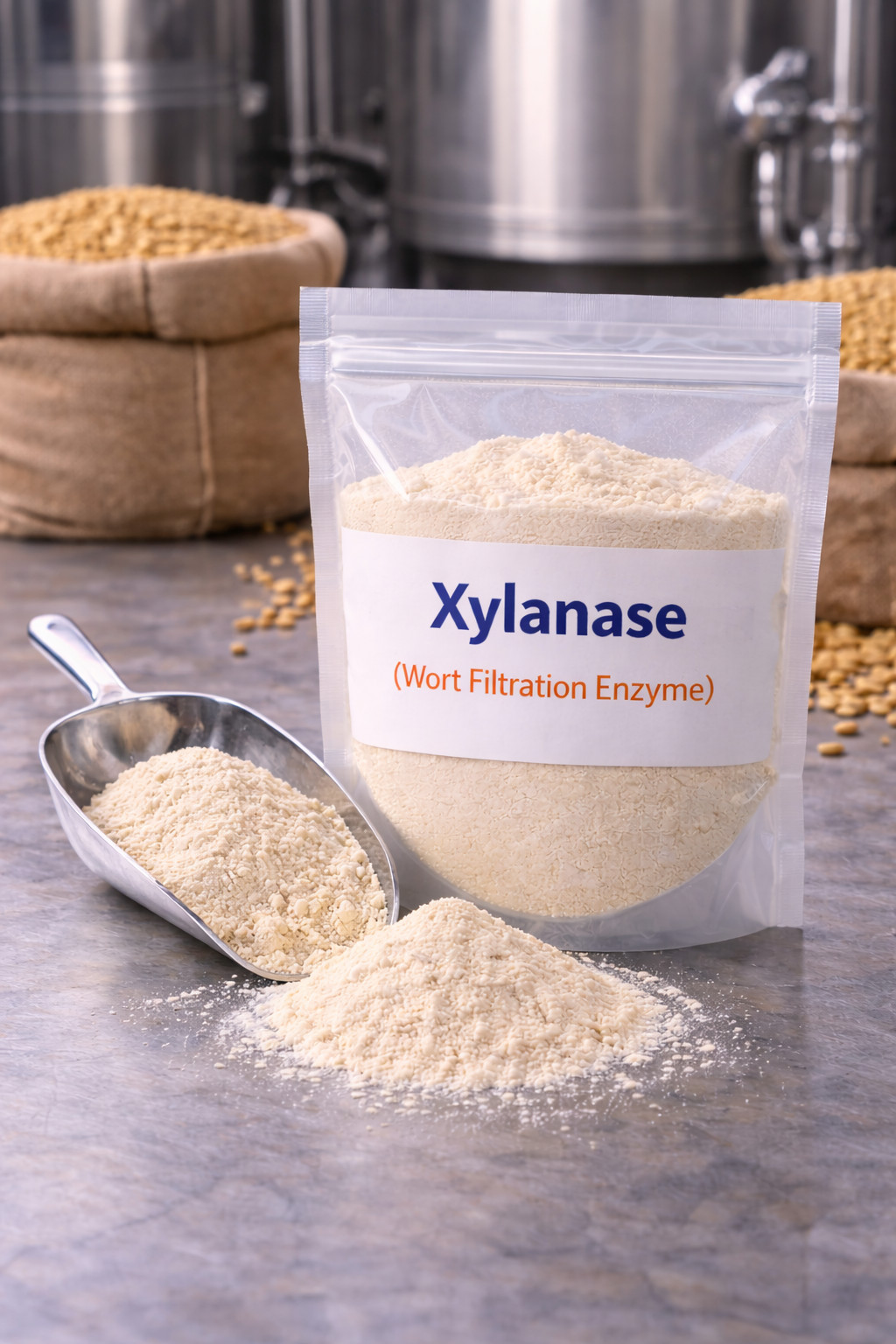
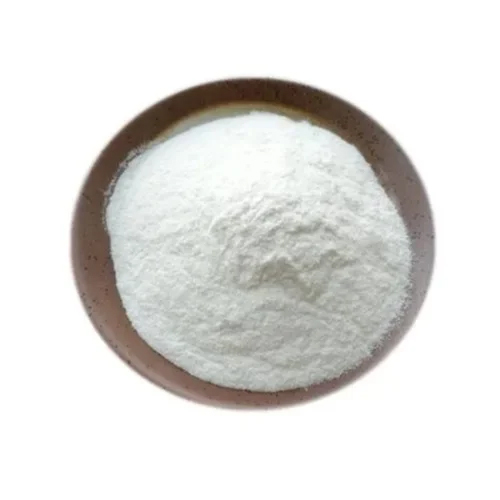
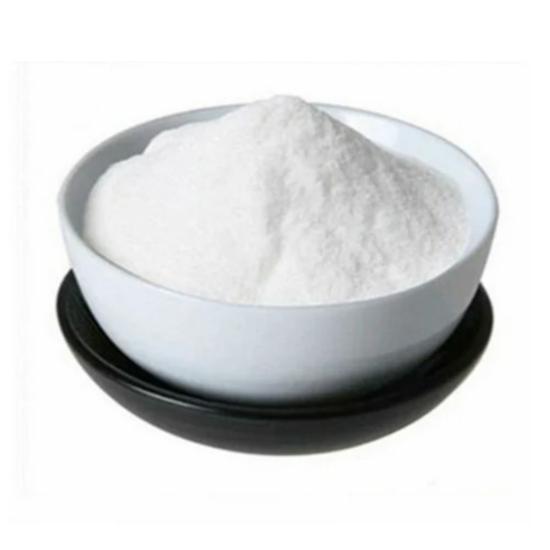
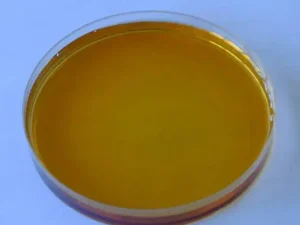
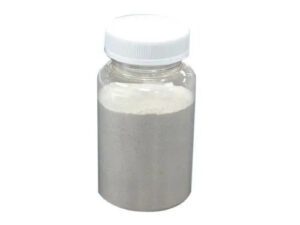
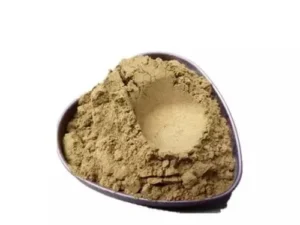
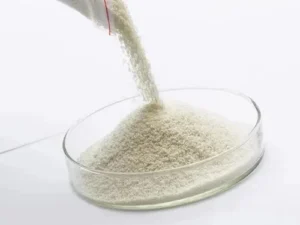
Color and appearance: Liquid—amber to light brown viscous solution; Powder—off‑white to light beige fine powder.
-
Particle characteristics (powder): Mean particle size range typically 20–120 µm; bulk density 0.45–0.65 g/cm³ (typical).
-
Solubility/stability: Fully water-dispersible; formulated for thermal and pH resilience across typical industrial process windows.
-
Operational pH range: Broad activity across pH 4.5–8.0 (application-dependent).
-
Operational temperature range: Active between 30–70°C with optimized thermostable variants for higher-temperature processes.
-
Packaging options:
-
25 kg kraft paper/poly-lined bags (powder)
-
20 kg, 200 kg drums (liquid)
-
IBC 1,000 L for bulk liquid supply
-
Customized ISO tank or bulk container loading for 20 MT+ orders
-
-
Shelf life: Powder—12–24 months when stored dry at 2–25°C; Liquid—6–12 months under refrigerated or controlled ambient conditions (storage recommendations provided).
-
Documentation included: Certificate of Analysis (CoA), Material Safety Data Sheet (MSDS), technical datasheet with dosing guides and handling instructions.
Core Industrial Applications
-
Pulp & Paper: Pre-bleaching and hemicellulose removal to reduce chemical oxygen demand (COD) and bleaching chemical use, improving fiber brightness and yield. Practical benefit: lowers chlorine/chlorine dioxide demand and reduces overall chemical costs and effluent load.
-
Biofuel & Biochemical Production: Hemicellulose saccharification in lignocellulosic biomass pretreatment to maximize xylose/xylo-oligosaccharide release for downstream fermentation, increasing overall sugar yields and ethanol/bioproduct titers. Practical benefit: higher conversion per tonne biomass, enabling lower feedstock and enzyme costs per unit product.
-
Animal Feed & Aquafeed: Pre-treatment of agricultural byproducts to improve digestibility and energy availability for monogastric and aquaculture species. Practical benefit: reduced feed formulation cost and improved feed conversion ratios.
-
Food Ingredient Manufacturing: Controlled hydrolysis to produce xylo-oligosaccharides (XOS) as prebiotic ingredients with consistent degree of polymerization. Practical benefit: reproducible product profiles and regulatory-compliant processing.
Why it outperforms alternatives: -
Enhanced catalytic efficiency from CRISPR-guided sequence optimization reduces required dosing and shortens processing times.
-
Beta‑glucosidase augmentation minimizes accumulation of inhibitory intermediates, improving overall saccharification yields.
-
Formulation stability and tailored thermostability provide consistent performance across diverse industrial process conditions, improving uptime and reducing enzyme replacement frequency.
Competitive Advantages
-
Quality consistency: Tight production controls and batch CoAs ensure reproducible specific activity and purity for scaled deployments.
-
Supply reliability: Dedicated production slots, multi-site manufacturing capability, and forward inventory planning minimize lead-time variability for industrial customers.
-
Logistics capability: Flexible packaging and container loading (including ISO tanks and IBCs) support efficient global shipping and on-site bulk handling; export documentation and customs support available.
-
Price competitiveness: High specific activity lowers effective cost-per-unit-conversion; volume-based pricing and multi-year contract discounts available for strategic buyers.
-
Sustainability benefits: Enables lower chemical use and reduced effluent load in pulp bleaching and lowers overall process energy and feedstock consumption in bioconversion pathways. Enzyme-based process intensification supports circular-economy goals.
-
Technical support: Application engineering support, on-site pilot trials, dosing and stability optimization, and full technical dossier including CoA, MSDS, and use-case dosing guides.
Commercial & Supply Information
-
Minimum order quantity (MOQ): BULK 20 MT.
-
Loading capacity (MT per container):
-
20 ft container (powder in 25 kg bags): up to ~18–20 MT depending on palletization.
-
40 ft container (powder in 25 kg bags): up to ~24–26 MT depending on palletization.
-
20 ft container (liquid drums/IBC): up to ~18–20 MT (liquid density dependent).
-
ISO tank/IBC options available for full 20 MT+ single-shipment loads.
-
Reviews
There are no reviews yet.